



EU REACH PFAS Silane Proposal Nears Final Hearing




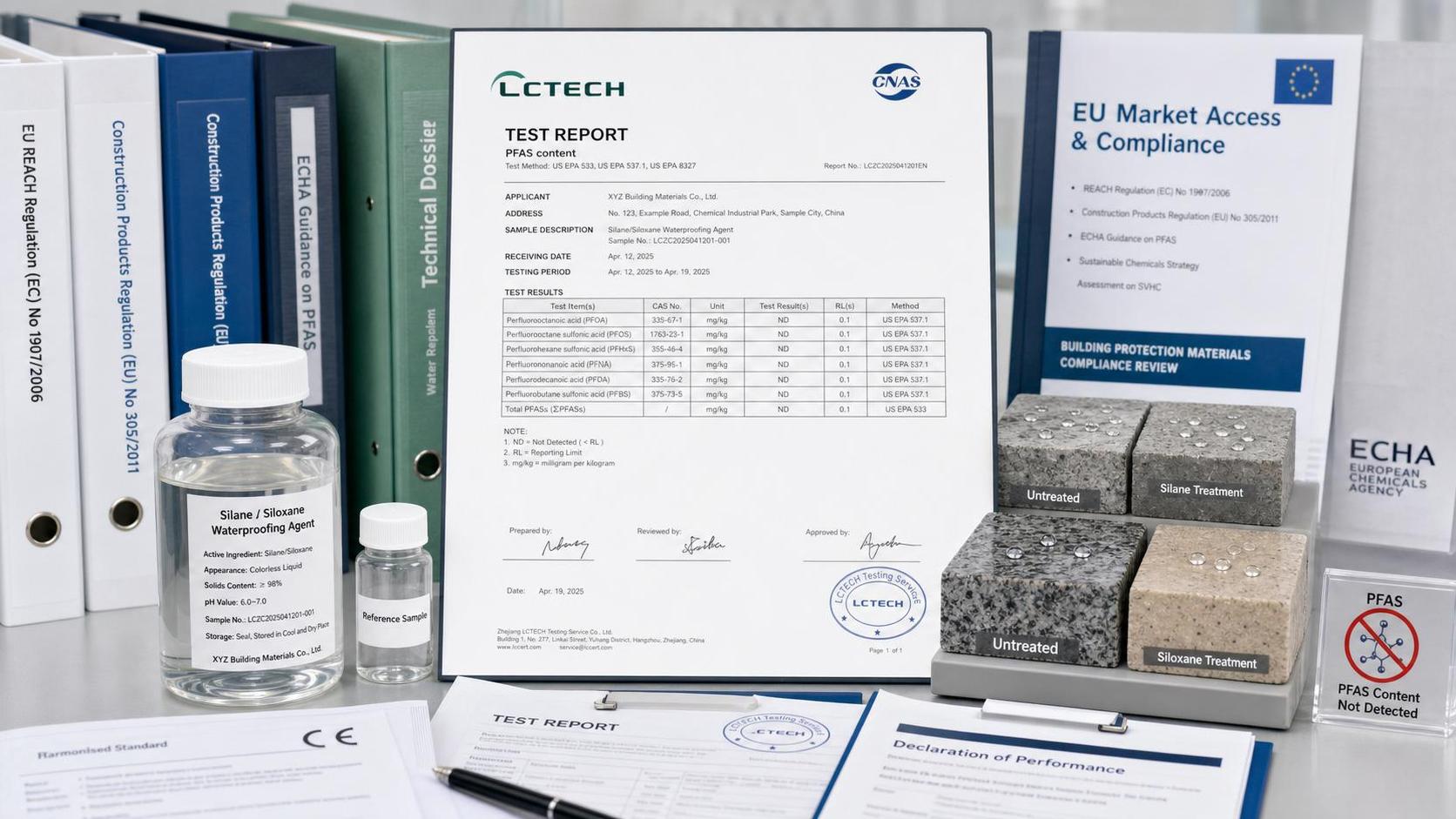
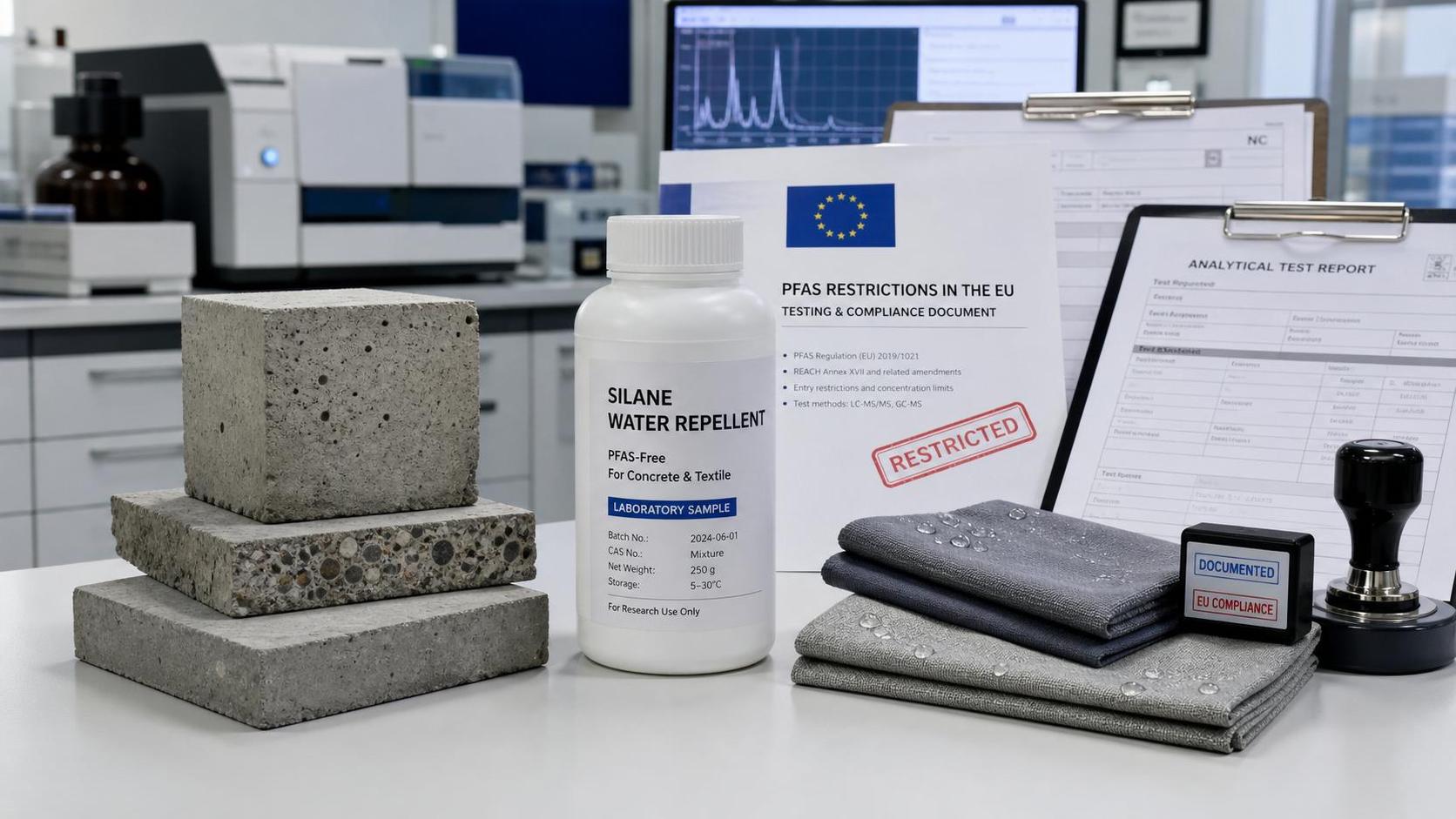
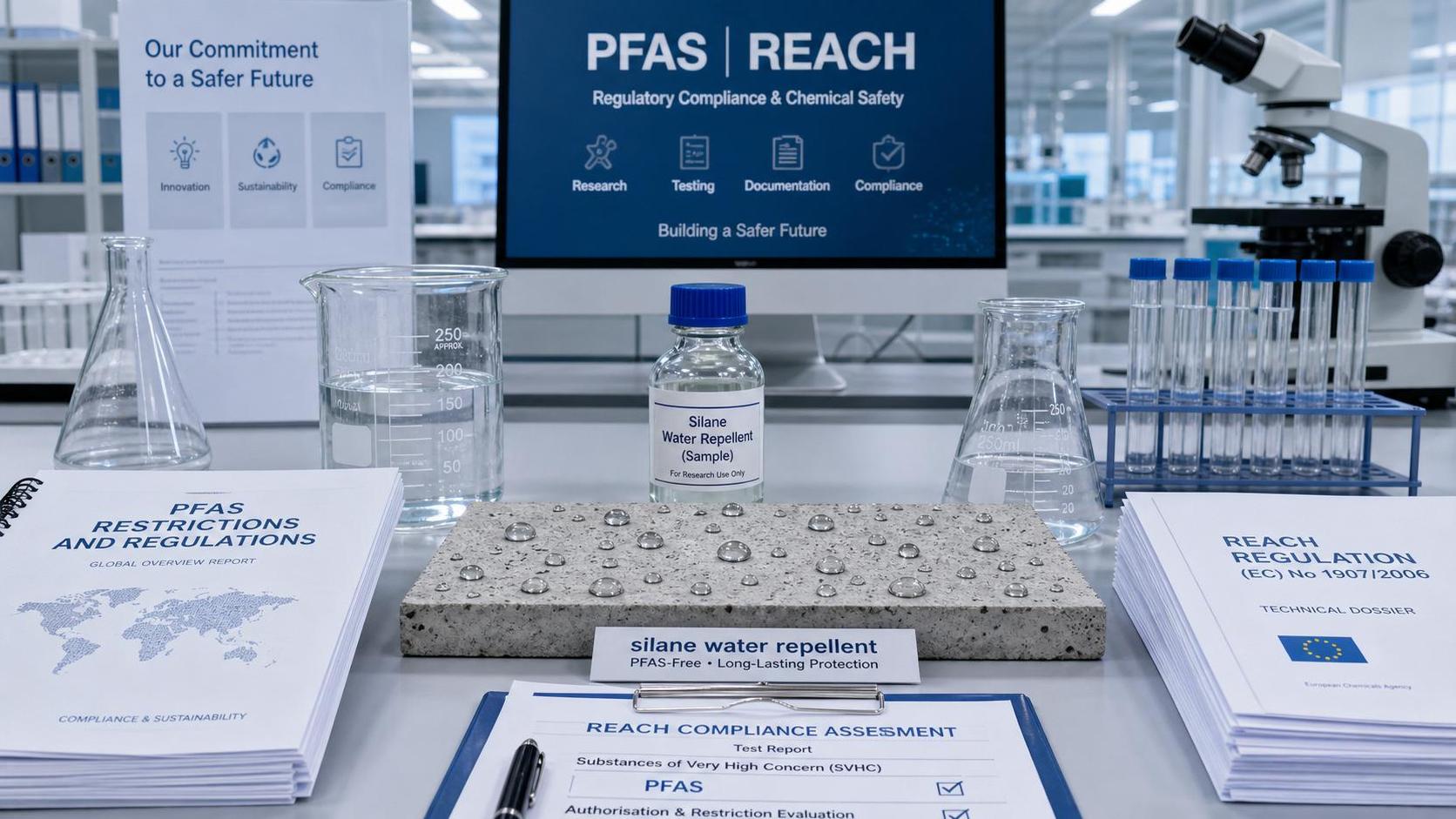
On July 2, 2026, the European Chemicals Agency (ECHA) announced that a REACH restriction proposal covering PFAS-containing silane water repellents has moved into the European Commission’s final hearing stage, with a legislative vote expected before September 2026. For exporters, formulators, downstream construction chemical users, and compliance teams, this matters because the proposal points to both a possible product-use ban in specific end applications and a tighter documentation burden across the supply chain.

What Has Been Confirmed So Far
According to the information provided, the proposal concerns silane water repellents containing per- and polyfluoroalkyl substances (PFAS) under REACH, identified as SVHC Candidate List Entry No. 267. ECHA stated on July 2, 2026 that the file has entered the European Commission’s final hearing procedure.
The proposal is expected to proceed to a legislative vote before September 2026. It would prohibit the use of PFAS-modified silanes in end products including building sealants and concrete protection agents. It would also require supply chain disclosure of substance concentrations for fluorocarbon chain lengths of C6 and above. For relevant Chinese silane exporters, the provided information states that SDS and UFI codes need to be updated in parallel.
Where the Business Impact May Appear First
Pressure on export-facing silane suppliers
From an industry perspective, suppliers shipping silane-based water repellents into the EU may be affected first because the proposal directly targets PFAS-modified silane use and adds a concentration declaration requirement tied to C6 and above fluorocarbon chains. The operational impact would likely show up in product screening, technical file review, and customer-facing compliance communication.
Stronger demands on downstream formulators
Manufacturers of construction sealants, concrete protection products, and related formulations may need to pay closer attention because the proposed restriction is framed around end-product use. Analysis shows that this creates a practical issue for formulation teams and regulatory staff: they need clarity not only on raw material composition, but also on whether existing product lines fall within the applications named in the proposal.
More documentation work across the supply chain
Supply chain service providers, importers, and procurement teams may also face added workload. What deserves closer attention is the declaration requirement itself, because it introduces a documentation checkpoint that can affect supplier qualification, product onboarding, and shipment readiness. Even before any final vote, requests for composition confirmation and updated safety documents may increase.
What Companies Should Watch Before the Vote
Track the final wording, not just the headline
Analysis shows that the current development should not be read only as a broad PFAS policy signal. The practical effect for business will depend on the final legislative wording, especially how the covered product scope and disclosure obligations are expressed in the adopted text.
Review products linked to named end uses
Companies connected to building sealants and concrete protection agents have a more immediate reason to review portfolios, order pipelines, and customer specifications. Observably, the key issue is whether PFAS-modified silanes are present in products already positioned for those applications.
Prepare SDS and UFI updates early
For Chinese silane exporters specifically, the need to update SDS and UFI codes is already identified in the provided information. In practical terms, this makes document control, version management, and customer notification a near-term compliance task rather than a later administrative step.
Clarify supplier declarations on C6 and above
What deserves closer attention is the concentration declaration requirement for fluorocarbon chain lengths of C6 and above. Companies relying on external suppliers may need to verify whether current declarations are sufficient, whether additional supporting statements are needed, and whether any gaps could slow sales or delivery into EU-facing channels.
Why This Is More Than a Routine Procedural Update
Observably, this is not yet the final legal outcome, but it is no longer an early-stage policy discussion either. The move into the European Commission’s final hearing stage indicates that the issue has advanced to a point where regulatory timing, document readiness, and application-specific exposure all become commercially relevant. It is more appropriate to understand this as a late-stage regulatory signal that still requires close observation until the vote is completed.
How the Market Should Read This Stage
From an industry perspective, the update should be read in two layers. First, there is a short-term compliance signal: affected companies need to examine formulations, declarations, SDS records, and UFI-related documentation. Second, there is a continuing policy signal: businesses should avoid treating the matter as fully settled before the expected vote before September 2026. The current stage is best understood as actionable but not yet final.
Basis of This Article and Follow-up Focus
This article is based on the user-provided news title, event date, and event summary. For developments of this type, relevant source categories typically include official regulatory announcements, company disclosures, industry association updates, authoritative media coverage, and standards-related documents. A specific official source link was not provided in the input, so further verification remains necessary. The main follow-up points are the final legislative vote before September 2026, any change in the proposal’s wording, and how the final text defines product scope, disclosure obligations, and documentation requirements.
Related News
- Choosing a Silane Masonry Water Repellent for Brick, Stone, and Concrete FacadesAuthor :Structural Durability Strategist

- Concrete Infrastructure Coating Maintenance: How to Prevent Water Ingress and Rebar CorrosionAuthor :Structural Durability Strategist

- EU REACH Adds PFAS Silane Water Repellent BanAuthor :Structural Durability Strategist

- EU Restricts PFAS Silane Water Repellents From Oct. 2026Author :Structural Durability Strategist

- EU REACH Adds PFAS Silane Repellent Ban From Oct 2026Author :Structural Durability Strategist

- EU Restricts PFAS Silane Water Repellents From Oct. 2026Author :Structural Durability Strategist

- EU REACH Adds PFAS Restriction for Silane Water RepellentsAuthor :Structural Durability Strategist

- EU REACH Adds PFAS Silane Restriction From Oct. 2026Author :Structural Durability Strategist

- EU Bans PFAS Silane Water Repellents From Oct. 2026Author :Structural Durability Strategist
![]()
- EU REACH Adds PFAS Silane Ban From October 2026Author :Structural Durability Strategist

- EU REACH Restricts PFAS Silane Water RepellentsAuthor :Structural Durability Strategist

- EU REACH Adds PFAS Ban for Silane Water RepellentsAuthor :Structural Durability Strategist

- EU REACH PFAS Silane Proposal Nears Final HearingAuthor :Structural Durability Strategist

- EU REACH PFAS Silane Proposal Nears Final VoteAuthor :Structural Durability Strategist

- ECHA Opens PFAS Silane Coating ConsultationAuthor :Structural Durability Strategist

- EU Draft REACH Curbs PFAS Silane RepellentsAuthor :Structural Durability Strategist