



EU REACH PFAS Silane Proposal Nears Final Vote




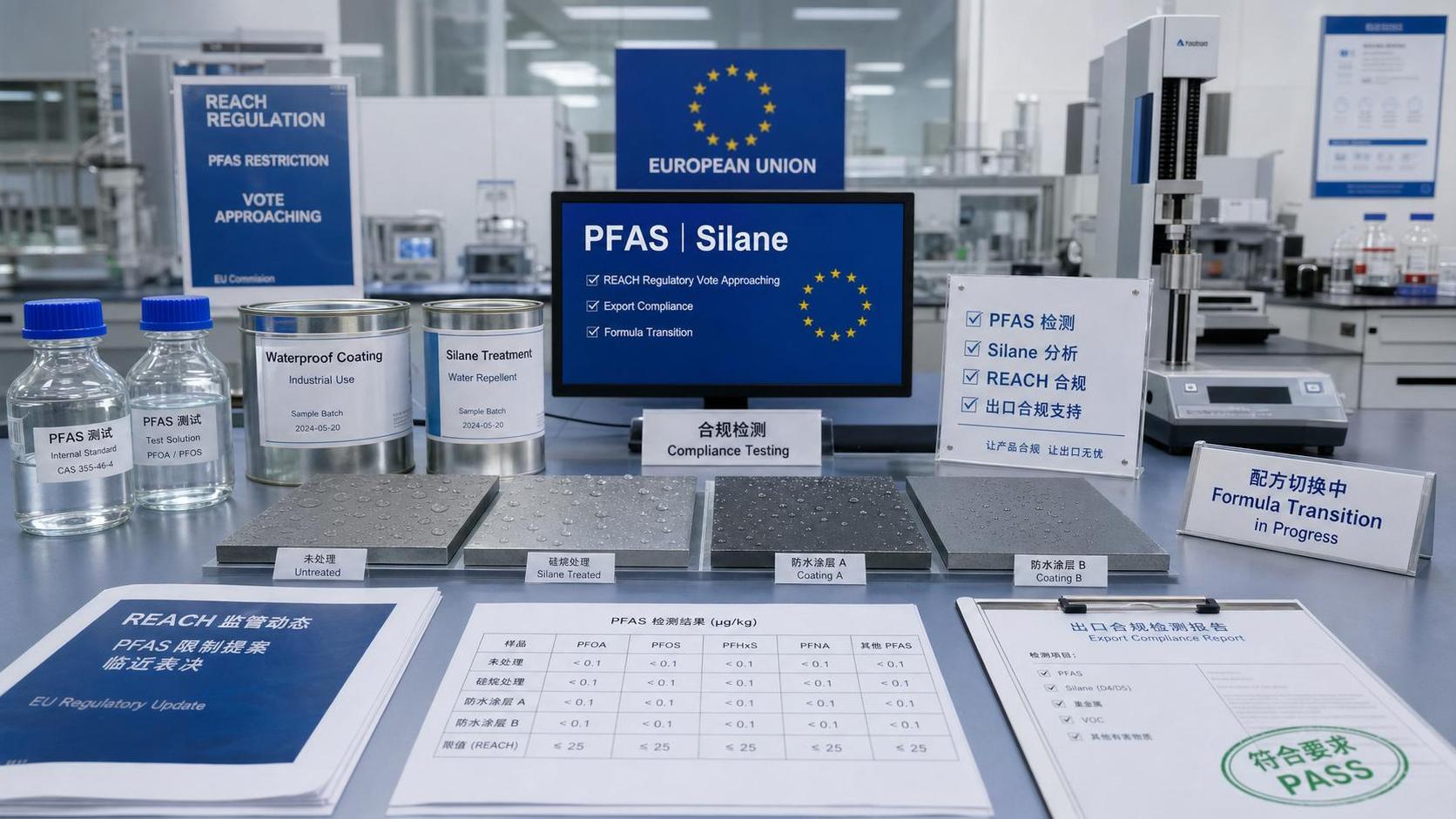
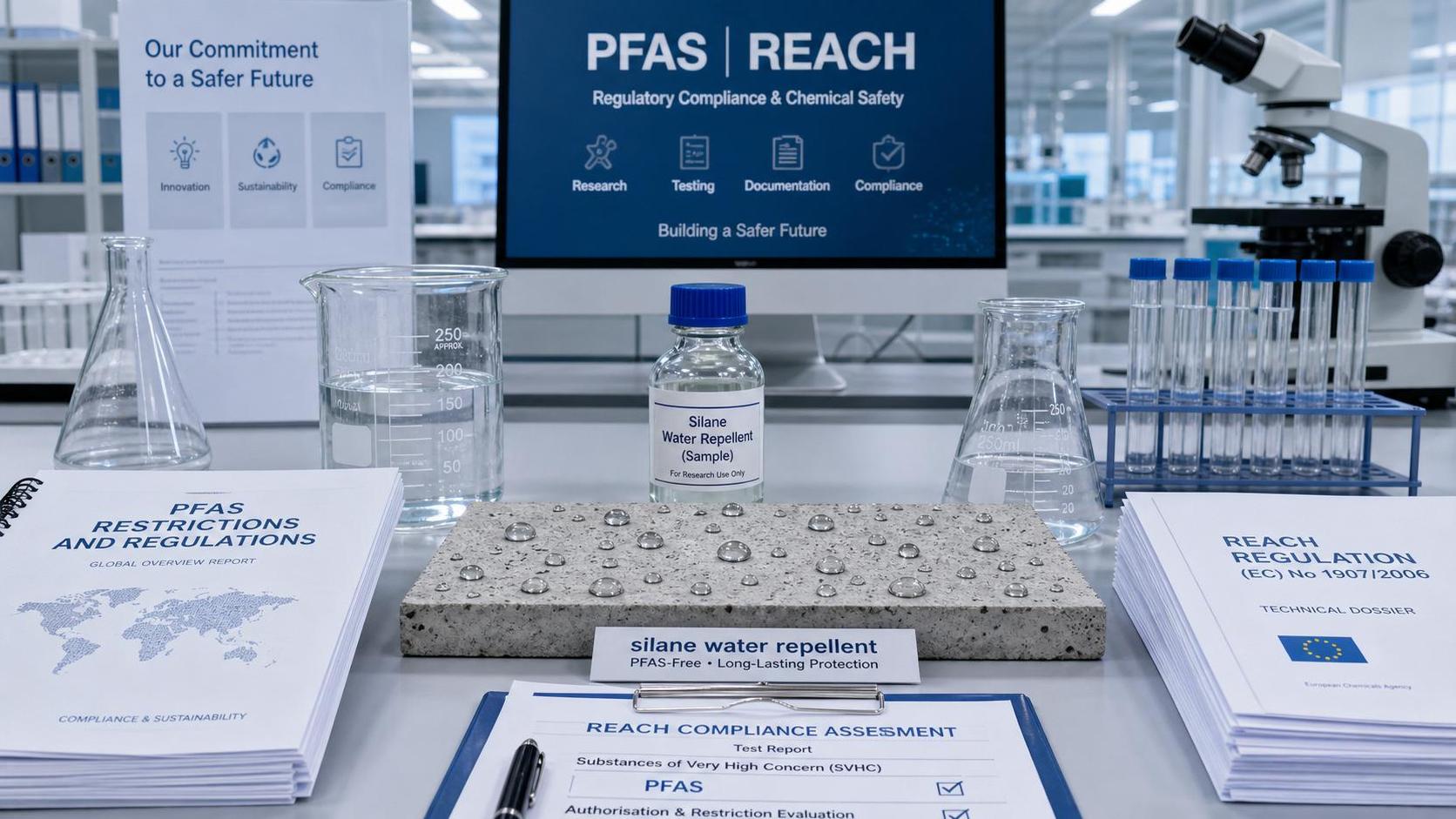
On July 1, 2026, ECHA said the REACH restriction proposal for PFAS-based silane water repellents had cleared final review by the scientific committees and would move to member state voting in September 2026. For companies supplying waterproof coatings and water-based hydrophobic treatment agents into the EU market, this is not just a regulatory update but a practical signal that product composition, export planning, procurement choices, and compliance documentation may soon need adjustment before any 2027 Q4 market prohibition takes effect.
The proposal has moved from review toward a decision point
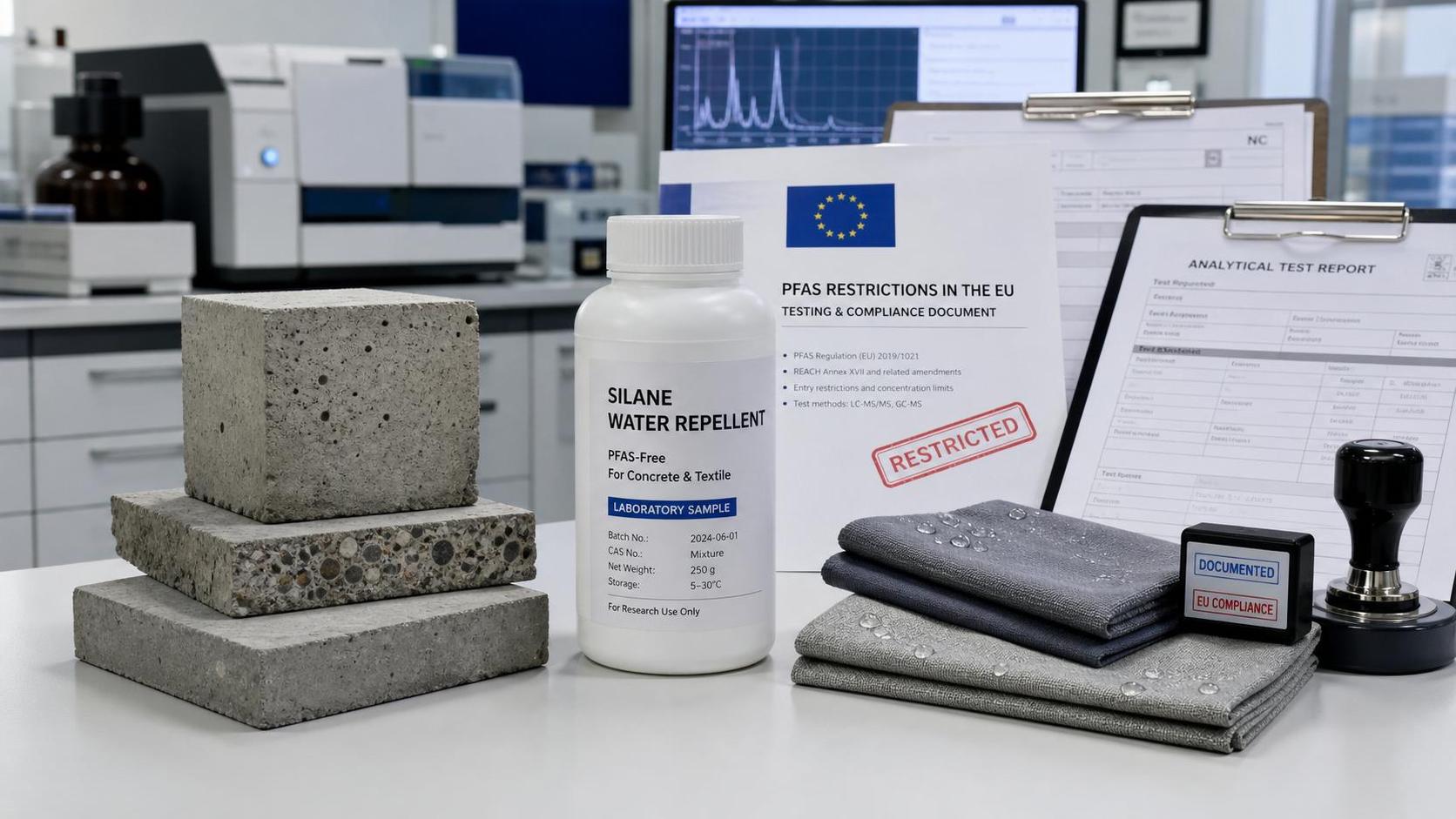
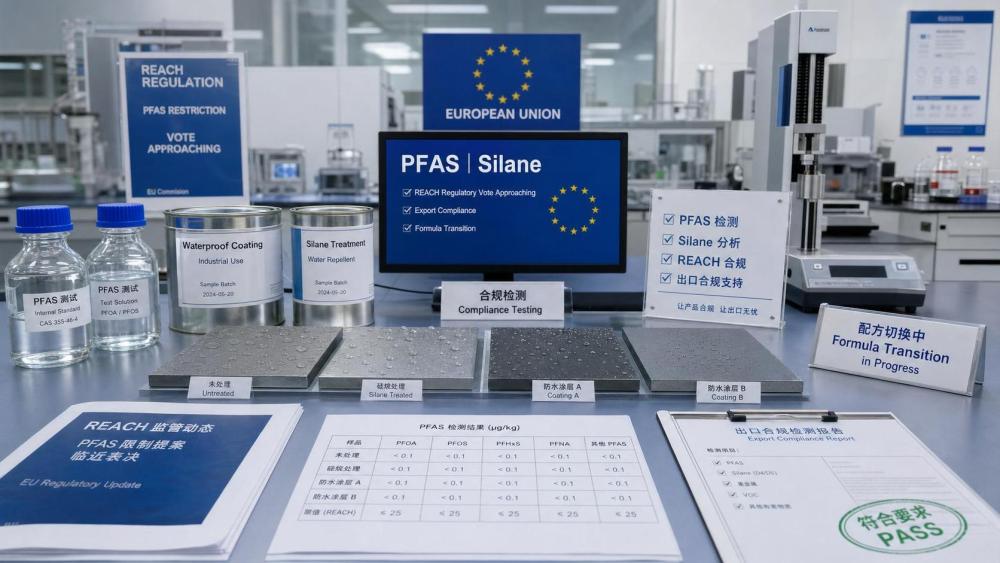
ECHA announced on July 1, 2026 that the REACH restriction proposal, framed as an Annex XVII amendment, covers PFAS-based silane water repellents including silanes modified with fluoropropyl and perfluorobutyl groups.
According to the announced update, the proposal has passed final scientific committee review and member state voting is scheduled to begin in September 2026.
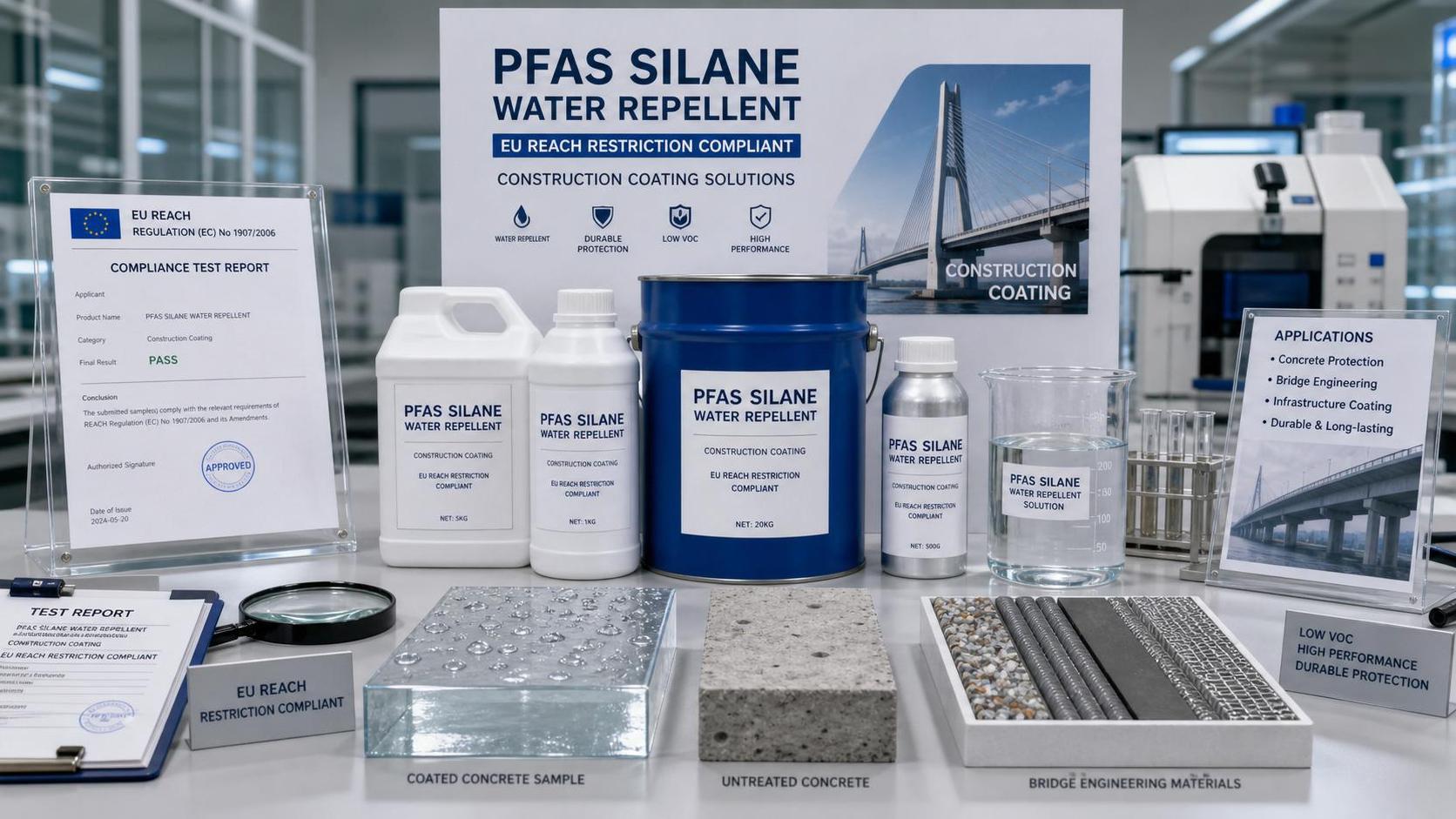
The announced consequence, if the proposal is approved, is that PFAS-containing silane waterproof coating products would no longer be allowed to be placed on the EU market from Q4 2027. The same summary indicates that exporters of water-based hydrophobic treatment agents would need to shift to non-PFAS silanes or FEVE-based alternatives.
Where the pressure is likely to appear first
Export product suppliers may face a formulation transition window
From an industry perspective, exporters selling waterproof coating products or water-based hydrophobic treatment agents into the EU are the first group likely to feel the effect. The reason is direct: the reported proposal is tied to market placement in the EU, so product eligibility, formulation review, and shipment planning could become immediate business issues if the vote goes through. What deserves closer attention is whether current export SKUs, technical descriptions, and product declarations still align with future market access requirements.
Procurement teams may need to reassess raw material pathways
Analysis shows that procurement functions could be affected even before any formal ban date arrives. If companies expect a switch away from PFAS silanes toward non-PFAS silanes or FEVE-based alternatives, the purchasing side will need to review material selection, supplier communication, and substitution readiness. The main impact would likely appear in sourcing decisions, material approval workflows, and the consistency of supporting technical files used in customer qualification or project supply.
Manufacturing and delivery planning may be exposed to timing risk
Manufacturers serving EU-bound orders may need to separate current production from future-compliant production planning. Observably, the issue is not only chemistry but also delivery timing: products prepared for the EU market close to a rule change can create uncertainty around sell-through, shipment scheduling, and customer acceptance. This makes batch traceability, formulation records, and contract-related product descriptions more important in the lead-up to any implementation date.
Testing, documentation, and customer-facing compliance work may expand
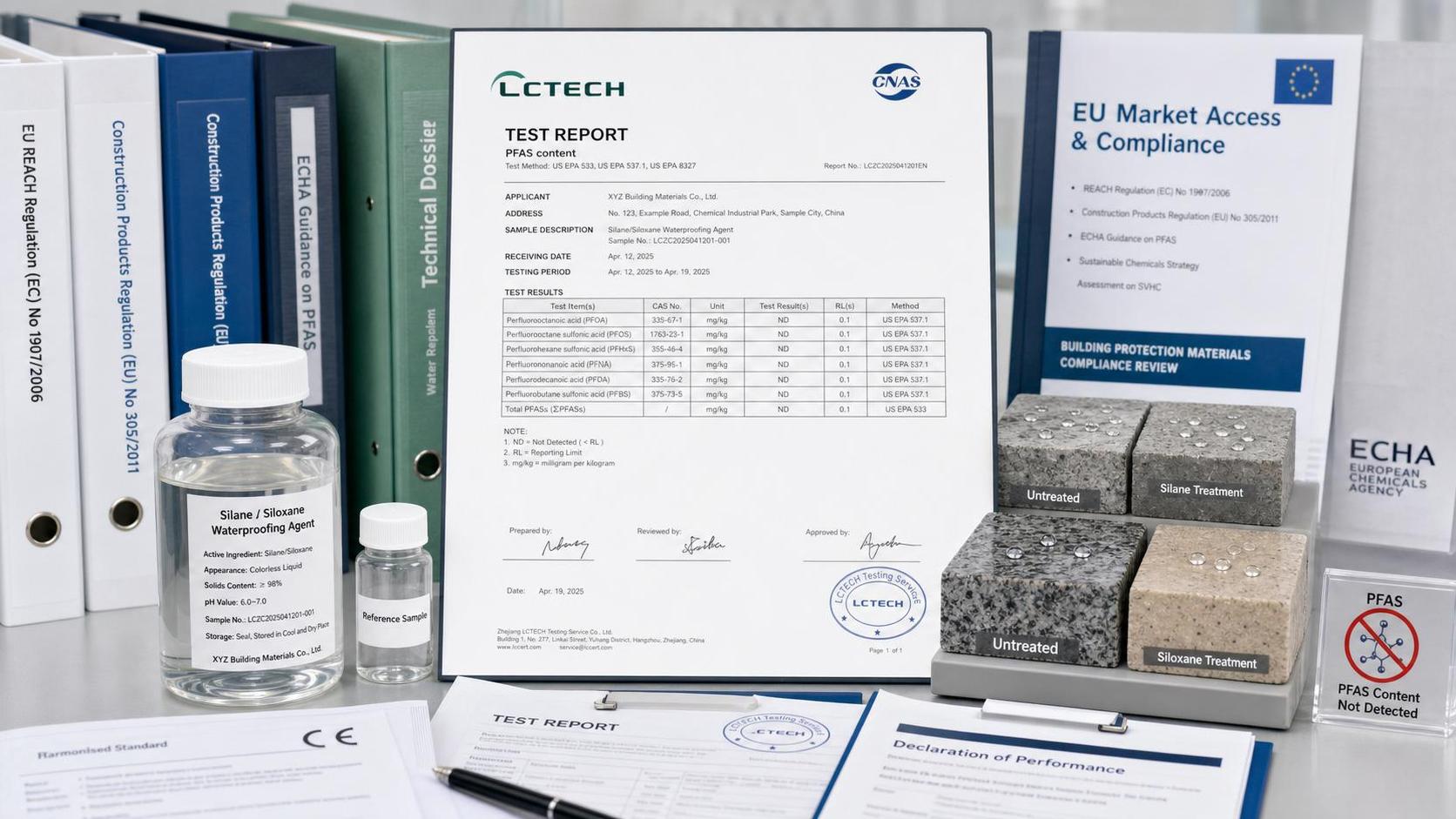
For testing service providers, compliance teams, and commercial channels, the likely pressure point is documentation quality. Analysis shows that customers, distributors, and downstream buyers may ask more detailed questions about whether a coating or treatment agent contains the PFAS-related silane types covered by the proposal. That can affect test report requests, technical data packages, declarations for tenders or procurement files, and after-sales handling where product composition needs to be confirmed.
What companies should monitor now
Track the September 2026 voting outcome without treating it as final in advance
It is more appropriate to understand the current development as a late-stage regulatory signal rather than a completed market rule. Companies should therefore prepare internally, but avoid treating the restriction as already in force before the member state vote is completed. The immediate task is to follow the official wording and outcome of the next procedural step.
Review which EU-bound products rely on covered PFAS silane chemistry
Analysis shows that a practical first move is product mapping. Businesses should identify which waterproof coatings and water-based hydrophobic treatment agents sold to the EU rely on the fluorinated silane modifications named in the event summary. This review matters for formulation continuity, customer communication, and the timing of any switch to non-PFAS silanes or FEVE-based options.
Check whether technical and trade documents can support a transition
What deserves closer attention is the document layer around the product. Technical files, test materials, declarations, tender submissions, product specifications, and sales descriptions may all need to stay aligned with any future compliance position. Where substitution is being considered, companies should also watch whether internal and customer-facing records clearly distinguish current products from replacement systems.
Watch procurement and delivery commitments tied to the EU market
Observably, the commercial risk may emerge before enforcement if supply contracts, customer approvals, or procurement schedules assume product continuity that later becomes difficult to maintain. For that reason, businesses should monitor how upcoming orders, long-cycle deliveries, and supplier qualifications connect to EU-bound formulations, especially where changes in raw materials could affect lead times or acceptance requirements.
Why this matters more as a signal than as a finished rule
Analysis shows that this development should be read as an advanced regulatory signal with direct commercial implications, but not yet as a completed and fully executed restriction. The proposal has passed a major review stage and now sits close to a political decision point through member state voting. That combination is important because companies often have to adjust sourcing, product files, and customer communication before a formal restriction date arrives.
From an industry perspective, the key reason to keep watching is that market practice often changes through tender language, buyer screening, and compliance checks before a legal deadline fully arrives. Even without adding assumptions beyond the provided summary, it is reasonable to expect attention to shift toward official wording, scope interpretation, and how consistently buyers and suppliers begin to apply the expected transition away from PFAS-containing silane systems.
How the market should read the current stage
At this stage, the reported development is best understood as a near-term compliance warning for EU-facing waterproof coating and hydrophobic treatment businesses. It does not yet confirm the final legal outcome, but it does narrow the room for inaction because the next decision step and the possible Q4 2027 prohibition timeline are already visible in the announced process. A neutral reading is that companies with EU exposure should treat this as a preparation phase centered on formulation review, supply chain readiness, and document control rather than waiting for downstream disruption to force reactive changes.
Basis of this article and points still requiring verification
This article is based on the user-provided news title, event date, and event summary. The available input states that ECHA announced on July 1, 2026 that the REACH Annex XVII restriction proposal for PFAS-based silane water repellents had passed final scientific committee review, would move to member state voting in September 2026, and, if approved, would prohibit placement on the EU market of PFAS-containing silane waterproof coating products from Q4 2027 while prompting exporters of water-based hydrophobic treatment agents to move to non-PFAS silanes or FEVE-based alternatives.
For events of this type, relevant source categories typically include official regulator notices, trade or customs authority releases, industry association updates, standards-related documents, and reporting by established sector media. A specific official source link was not provided in the input, so the exact source text still needs ongoing verification. What also remains to be watched is any later official wording, implementation interpretation, certification or compliance practice, tender document changes, industry feedback, and how affected companies execute product substitution in response.
Related News
- Choosing a Silane Masonry Water Repellent for Brick, Stone, and Concrete FacadesAuthor :Structural Durability Strategist

- Concrete Infrastructure Coating Maintenance: How to Prevent Water Ingress and Rebar CorrosionAuthor :Structural Durability Strategist

- EU REACH Adds PFAS Silane Water Repellent BanAuthor :Structural Durability Strategist

- EU Restricts PFAS Silane Water Repellents From Oct. 2026Author :Structural Durability Strategist

- EU REACH Adds PFAS Silane Repellent Ban From Oct 2026Author :Structural Durability Strategist

- EU Restricts PFAS Silane Water Repellents From Oct. 2026Author :Structural Durability Strategist

- EU REACH Adds PFAS Restriction for Silane Water RepellentsAuthor :Structural Durability Strategist

- EU REACH Adds PFAS Silane Restriction From Oct. 2026Author :Structural Durability Strategist

- EU Bans PFAS Silane Water Repellents From Oct. 2026Author :Structural Durability Strategist
![]()
- EU REACH Adds PFAS Silane Ban From October 2026Author :Structural Durability Strategist

- EU REACH Restricts PFAS Silane Water RepellentsAuthor :Structural Durability Strategist

- EU REACH Adds PFAS Ban for Silane Water RepellentsAuthor :Structural Durability Strategist

- EU REACH PFAS Silane Proposal Nears Final HearingAuthor :Structural Durability Strategist

- EU REACH PFAS Silane Proposal Nears Final VoteAuthor :Structural Durability Strategist

- ECHA Opens PFAS Silane Coating ConsultationAuthor :Structural Durability Strategist

- EU Draft REACH Curbs PFAS Silane RepellentsAuthor :Structural Durability Strategist