



EU Draft REACH Curbs PFAS Silane Repellents




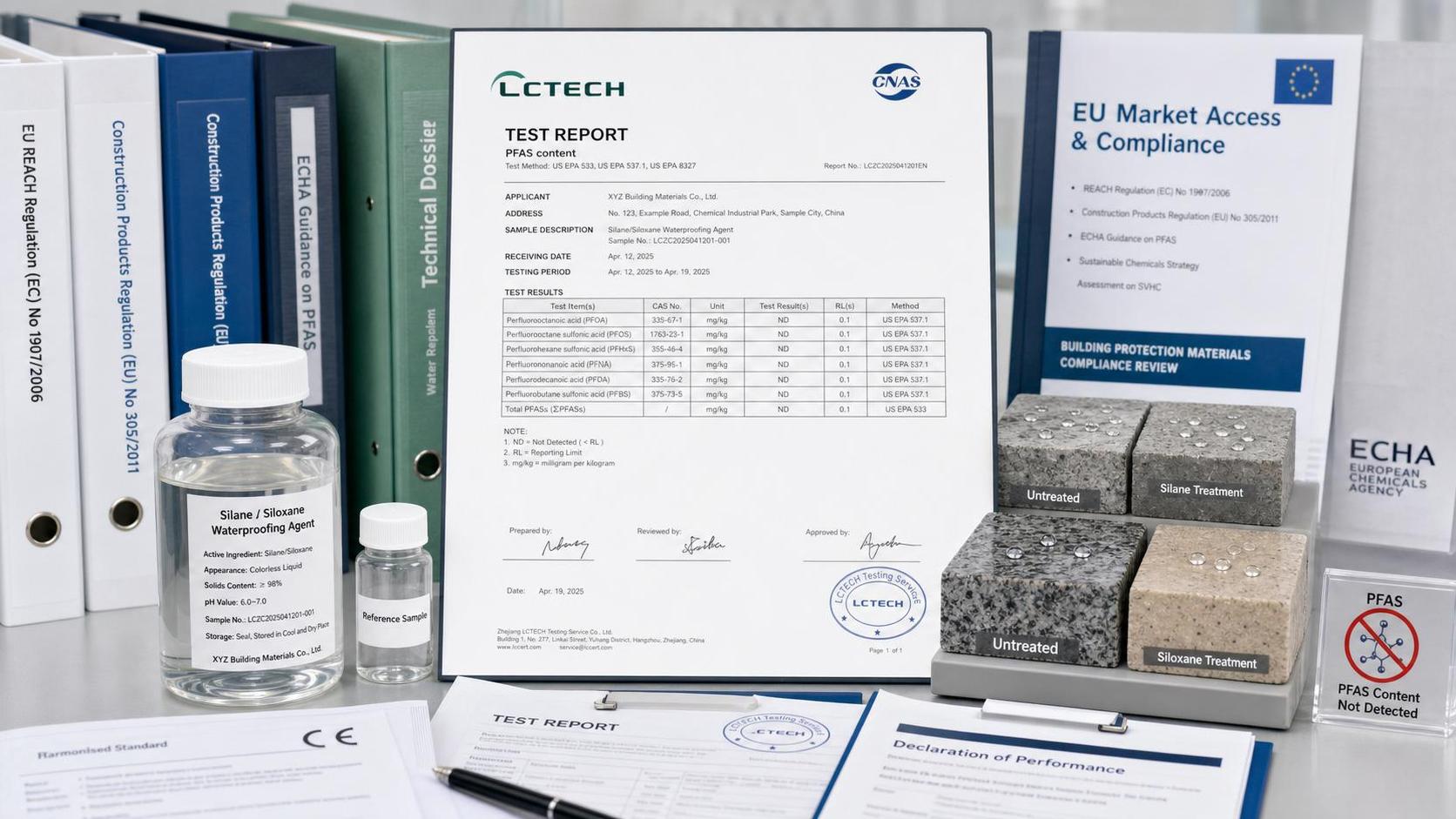
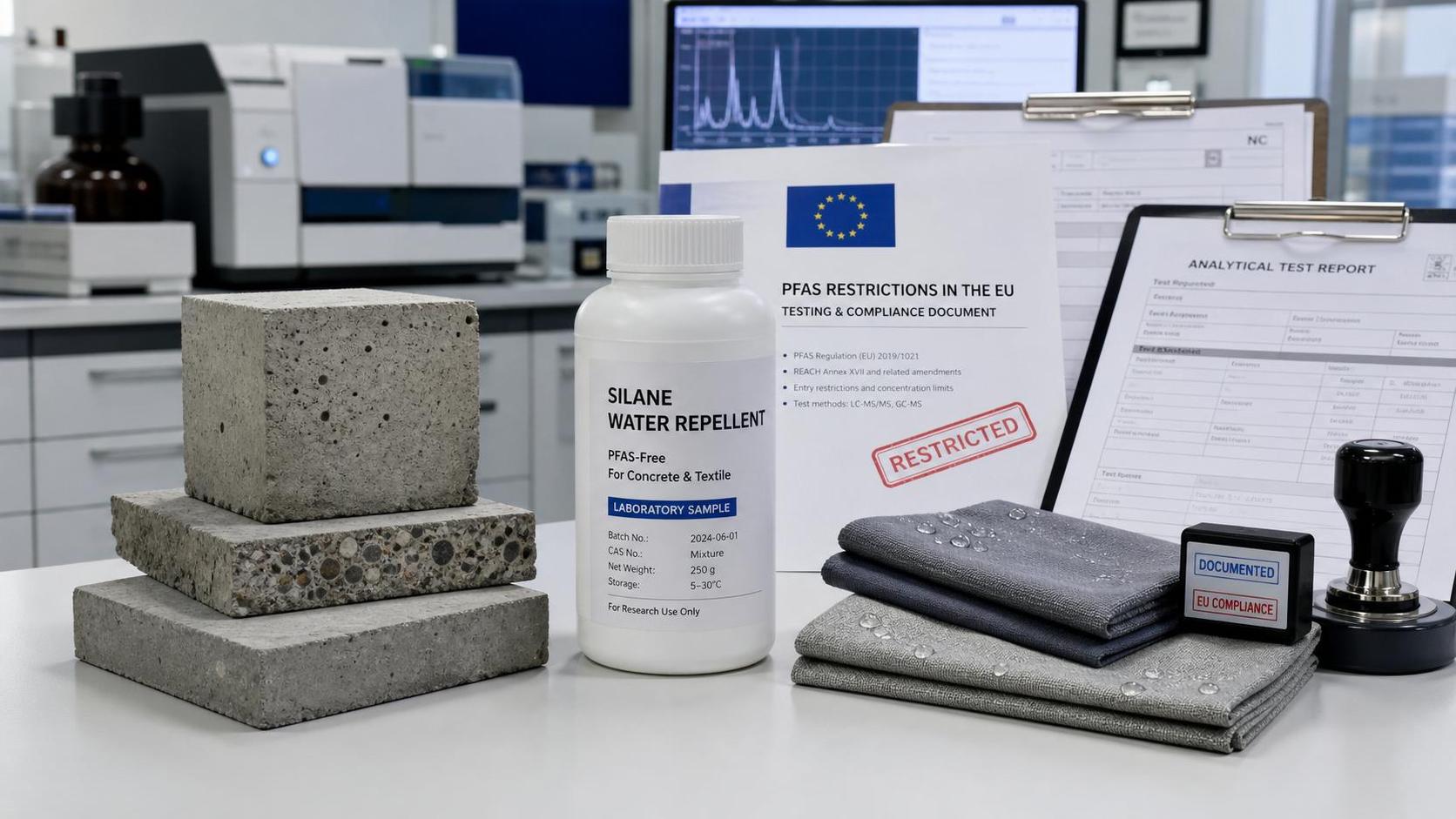
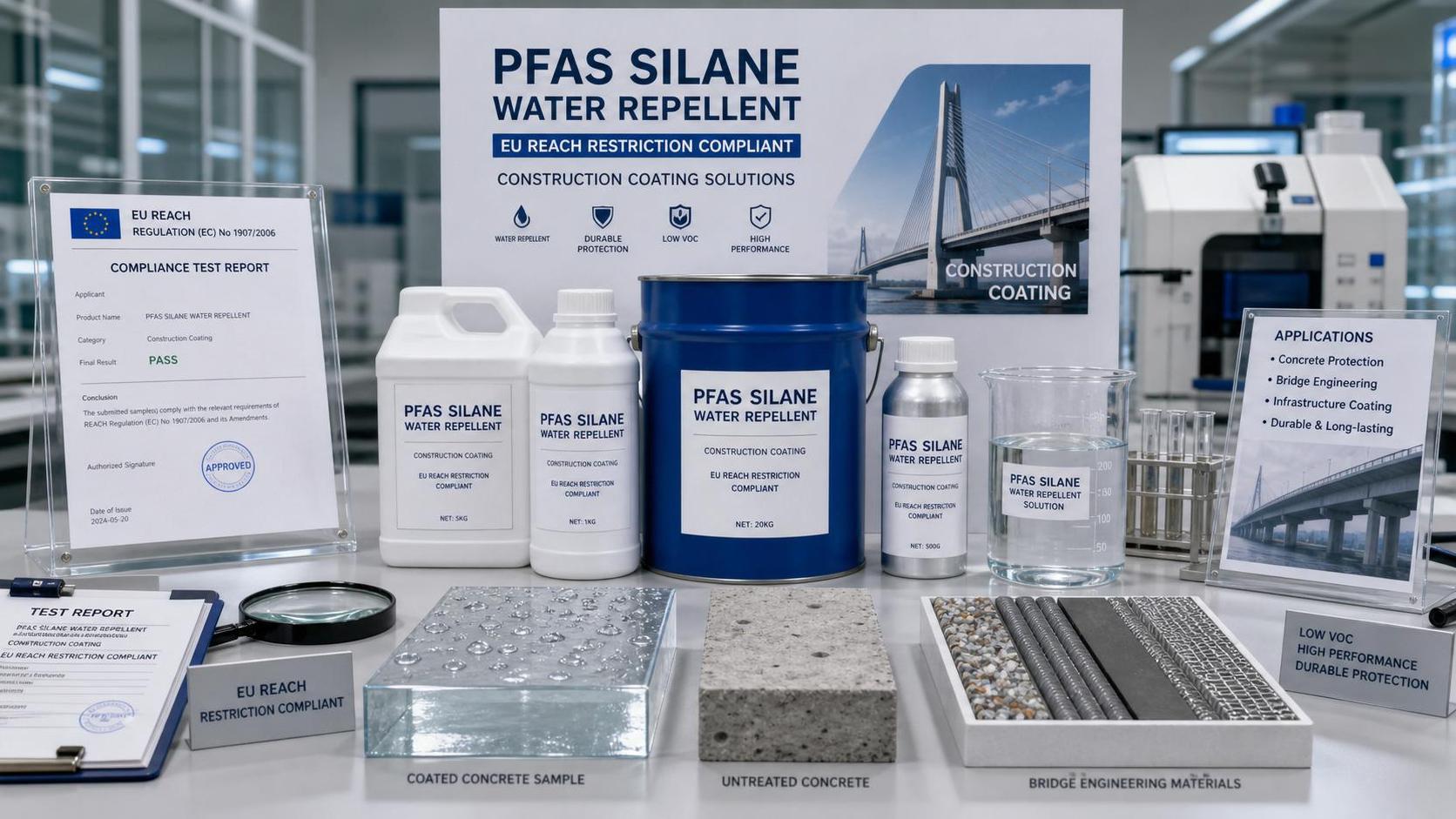
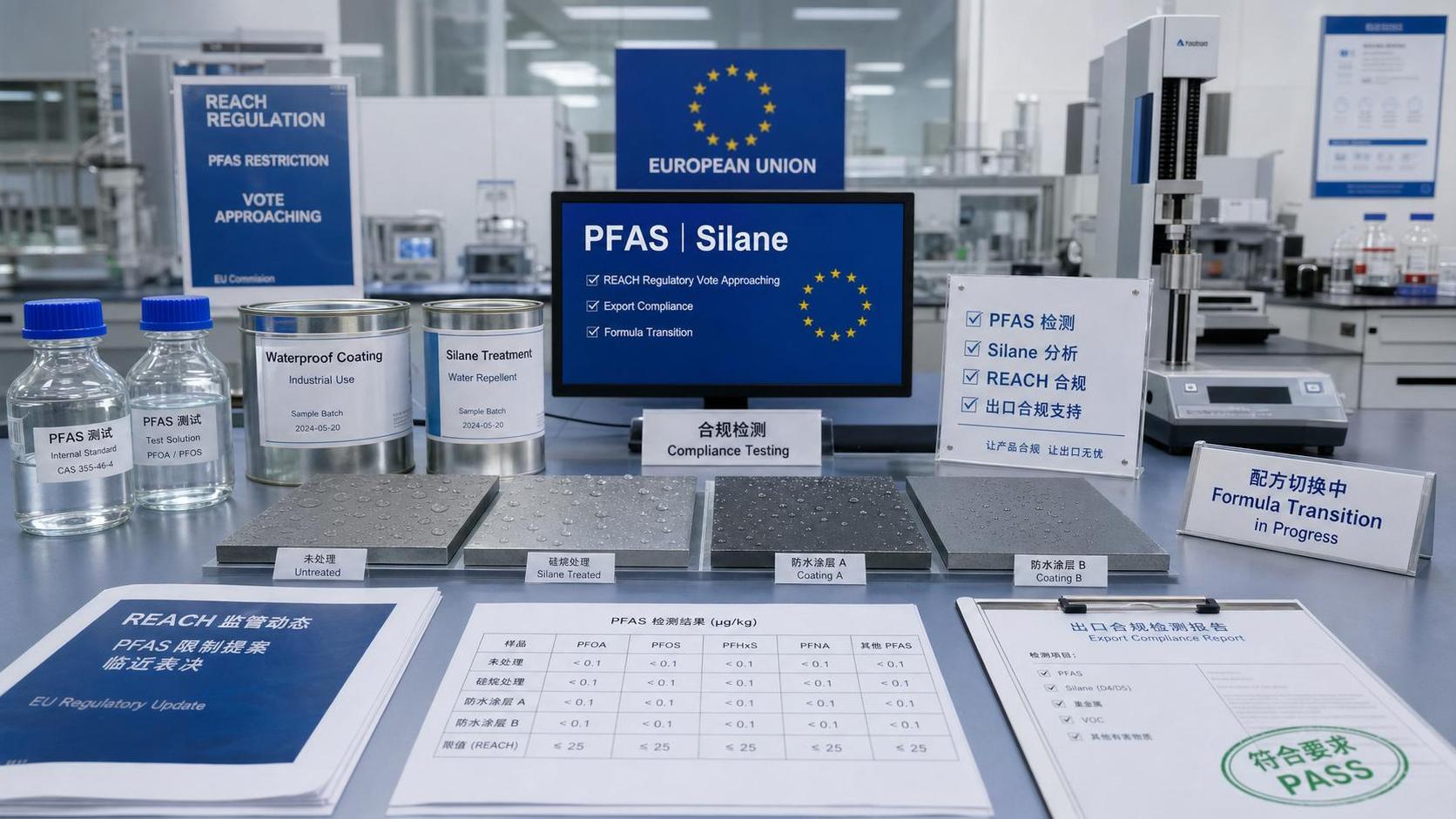
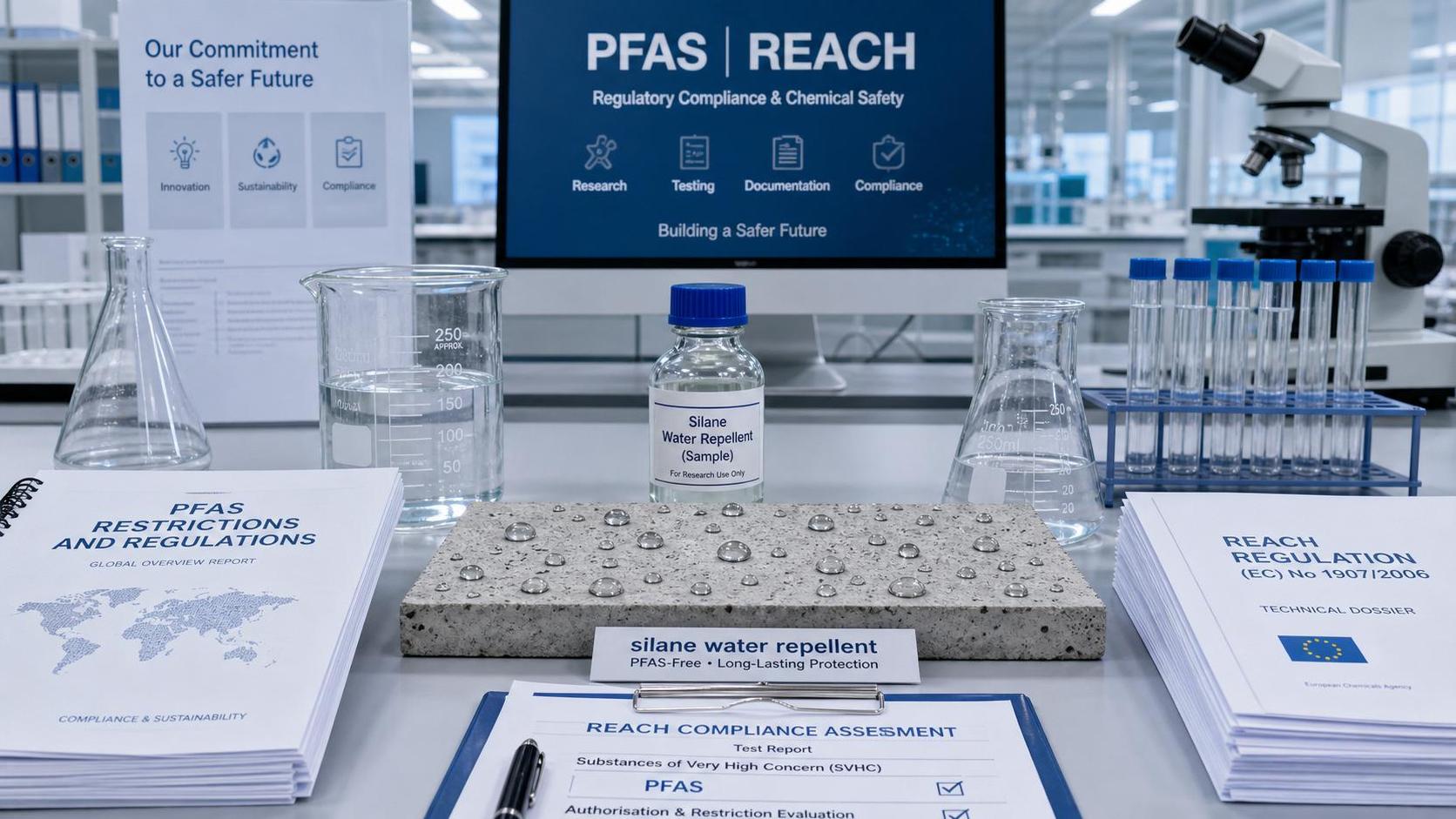
On June 28, 2026, the European Commission released a draft amendment to REACH, COM(2026) 392 final, proposing to add PFAS-containing silane water repellents to Annex XVII, entry 77. The draft would prohibit their use in industrial water-based waterproof coatings at a limit of 0.025 mg/kg, with expected effect in Q3 2027. For exporters, formulators, buyers, and compliance teams involved in silane-based water repellent systems, this is worth close attention because it points to a direct change in market access conditions and formulation compliance for EU-bound business.
What the draft amendment specifically covers
The confirmed information is limited but clear on several points. The proposal was issued by the European Commission on June 28, 2026 under COM(2026) 392 final. It would place PFAS-containing silane water repellents, including amino silane derivatives with C8+ fluorocarbon chains as referenced in the event summary, under Annex XVII entry 77 of REACH. The draft states that these substances would be banned for use in industrial water-based waterproof coatings, and the limit value cited in the summary is 0.025 mg/kg. The event summary also states that the new rule is expected to take effect in Q3 2027.
Where the pressure is likely to appear across the business chain
Export-facing formulation decisions may come under immediate review
From an industry perspective, exporters of silane water repellents and related water-based hydrophobic coating materials are likely to be the first group to assess exposure. The reason is straightforward: the draft is framed around use restriction in an EU-regulated application area, which means export compliance may depend not only on product identity but also on formulation suitability for the intended end use. What deserves closer attention is whether product documentation, technical data packages, and customer-facing compliance statements are aligned with the proposed restriction scope and threshold.
Raw material screening may become more demanding for purchasing teams
For companies buying upstream silane intermediates or fluorinated functional materials, the draft signals a need for tighter raw material review. Analysis shows that procurement risk may shift from price and availability alone toward substance-content visibility and supplier declarations. In practical terms, purchasing teams may need to pay closer attention to composition disclosures, supporting technical documents, and whether existing sourcing arrangements can support a formulation path compatible with the proposed restriction.
Manufacturing and delivery planning may be affected before the rule takes effect
Manufacturers serving EU customers may also feel pressure in production planning and delivery commitments. Observably, even before a formal effective date, downstream buyers can begin asking for confirmation that supplied products are outside the proposed restriction scope or suitable for reformulation programs. That may affect sample approval, customer qualification, document review, and shipment scheduling, especially where contracts or tenders already include compliance-related representations.
Testing and compliance support functions may see higher demand
Testing service providers and internal compliance teams are another affected group. The proposed 0.025 mg/kg limit means document control and substance verification may become more central in export workflows. The key impact is less about a new certification named in the input and more about the likelihood of increased demand for analytical support, technical file review, and traceability records tied to EU-bound coatings and repellents.
What companies should track from now on
Check whether current product lines intersect with the proposed scope
Analysis shows that the first practical step is product mapping. Companies involved in PFAS-related silane repellents, water-based waterproof coatings, or supporting raw materials should identify which formulations, grades, or applications may fall within the proposed Annex XVII restriction language described in the input. This is not yet the same as a final enforcement result, but it is a relevant screening exercise for export portfolios.
Re-examine technical files and customer compliance statements
What deserves closer attention is whether existing technical documents would remain usable if customers begin asking for clearer statements on PFAS content, intended use, or threshold alignment. Businesses may need to review specifications, declarations, test records, product dossiers, and bid or tender materials that relate to EU sales, especially where industrial water-based waterproof coating use is involved.
Watch for changes in customer purchasing and qualification criteria
Observably, downstream procurement behavior can move earlier than formal legal effect. Buyers, distributors, and project owners may start adjusting supplier qualification questions, pre-shipment review requirements, or tender wording once a draft rule signals a likely restriction path. Companies should therefore monitor whether counterparties begin requesting revised compliance undertakings, updated substance disclosures, or reformulation timelines.
Prepare for formulation transition rather than assume a narrow paperwork issue
From an industry perspective, the event summary already points to formulation upgrade pressure for Chinese exporters of silane waterproofing agents to Europe. That means the issue should not be understood only as a labeling or declaration matter. Where a product relies on the substance profile described in the draft, formulation strategy, supplier selection, and delivery planning may all need review as the expected Q3 2027 timeline approaches.
Why this should be read as a signal, not a closed case
Analysis shows that this development is more appropriately understood as a regulatory signal with concrete commercial implications, rather than as a fully settled execution outcome. The draft amendment identifies a specific restriction direction, application context, and threshold, which is enough for companies to begin compliance screening. At the same time, the input does not provide full downstream implementation detail, final enforcement wording, or operational guidance. That is why continued attention to later official wording, customer interpretation, and market-side document requirements remains necessary.
How to read the development at this stage
At this stage, the event points to a likely tightening of EU access conditions for PFAS-containing silane water repellents used in industrial water-based waterproof coatings. The immediate significance lies in export compliance review, formulation readiness, and document control rather than in any confirmed market outcome beyond the facts provided. It is more appropriate to understand this as an early but actionable rule-development signal that may shape procurement, qualification, and delivery decisions ahead of the expected Q3 2027 timing.
Basis of this article and what still needs verification
This article is generated from the user-provided news title, event date, and event summary. For developments of this kind, commonly relevant source types may include official regulatory notices, releases from supervisory authorities, customs or trade administration information, industry association updates, standard-setting documents, and reporting by authoritative media. No specific official source link was provided in the input, so the exact official publication link still requires further verification. Continued review is also needed for subsequent policy wording, enforcement interpretation, tender-document changes, industry feedback, and how affected companies implement compliance or formulation adjustments.
Related News
- Choosing a Silane Masonry Water Repellent for Brick, Stone, and Concrete FacadesAuthor :Structural Durability Strategist

- Concrete Infrastructure Coating Maintenance: How to Prevent Water Ingress and Rebar CorrosionAuthor :Structural Durability Strategist

- EU REACH Adds PFAS Silane Water Repellent BanAuthor :Structural Durability Strategist

- EU Restricts PFAS Silane Water Repellents From Oct. 2026Author :Structural Durability Strategist

- EU REACH Adds PFAS Silane Repellent Ban From Oct 2026Author :Structural Durability Strategist

- EU Restricts PFAS Silane Water Repellents From Oct. 2026Author :Structural Durability Strategist

- EU REACH Adds PFAS Restriction for Silane Water RepellentsAuthor :Structural Durability Strategist

- EU REACH Adds PFAS Silane Restriction From Oct. 2026Author :Structural Durability Strategist

- EU Bans PFAS Silane Water Repellents From Oct. 2026Author :Structural Durability Strategist
![]()
- EU REACH Adds PFAS Silane Ban From October 2026Author :Structural Durability Strategist

- EU REACH Restricts PFAS Silane Water RepellentsAuthor :Structural Durability Strategist

- EU REACH Adds PFAS Ban for Silane Water RepellentsAuthor :Structural Durability Strategist

- EU REACH PFAS Silane Proposal Nears Final HearingAuthor :Structural Durability Strategist

- EU REACH PFAS Silane Proposal Nears Final VoteAuthor :Structural Durability Strategist

- ECHA Opens PFAS Silane Coating ConsultationAuthor :Structural Durability Strategist

- EU Draft REACH Curbs PFAS Silane RepellentsAuthor :Structural Durability Strategist