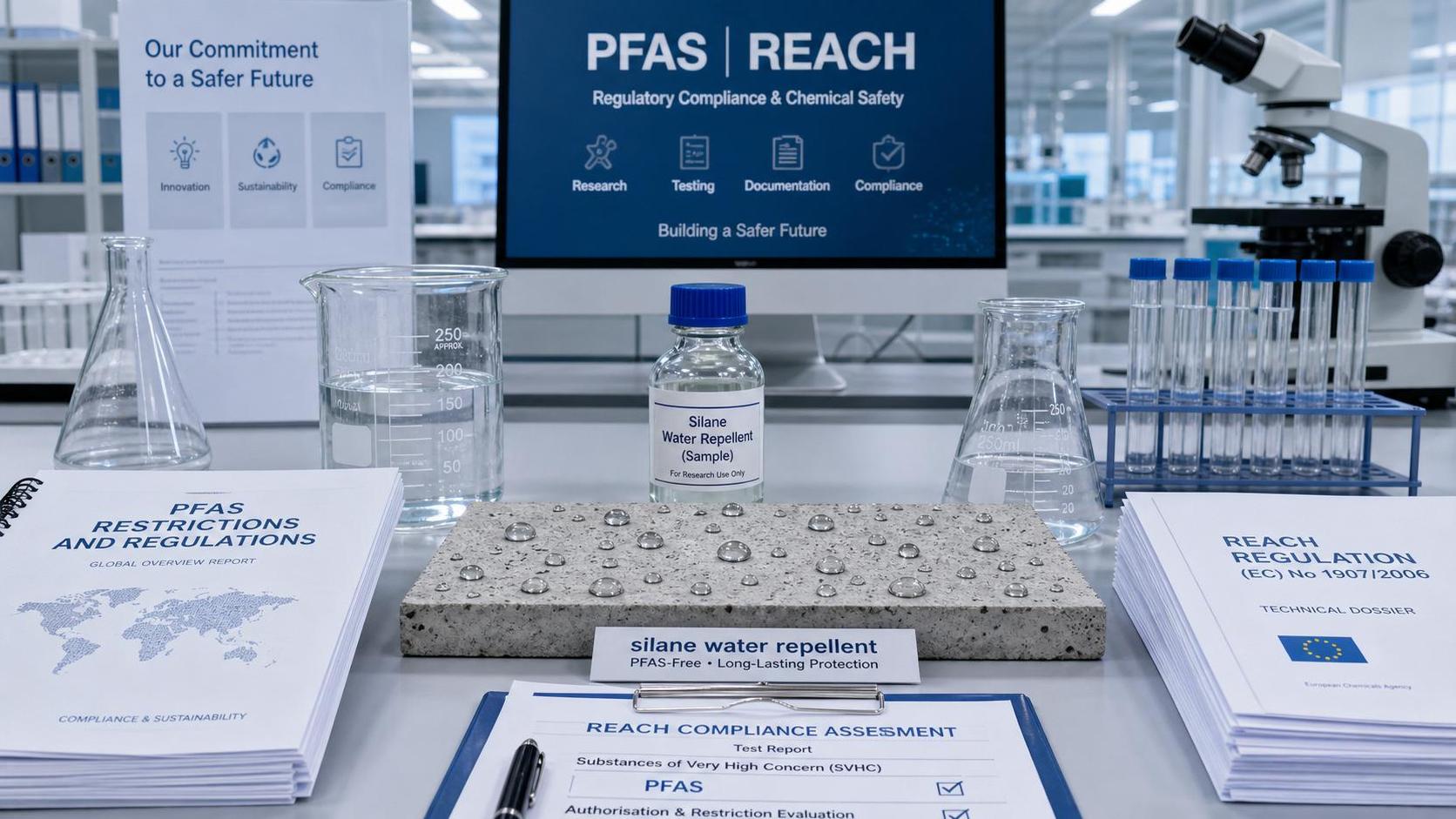




ECHA Opens PFAS Silane Coating Consultation




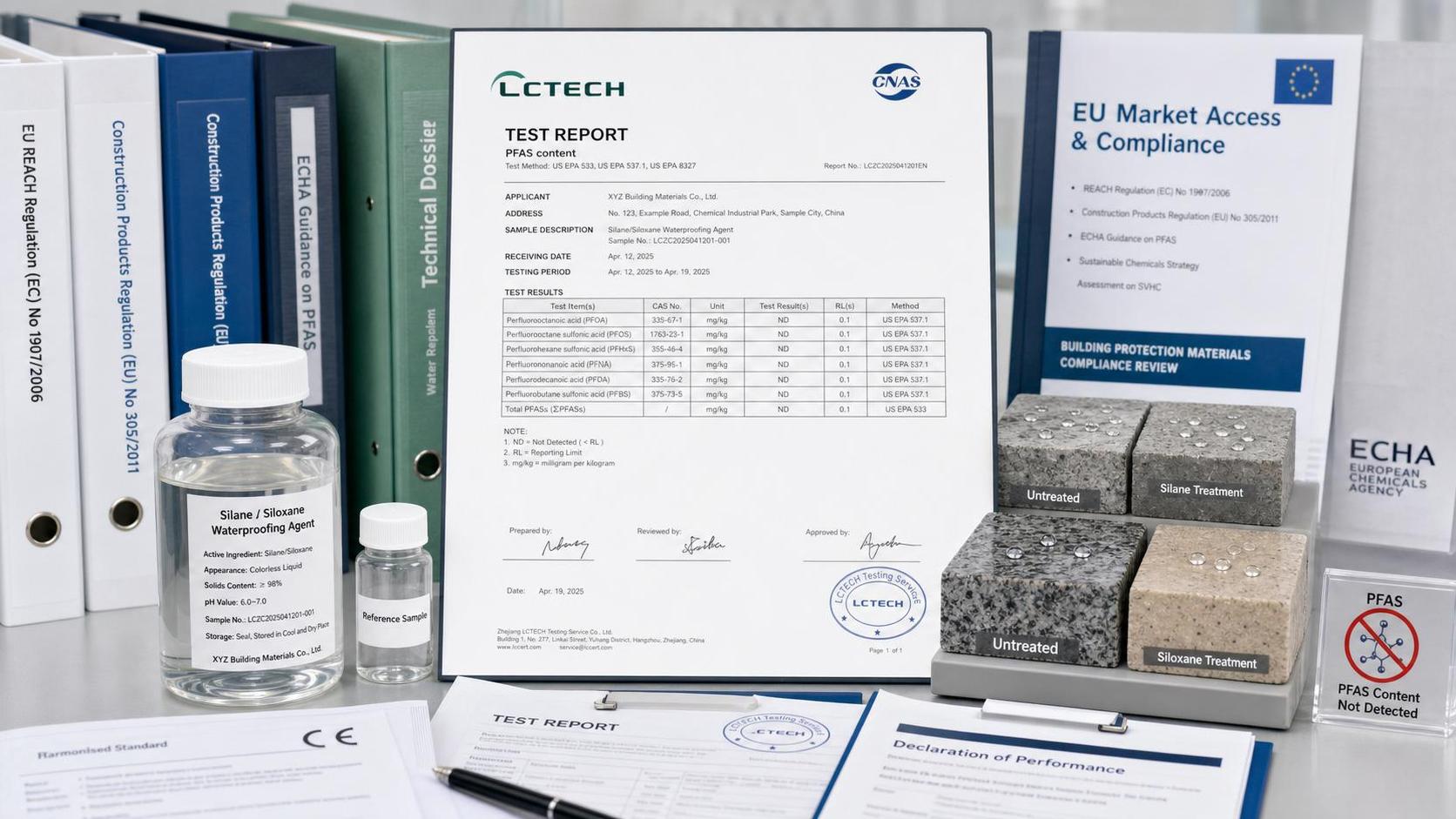
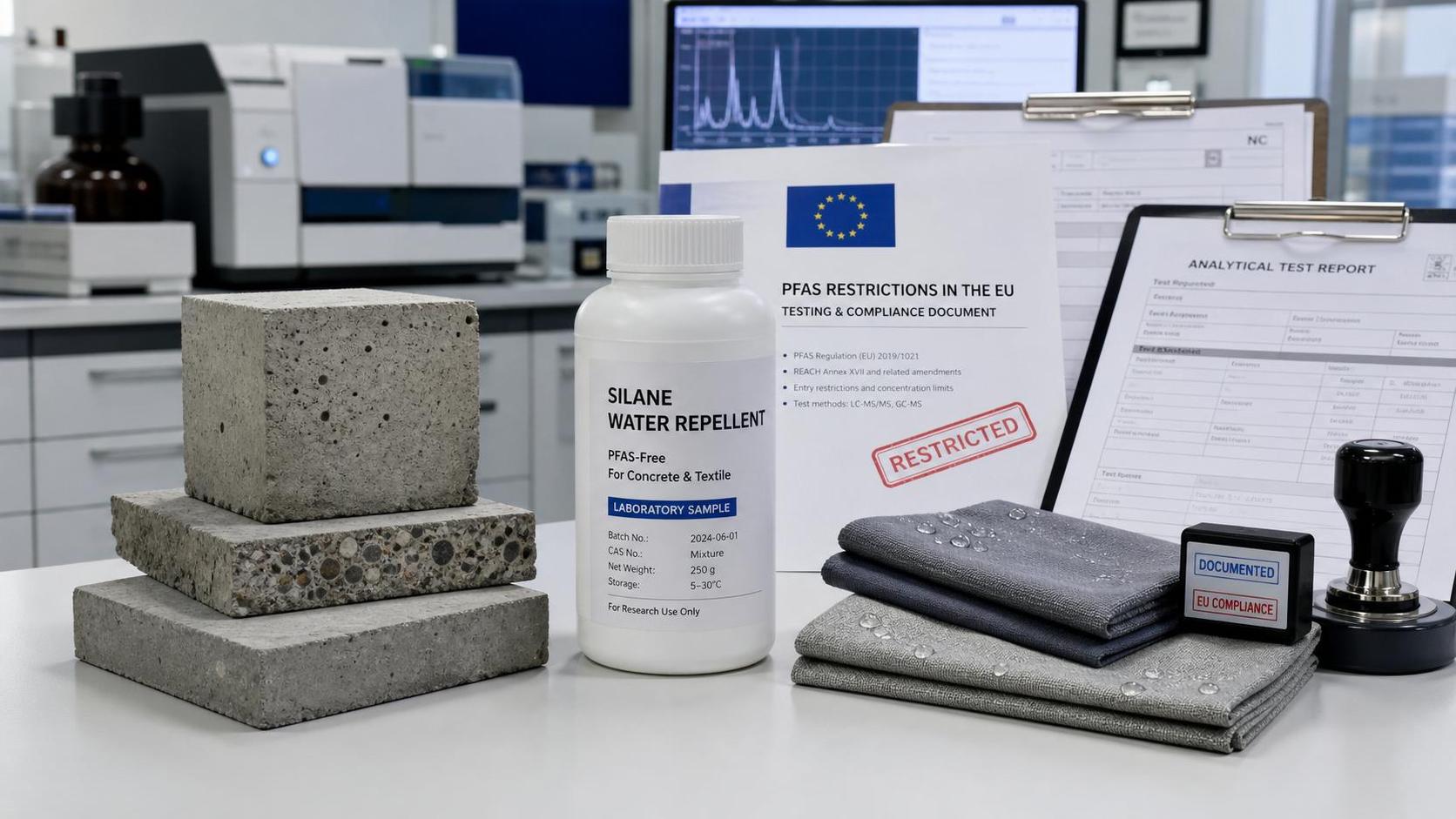
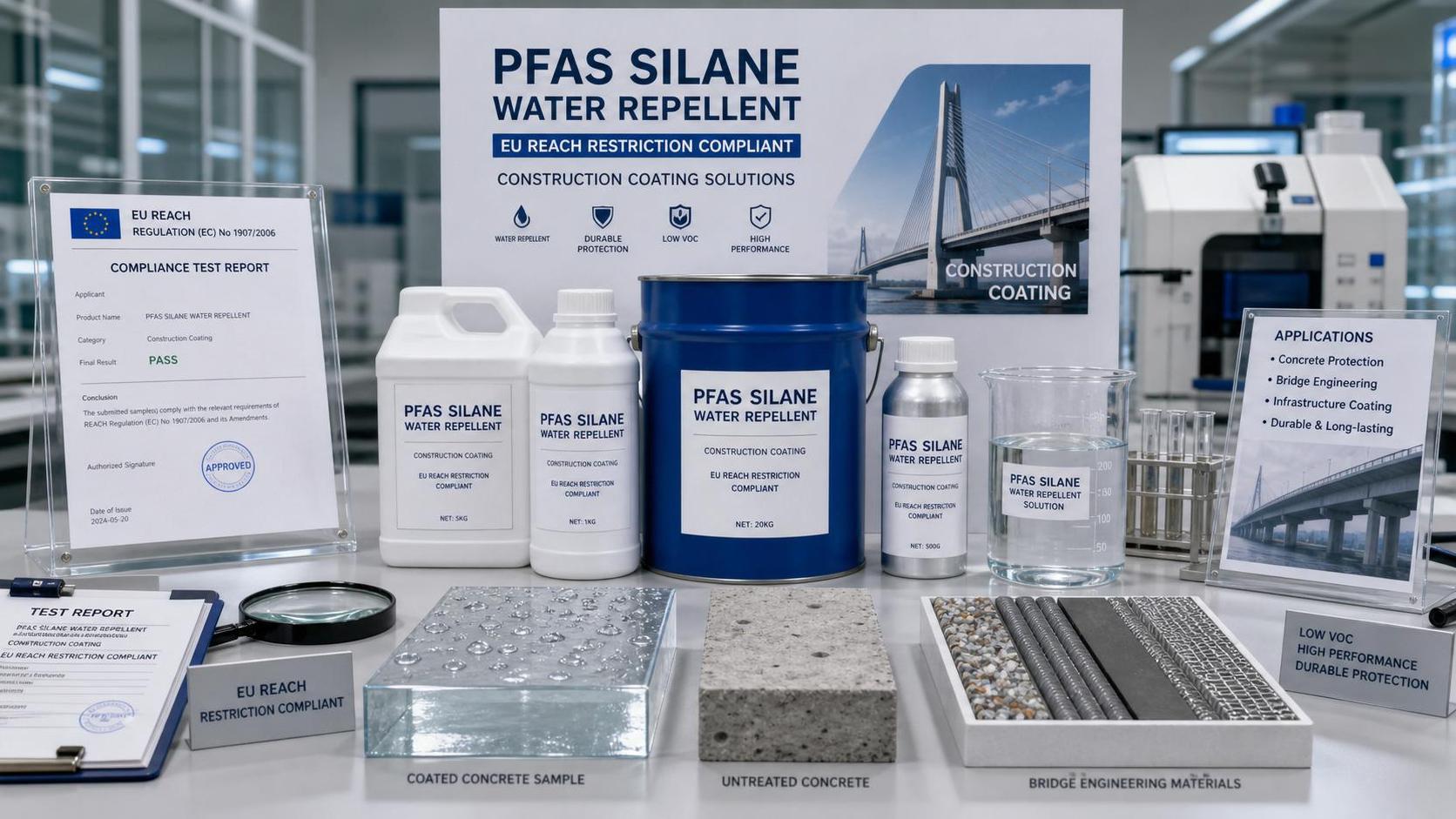
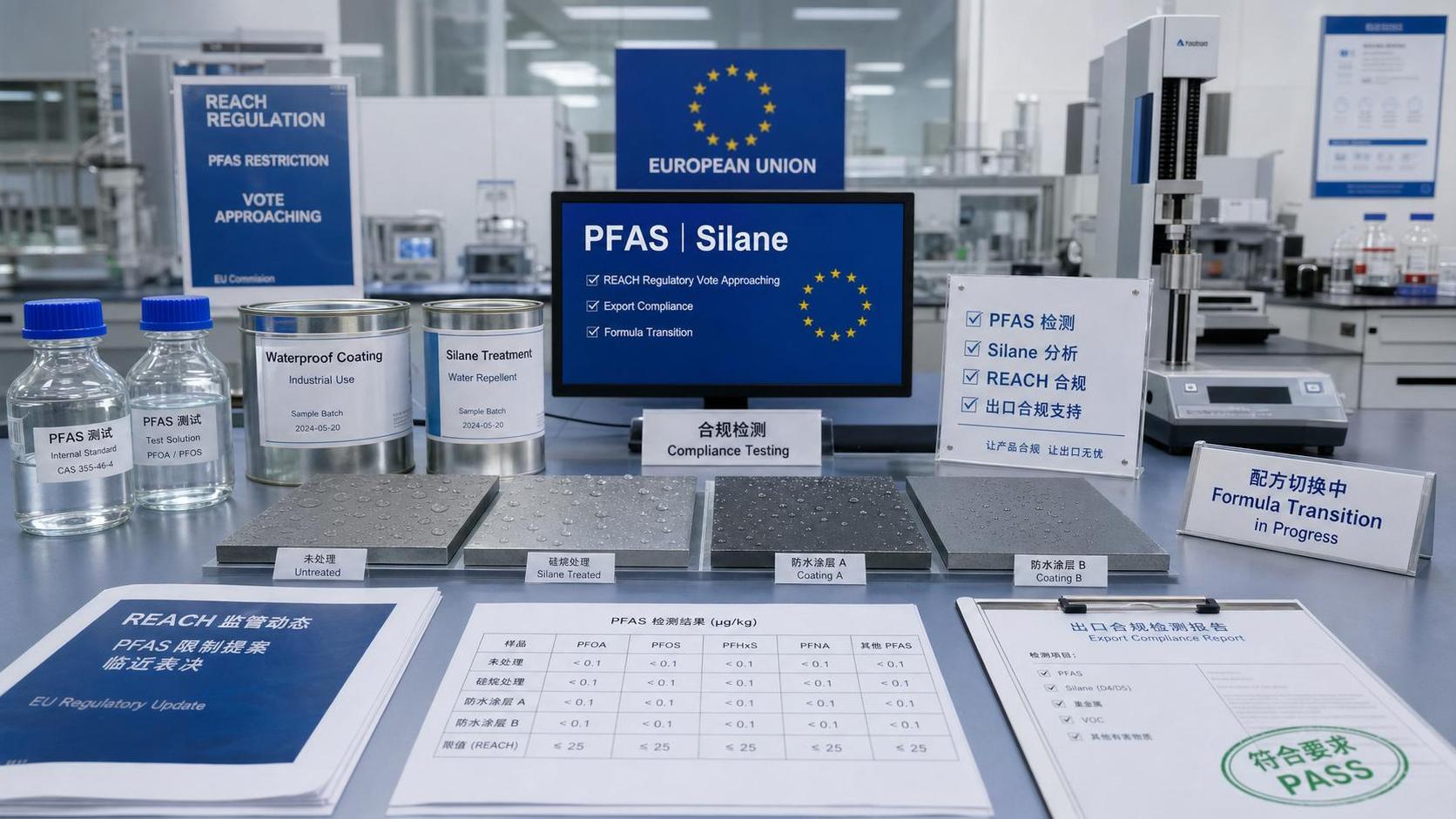
On 2026-06-30, the European Chemicals Agency (ECHA) opened a 12-week public consultation on a REACH Annex XVII restriction proposal covering PFAS-containing silane water-repellent agents. For companies involved in building and industrial silane-based waterborne hydrophobic coatings, this development deserves attention because it points to a possible change in EU market access conditions, especially for exporters, formulators, procurement teams, and compliance functions that rely on PFAS-modified silanes in products supplied to Europe.

What the consultation formally covers
The confirmed facts are limited but commercially relevant. ECHA formally launched the public consultation on 2026-06-30. The proposal concerns a REACH Annex XVII restriction for silane-based waterproofing agents containing per- and polyfluoroalkyl substances (PFAS), including derivatives associated with methyltriethoxysilane. The consultation period is 12 weeks. If the proposal is adopted, specified PFAS-modified silanes would be prohibited in building and industrial silane waterborne hydrophobic coatings. The event summary also indicates that this would directly affect compliance access and formulation restructuring for Chinese exporters of waterborne hydrophobic agents selling into the EU market.
Where pressure may appear across the supply chain
Export transactions may face earlier compliance screening
From an industry perspective, exporters are likely to be affected first because EU-bound shipments depend on continued compliance eligibility. The immediate concern is not a confirmed ban today, but the possibility that customers, distributors, or import-side partners begin reviewing whether current coating formulations involve the PFAS-modified silanes named in the proposal scope. What deserves closer attention is whether product dossiers, technical declarations, and formulation-related records can support EU market access discussions during and after the consultation stage.
Formulation and raw material decisions may move forward before any final outcome
For manufacturers and raw material purchasing teams, the issue is tied to formulation dependence. If a product line uses silane chemistry that may fall within the proposed restriction scope, procurement and technical teams may need to examine substitute pathways, supplier disclosures, and the traceability of PFAS-related inputs. Analysis shows that the business impact would likely concentrate in formulation review, raw material qualification, and the coordination between R&D, purchasing, and export sales.
EU-facing channels and project supply may become more document-driven
Distributors, project suppliers, and procurement-side buyers may also feel the effect through tighter document requests. Observably, when a restriction proposal targets a specific chemistry route, counterparties often focus more closely on technical documents, declarations, and bid or project specification alignment. In this case, companies involved in EU-facing building or industrial coating supply should pay attention to whether tenders, purchase terms, or customer specifications begin asking for clearer statements on PFAS-related silane content or restriction exposure.
Testing and compliance support functions may be pulled in earlier
Compliance service providers, testing-related partners, and quality documentation teams may become more involved because customers often ask for clearer evidence when a regulatory proposal enters public consultation. The practical effect is less about a confirmed new certification requirement at this stage and more about readiness to support product review, material disclosure, and downstream communication if clients request additional substantiation.
What companies should watch now
Check whether existing EU-bound products fall into the proposal's line of sight
Analysis shows that the first task is scope recognition. Companies supplying building or industrial silane waterborne hydrophobic coatings to the EU should review whether current products use the types of PFAS-modified silanes referenced in the event summary. This is especially relevant where sales, formulation, and regulatory teams work from different product descriptions or supplier naming conventions.
Revisit formulation files and supporting documents
What deserves closer attention is document readiness. Even without a final restriction outcome, exporters may need cleaner internal mapping of raw materials, formulation versions, technical files, and any testing or declaration materials used in customer communication. If clients raise questions during the consultation window, delayed or inconsistent documentation could become a commercial issue before any formal rule change takes effect.
Track how customers and procurement documents respond
Observably, market execution often starts with customer-side caution rather than immediate legal enforcement. Companies should therefore watch for changes in procurement language, tender specifications, technical approval conditions, or distributor questionnaires related to PFAS-modified silanes in waterborne hydrophobic coatings. At this stage, these should be treated as market signals, not as proof of a finalized regulatory outcome.
Prepare for possible delivery and sourcing adjustments
From an industry perspective, the proposal matters not only for compliance entry but also for delivery planning. If formulation restructuring becomes necessary later, sourcing schedules, customer approvals, and product transition timing could all be affected. For that reason, companies may want to evaluate supply continuity risks tied to affected silane inputs, while recognizing that the final restriction result and execution details are not yet confirmed in the provided information.
Why this matters as a regulatory signal
Analysis shows that this development is more appropriately understood as a live regulatory signal rather than a completed market rule. The consultation has formally started, which means the issue has moved beyond general discussion and into a structured REACH process. At the same time, the provided information does not establish a final adopted restriction or a defined implementation schedule. That is why continued attention should focus on how the proposal develops, how compliance interpretations are expressed, and whether procurement and technical requirements in the market begin shifting ahead of any final decision.
How to read the current stage
The industry significance of this event lies in its potential to reshape EU access conditions for a specific category of silane water-repellent coatings if the proposal is adopted. A measured reading is necessary: this is not yet a confirmed end-state rule in the provided facts, but it is also not a routine notice that can be ignored by exporters and formulation-dependent suppliers. It is more appropriate to understand this as an early but concrete compliance warning for companies serving the EU coating market.
Basis of this article and points still requiring verification
This article is based on the user-provided news title, event date, and event summary. For developments of this type, relevant source categories typically include official notices, releases from regulatory authorities, information from customs or trade authorities, industry association updates, standard-setting documents, and reporting by authoritative trade media. No specific official source link was provided in the input, so the underlying official publication path still needs ongoing verification. Continued observation is also needed regarding any later policy detail, compliance interpretation, tender document changes, market feedback, and how affected companies implement product or supply-chain adjustments.
Related News
- Choosing a Silane Masonry Water Repellent for Brick, Stone, and Concrete FacadesAuthor :Structural Durability Strategist

- Concrete Infrastructure Coating Maintenance: How to Prevent Water Ingress and Rebar CorrosionAuthor :Structural Durability Strategist

- EU REACH Adds PFAS Silane Water Repellent BanAuthor :Structural Durability Strategist

- EU Restricts PFAS Silane Water Repellents From Oct. 2026Author :Structural Durability Strategist

- EU REACH Adds PFAS Silane Repellent Ban From Oct 2026Author :Structural Durability Strategist

- EU Restricts PFAS Silane Water Repellents From Oct. 2026Author :Structural Durability Strategist

- EU REACH Adds PFAS Restriction for Silane Water RepellentsAuthor :Structural Durability Strategist

- EU REACH Adds PFAS Silane Restriction From Oct. 2026Author :Structural Durability Strategist

- EU Bans PFAS Silane Water Repellents From Oct. 2026Author :Structural Durability Strategist
![]()
- EU REACH Adds PFAS Silane Ban From October 2026Author :Structural Durability Strategist

- EU REACH Restricts PFAS Silane Water RepellentsAuthor :Structural Durability Strategist

- EU REACH Adds PFAS Ban for Silane Water RepellentsAuthor :Structural Durability Strategist

- EU REACH PFAS Silane Proposal Nears Final HearingAuthor :Structural Durability Strategist

- EU REACH PFAS Silane Proposal Nears Final VoteAuthor :Structural Durability Strategist

- ECHA Opens PFAS Silane Coating ConsultationAuthor :Structural Durability Strategist

- EU Draft REACH Curbs PFAS Silane RepellentsAuthor :Structural Durability Strategist