



Protective Coatings and Total Asset Life




Protective Coatings matter most when asset life is the real target
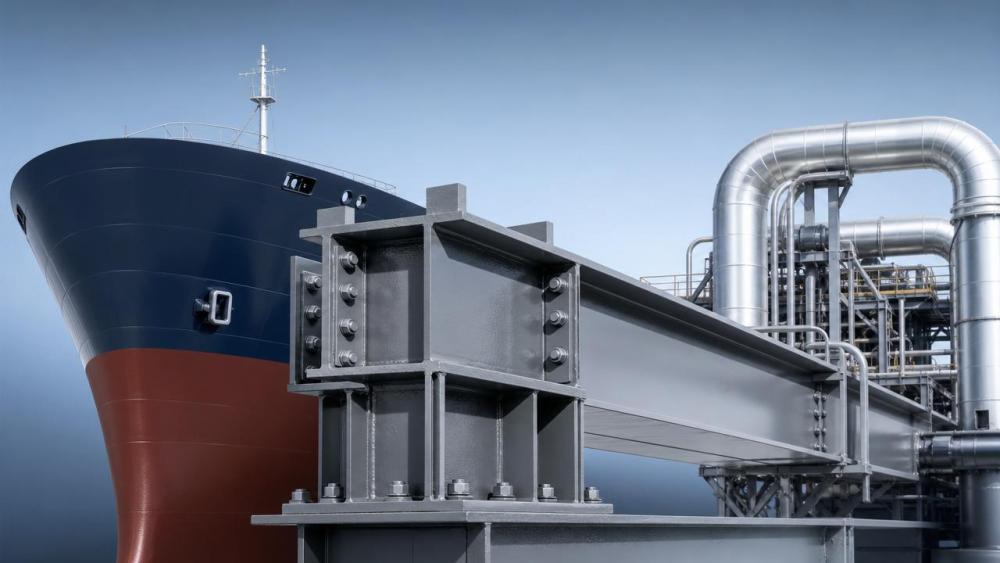
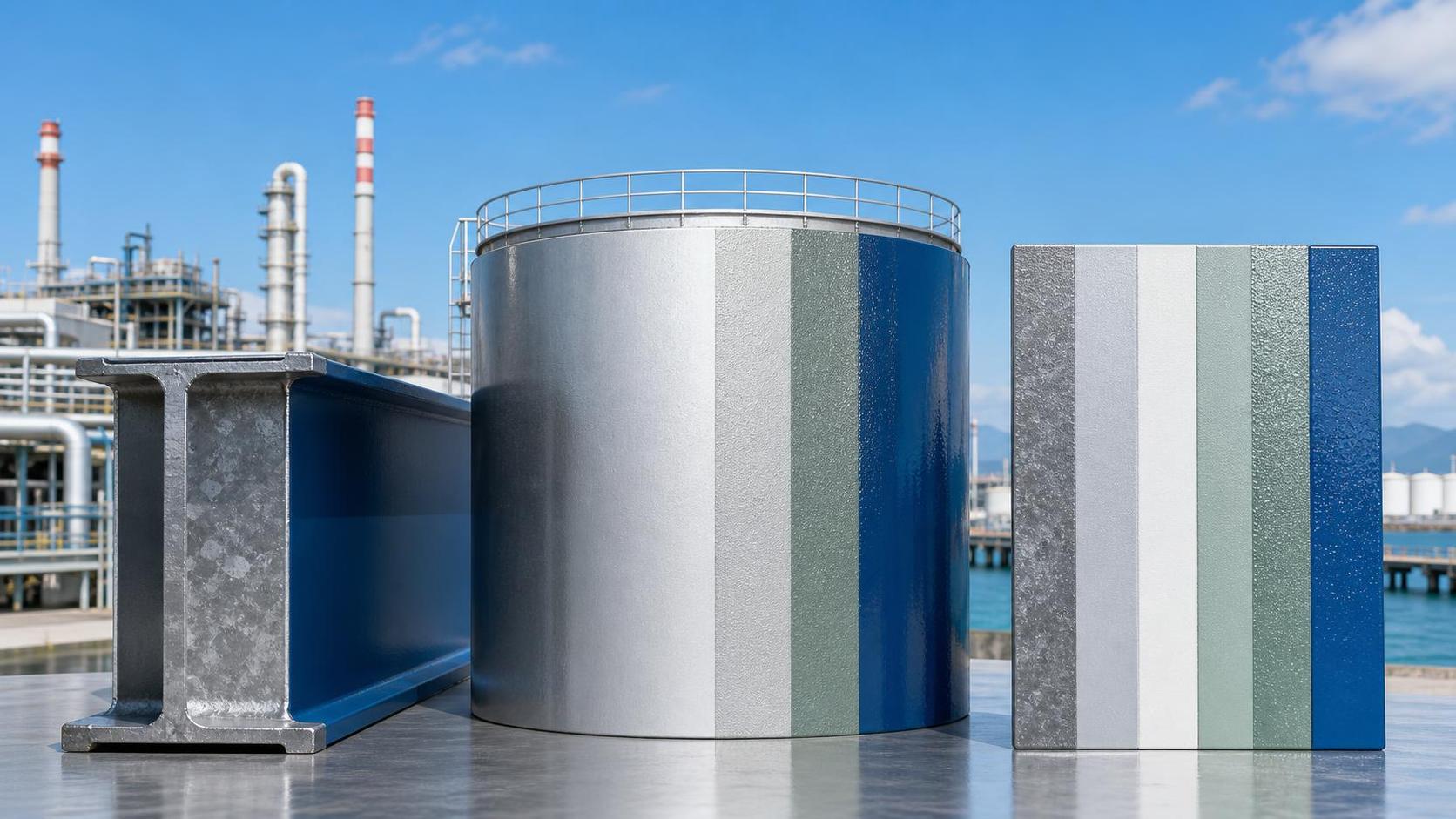
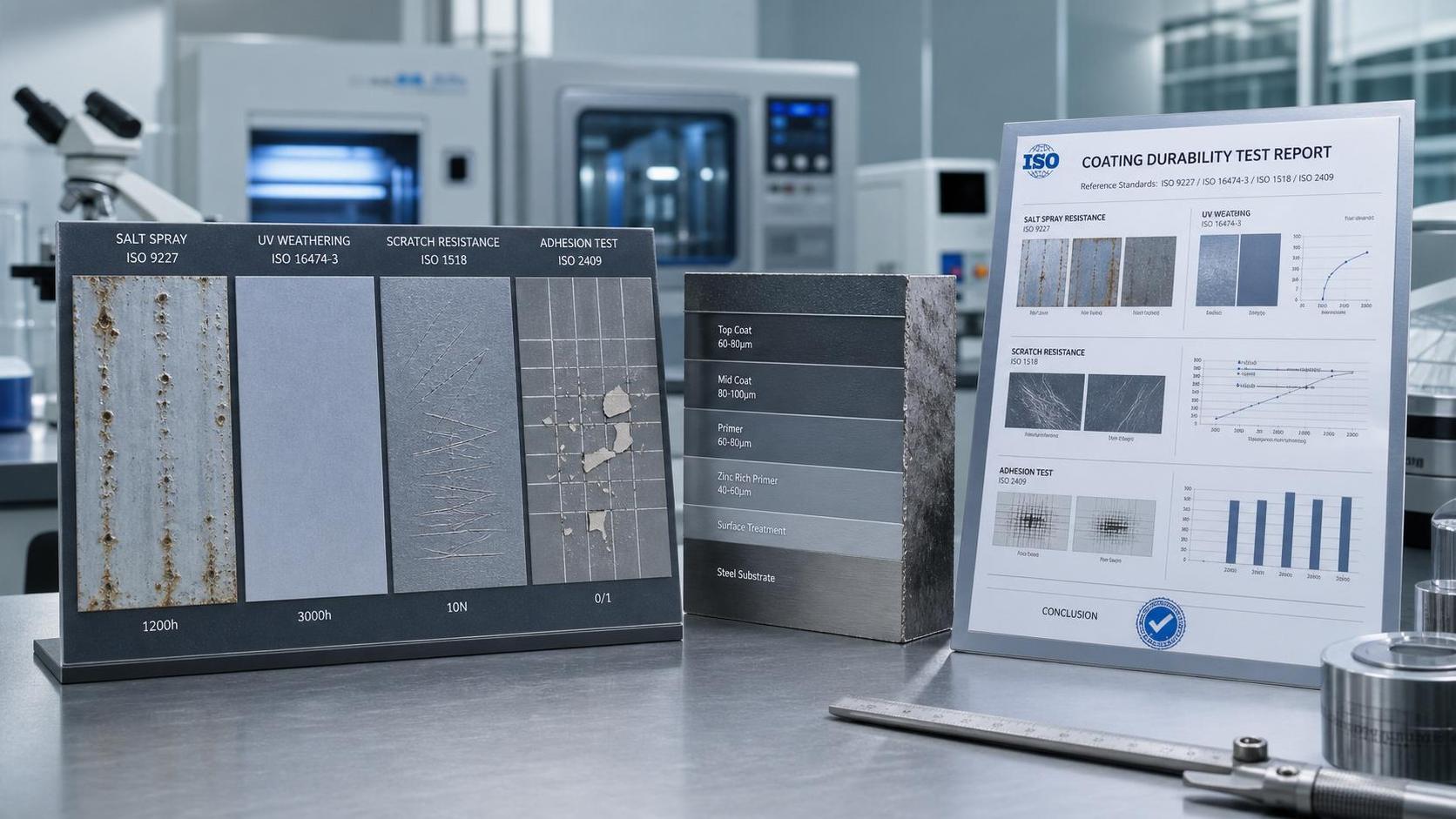
Protective coatings are often discussed as surface protection, yet their real value appears much deeper in the asset lifecycle.
A bridge, vessel, furnace duct, aircraft skin, or chassis does not fail for the same reason, or at the same speed.
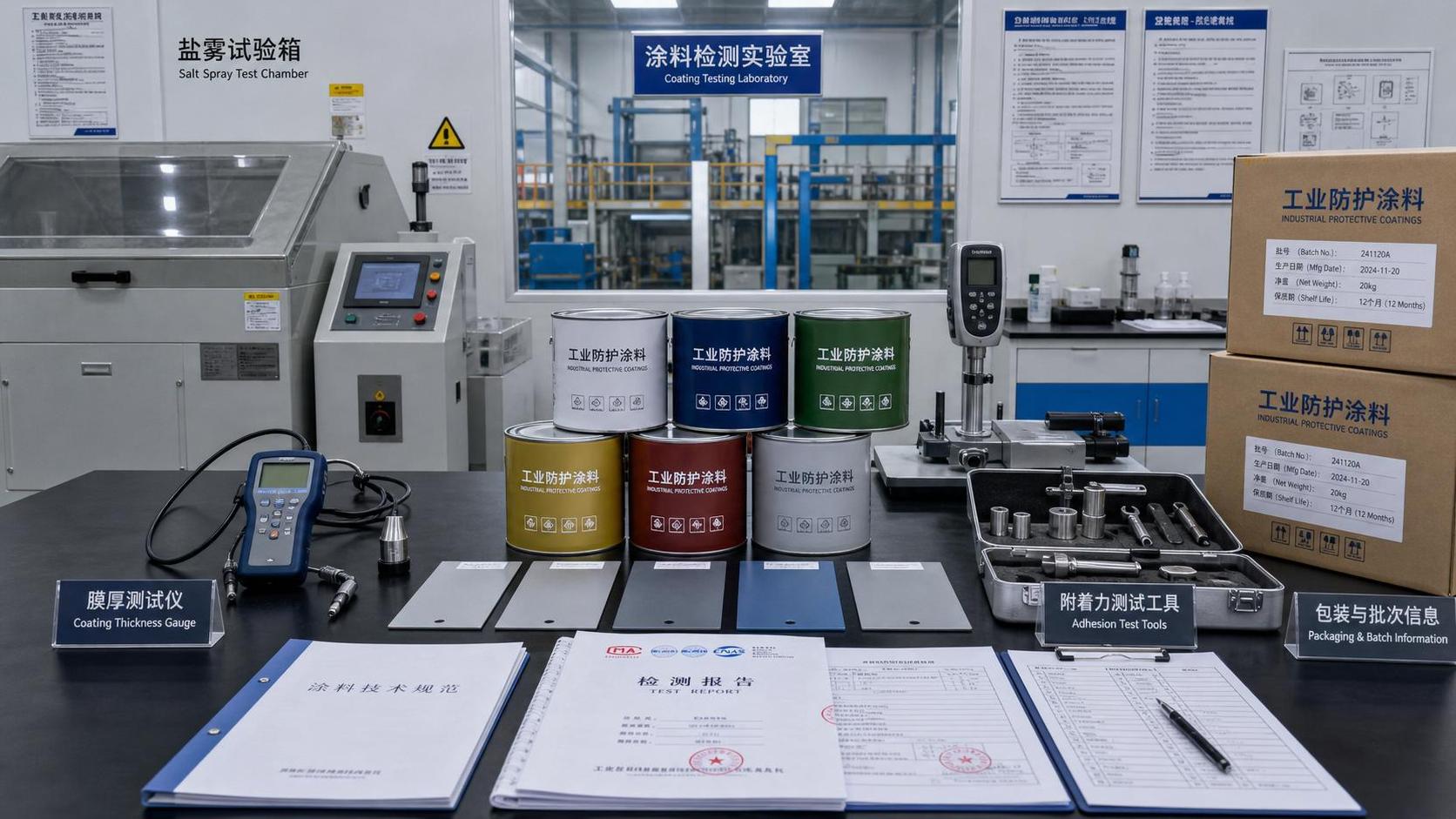
That is why coating selection cannot be reduced to film thickness, gloss, or a single corrosion test report.
In practical use, protective coatings shape maintenance intervals, inspection burden, shutdown frequency, environmental exposure, and long-term capital resilience.
SPCS follows this issue from the chemistry level upward, connecting electrochemical corrosion, polymer cross-linking, and compliance pressure with real operating conditions.
The central question is simple: which coating system protects the substrate long enough, under the exact stress profile the asset will actually face?
The first decision point is not product grade, but exposure logic
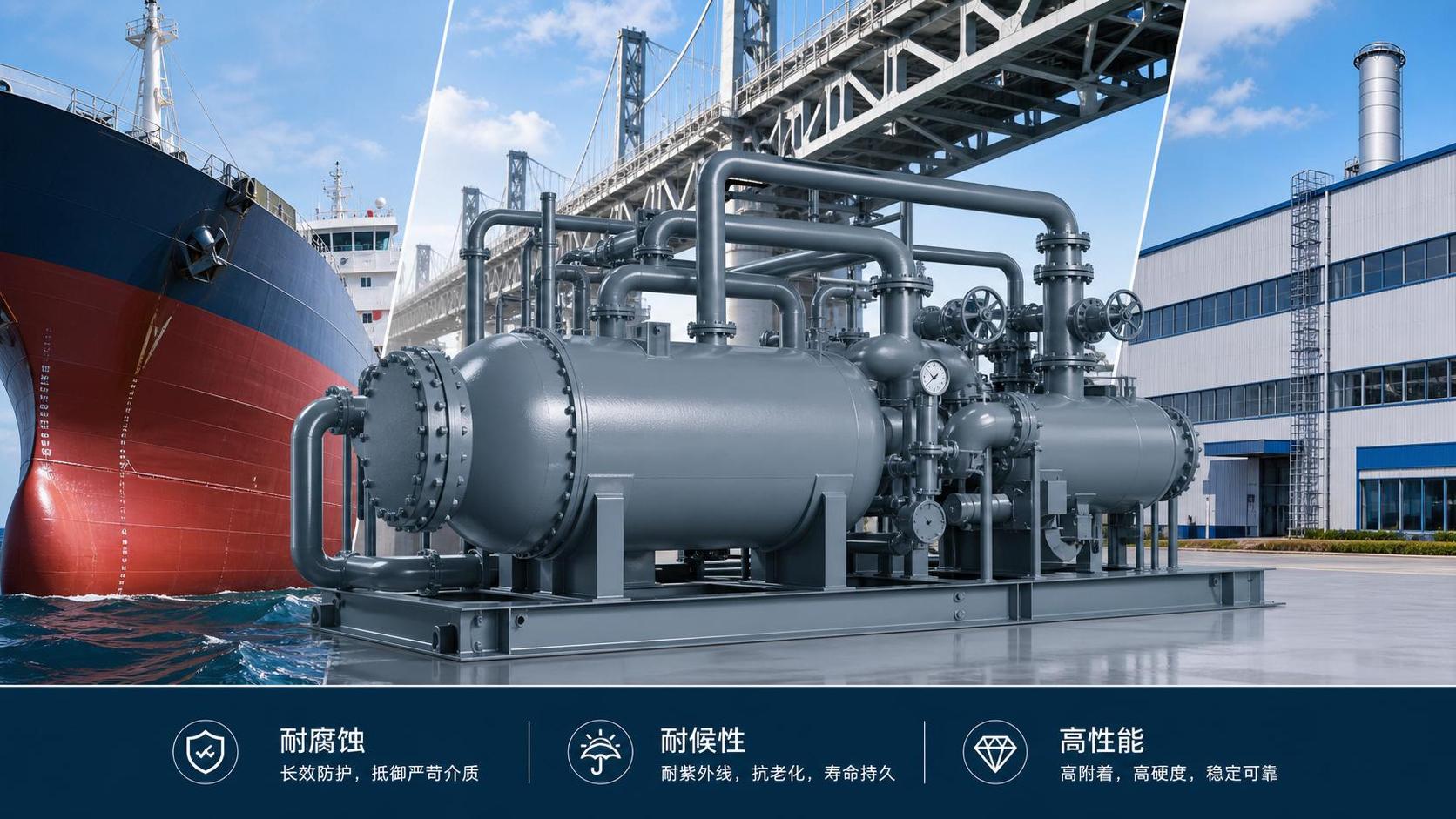
Different environments attack metal and composite surfaces through very different mechanisms.
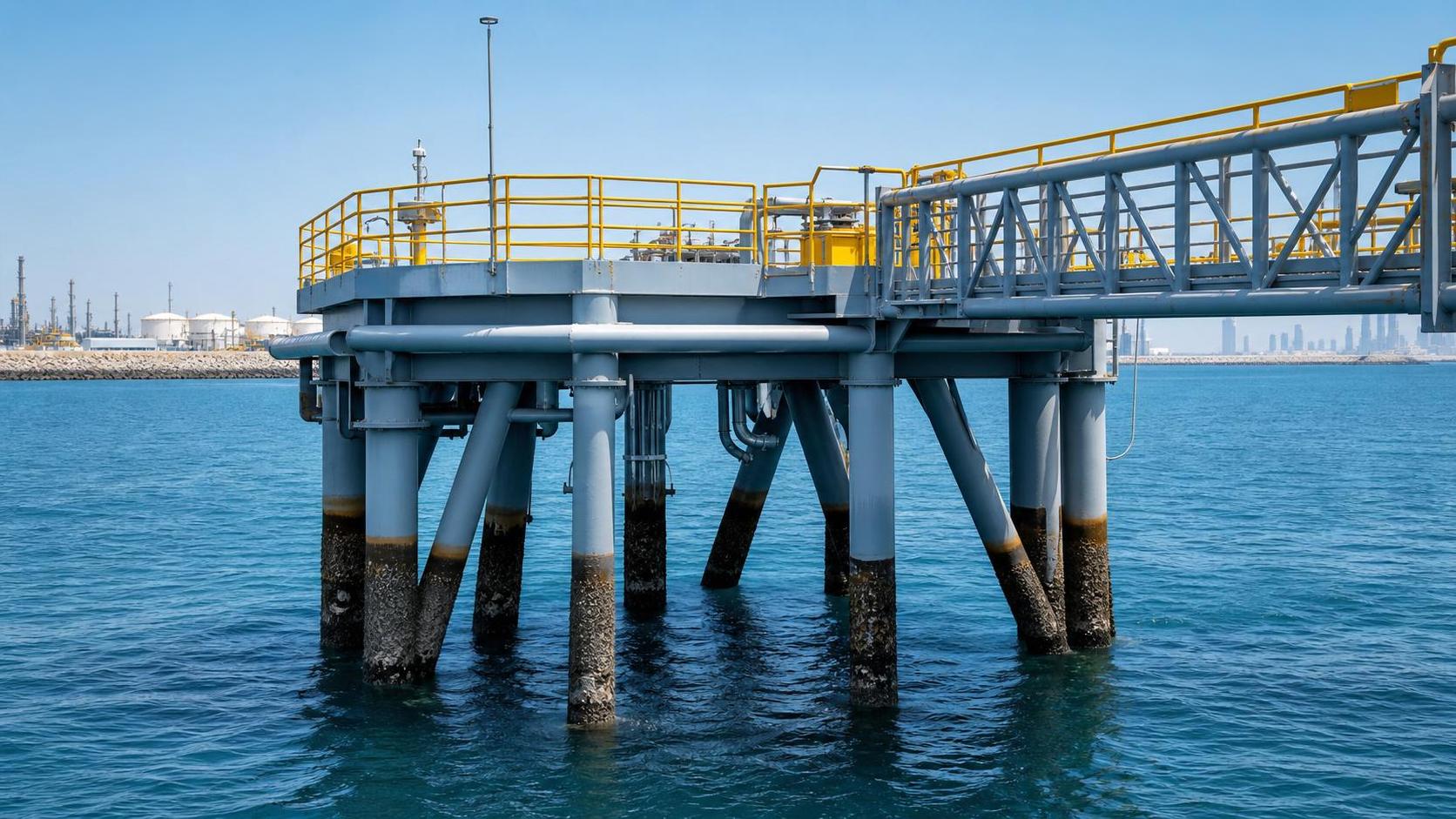
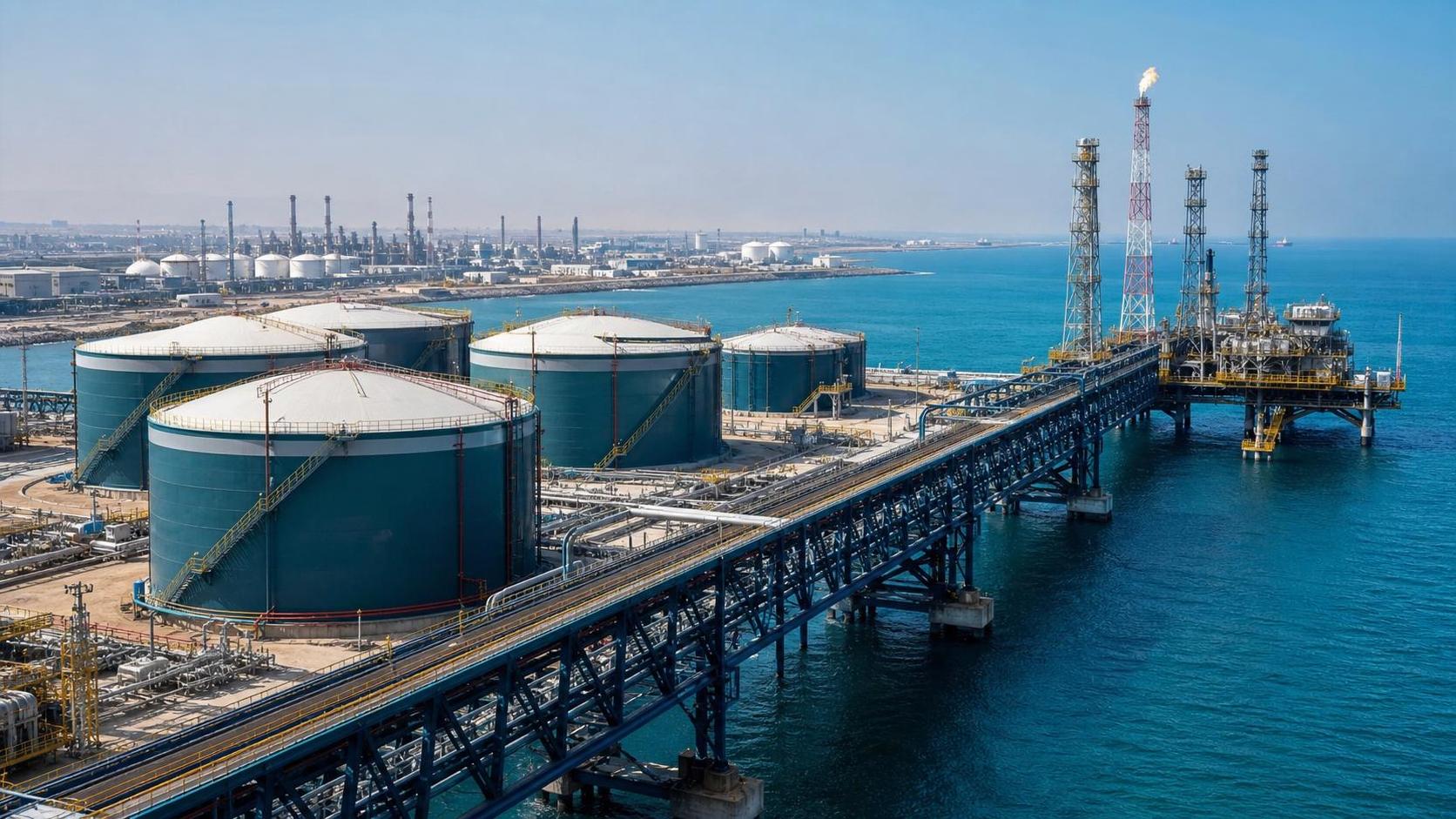
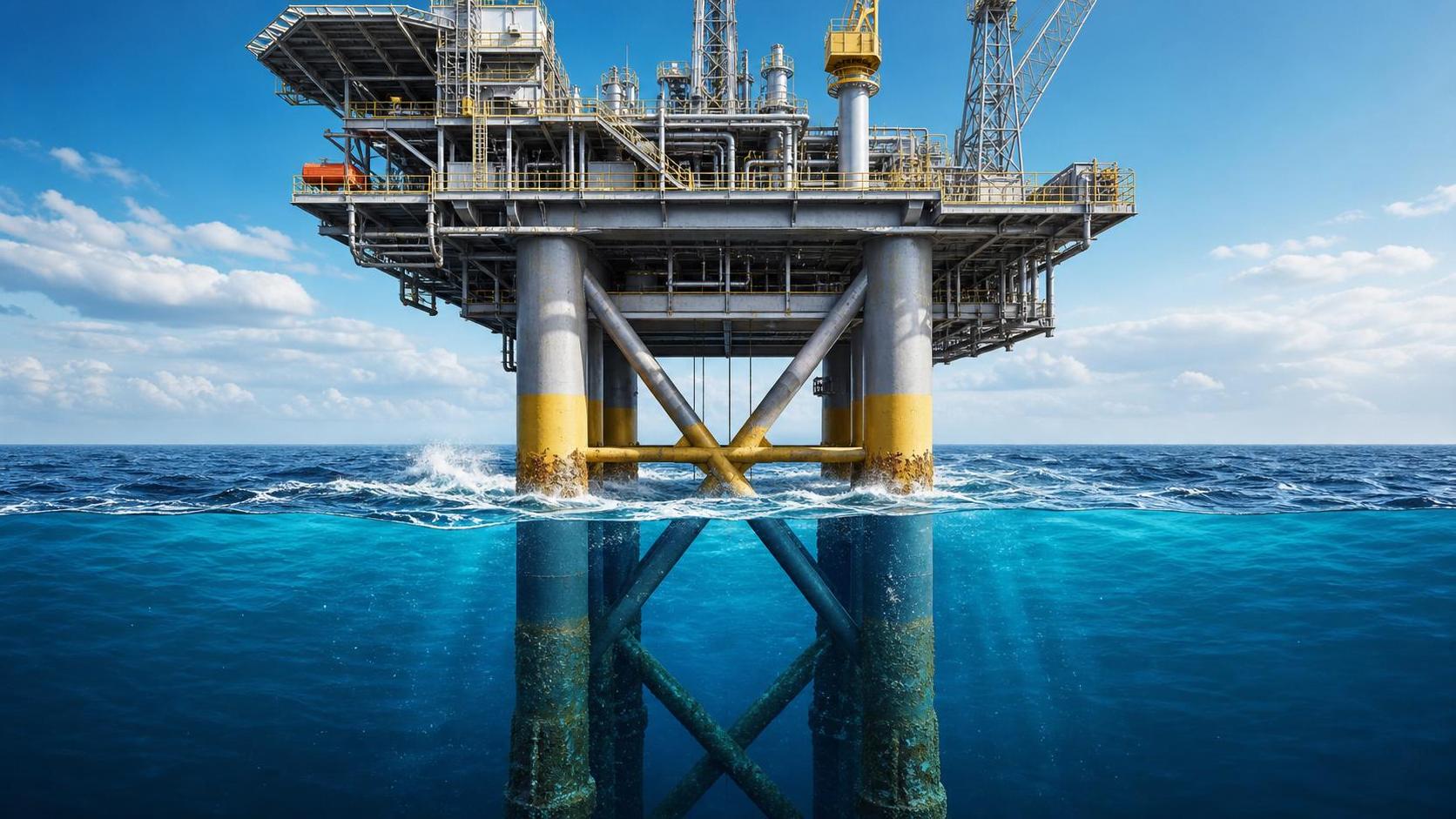
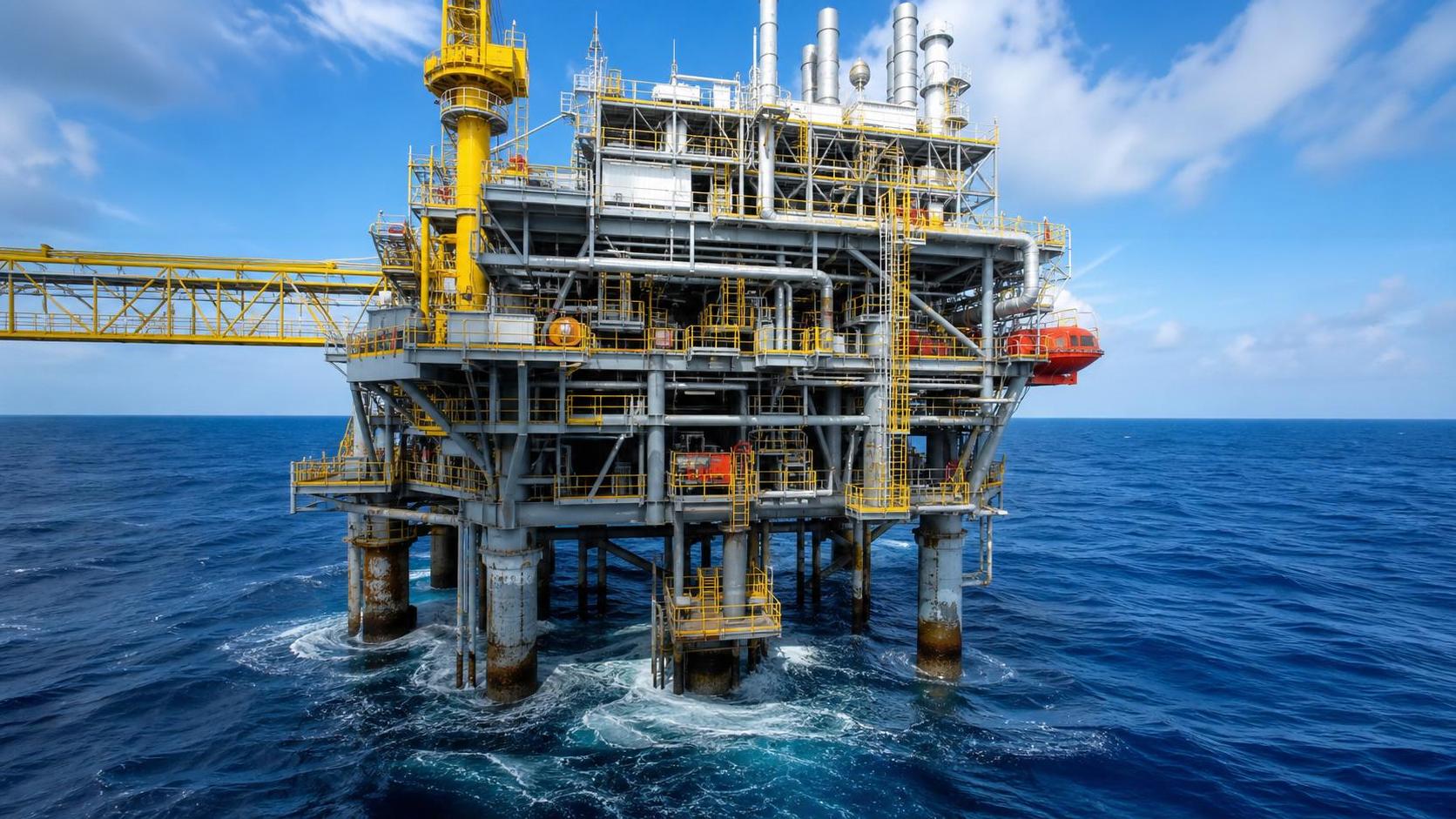
Marine structures face chloride penetration, osmotic blistering, and biofouling.
Aerospace surfaces face ultraviolet radiation, thermal cycling, erosion, and, in some cases, electromagnetic performance requirements.
Industrial hot zones shift the problem again, because heat destroys ordinary binders before corrosion even becomes the dominant failure mode.
Infrastructure adds another layer. UV, acid rain, de-icing salts, access difficulty, and repainting logistics often matter as much as coating chemistry.
More projects now also need low-VOC or waterborne protective coatings, so environmental compliance becomes a design input, not a late-stage checkbox.
A quick comparison shows why similar steel does not mean similar coating needs
In marine service, protective coatings are a corrosion strategy, not just a paint system
Marine assets are where protective coatings prove their economic value very quickly.
Seawater pushes chloride ions into every weakness in the film. Mechanical damage, weld geometry, and immersion cycles accelerate the problem.
For that reason, zinc-rich epoxy primers remain important. They act sacrificially, protecting steel even after local coating damage.
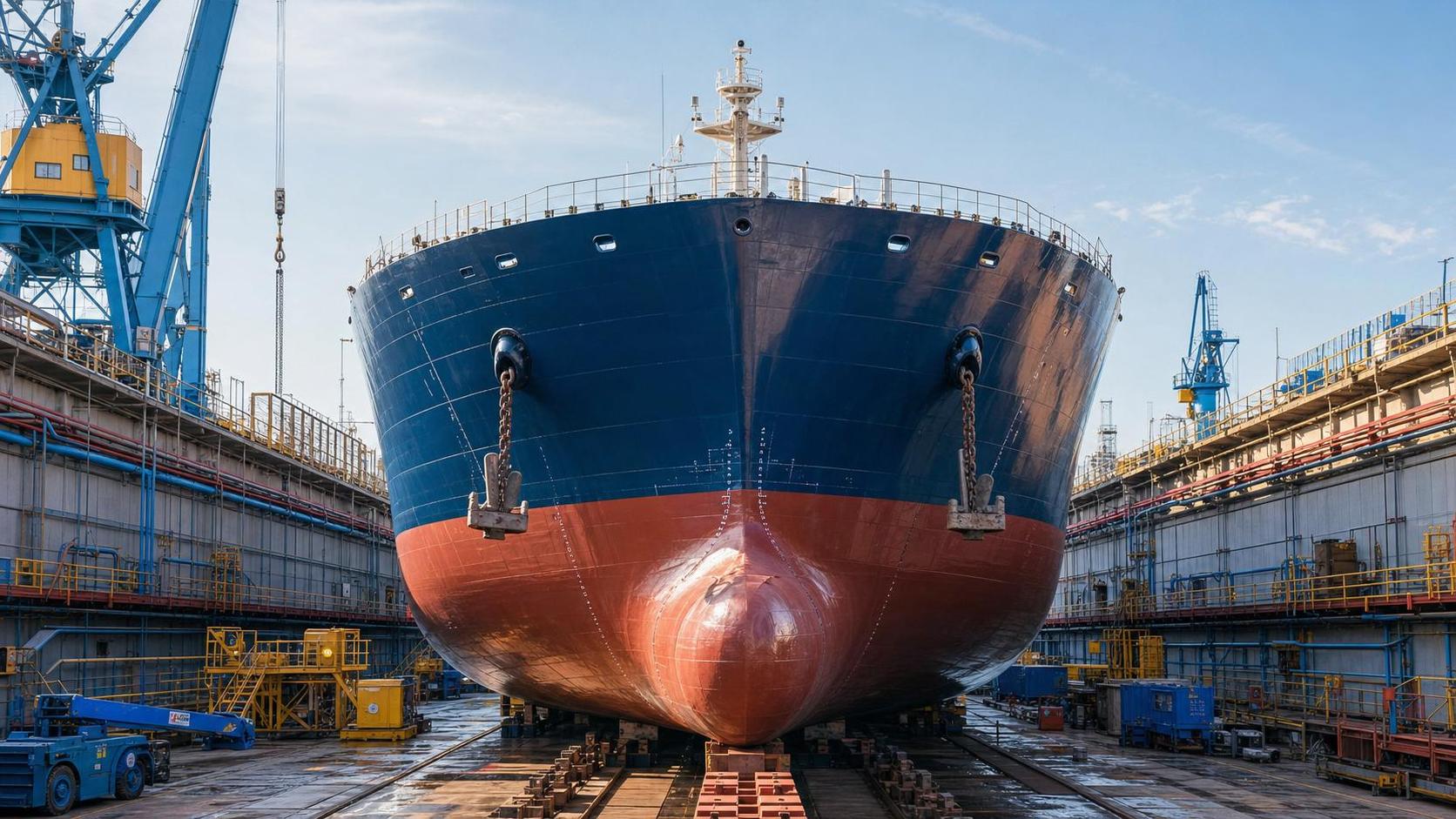
On hulls, anti-fouling performance changes the conversation further. Fouling is not cosmetic. It directly affects drag, fuel use, and dry-docking economics.
Self-Polishing Copolymer systems are often chosen when long voyage efficiency matters more than a simple static immersion rating.
A common mistake is to specify one marine coating package across splash zones, ballast tanks, and immersed hull sections without distinction.
Those areas age differently. The best protective coatings program separates them by stress intensity, repair accessibility, and required inspection interval.
Aerospace and defense surfaces need performance beyond corrosion resistance
Some environments punish the coating film before rust becomes visible.
Aircraft exteriors deal with altitude, intense UV, temperature swings, and airflow friction. Flexibility and weather retention become structural concerns.
Here, protective coatings based on advanced polyurethane chemistry are valued for gloss retention, impact tolerance, and long-term surface stability.
Military applications go further. Radar Absorbing Materials are not interchangeable with standard protective coatings because surface function includes signal behavior.
The key judgment is whether the coating is serving barrier protection alone, or also thermal, aerodynamic, or electromagnetic objectives.
If those roles are mixed, repair protocols, curing windows, and substrate preparation usually need tighter control than in general industrial painting.
High-heat equipment changes the selection rules completely
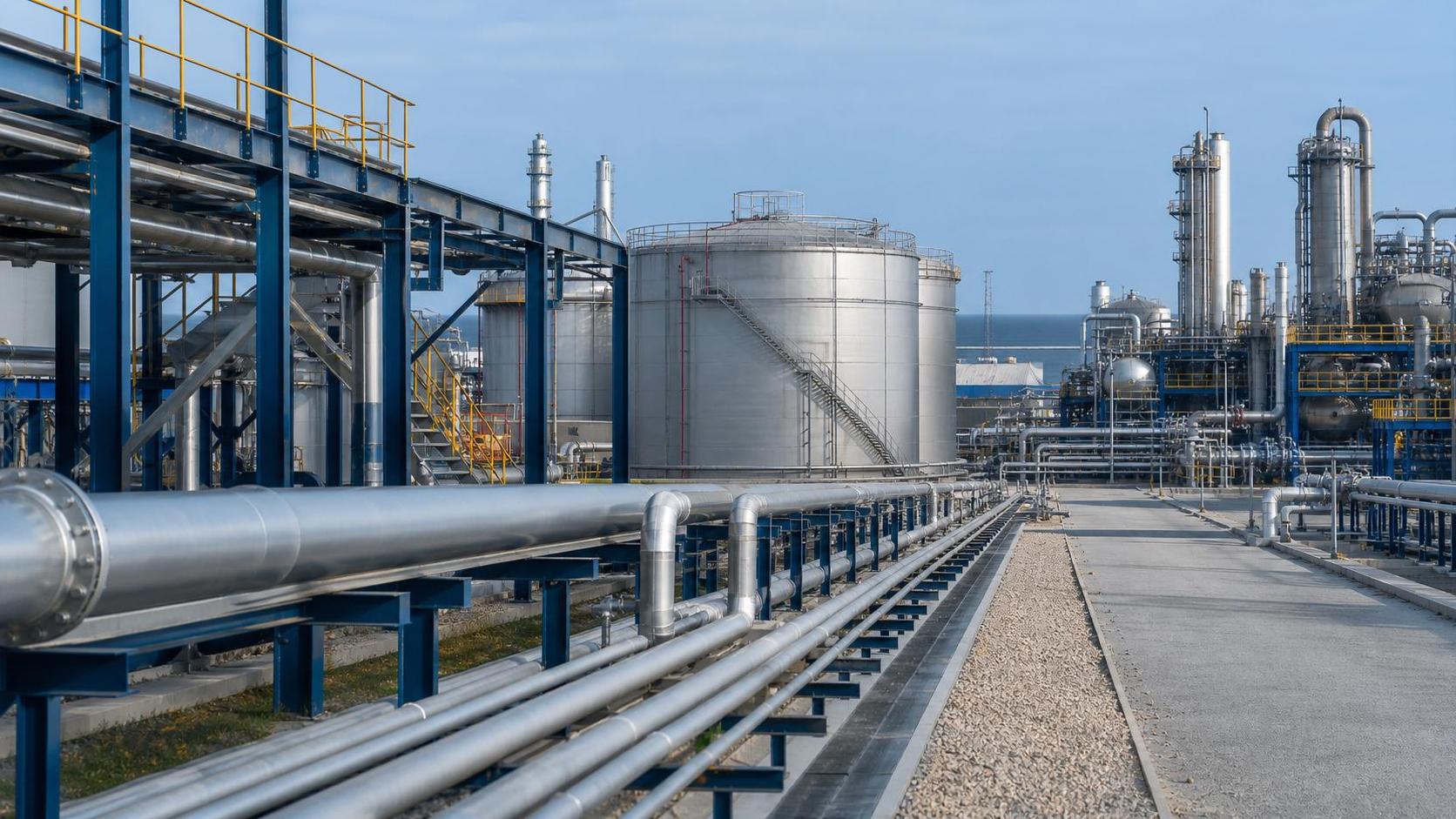
In furnaces, stacks, burners, and exhaust systems, many conventional protective coatings fail simply because the resin backbone cannot survive the temperature load.
That is why inorganic silicate and ceramic-filled systems are used in hot zones.
These coatings must do more than resist oxidation. They need to bond under thermal cycling and avoid cracking during repeated expansion and contraction.
Wear also matters. In ducts carrying particulates, erosion can remove a coating faster than heat damages it.
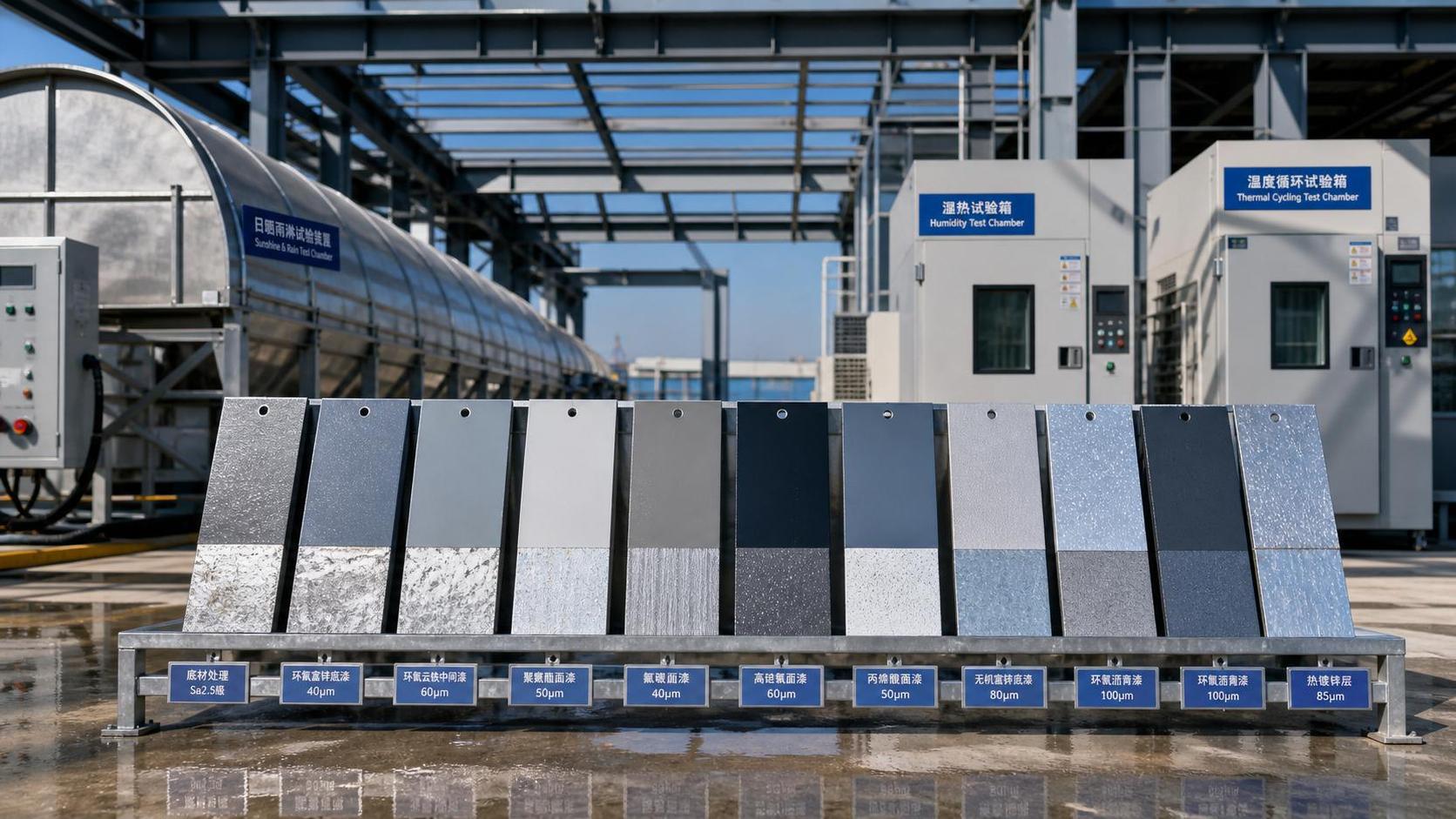
One frequent misjudgment is selecting by maximum laboratory temperature only.
Real selection should check peak temperature, continuous temperature, thermal shock frequency, substrate thickness, and shutdown repair practicality.
For bridges and public infrastructure, maintenance access often decides the right system
Infrastructure projects make lifecycle cost impossible to ignore.
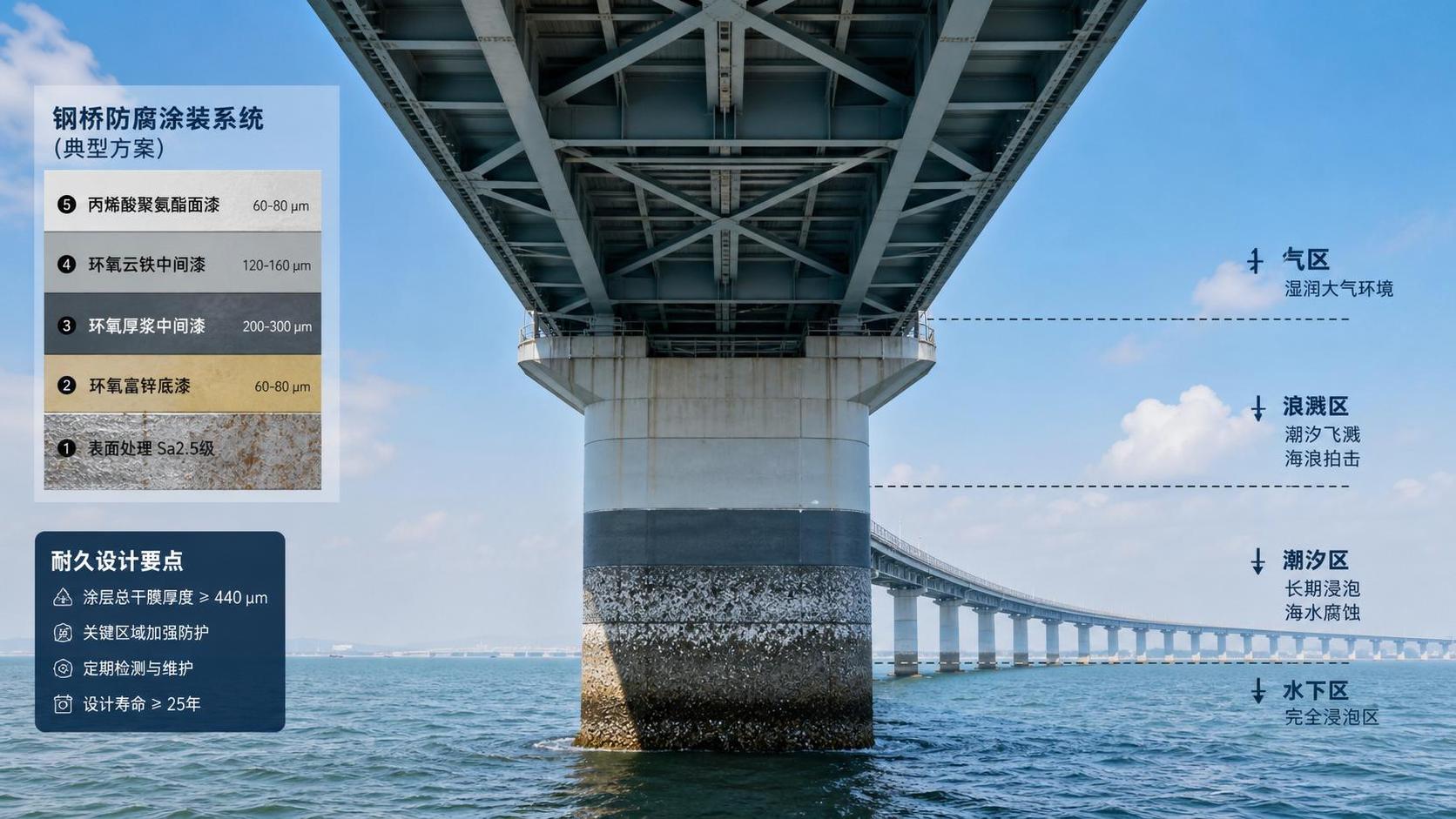
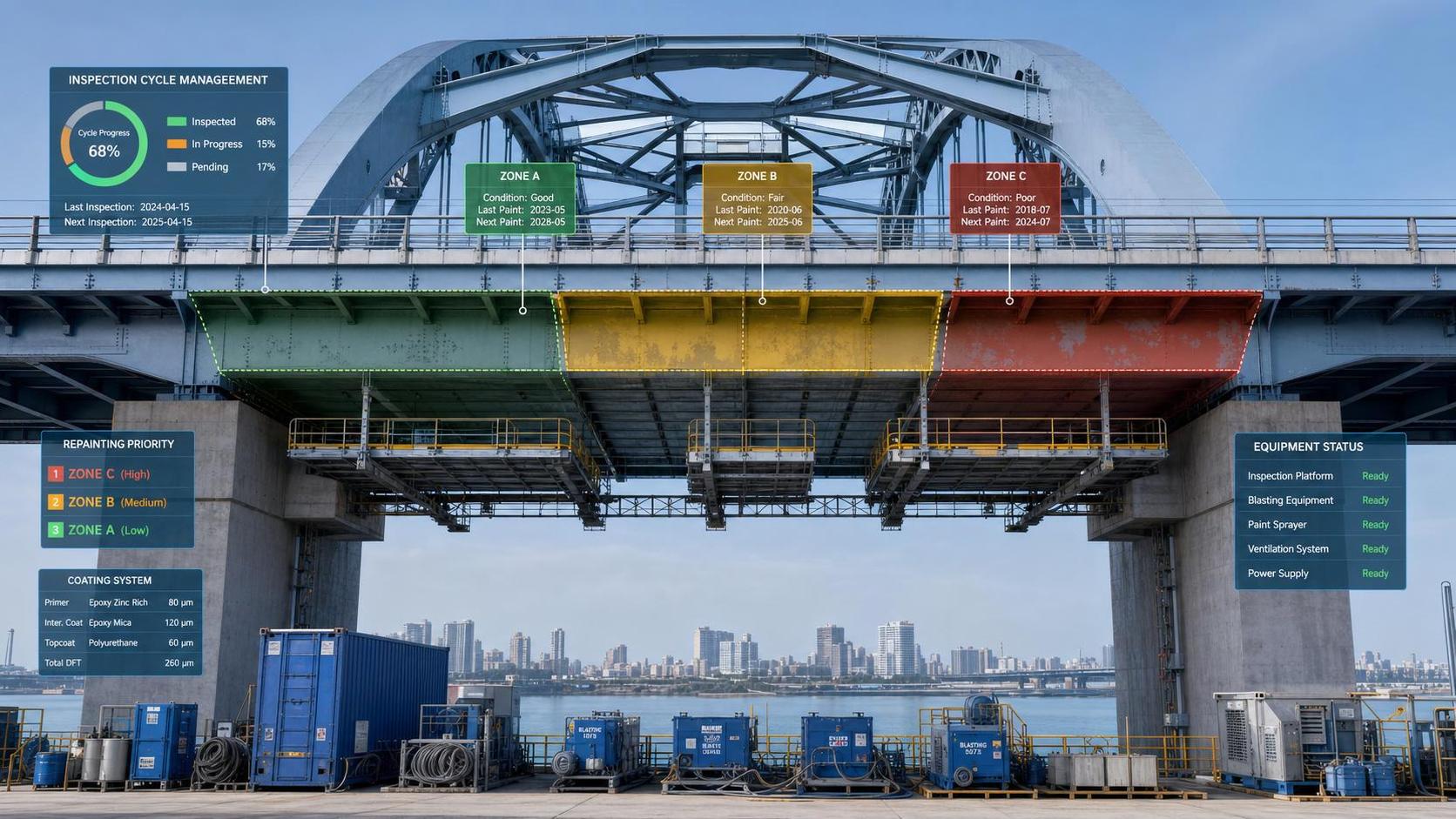
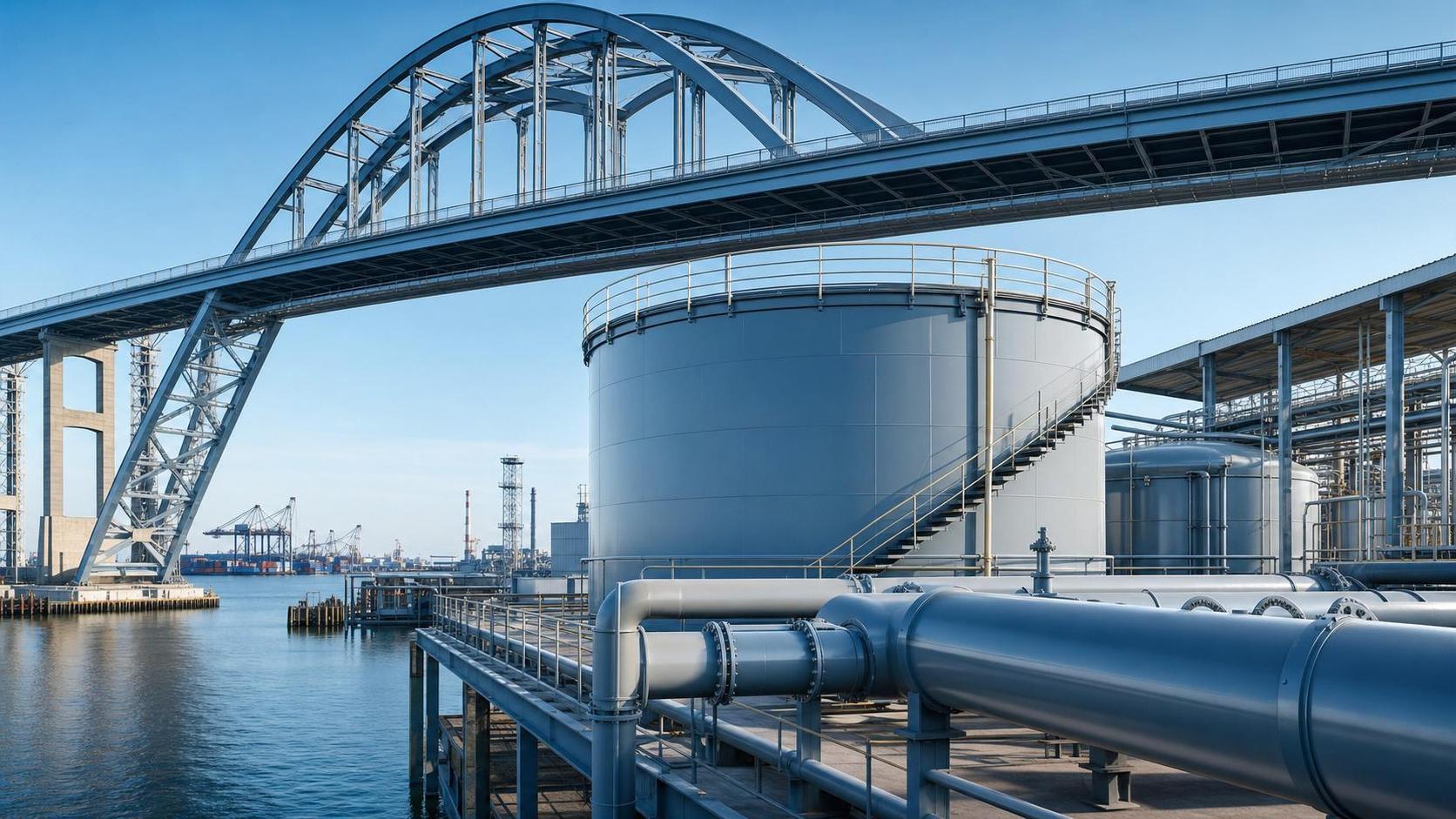
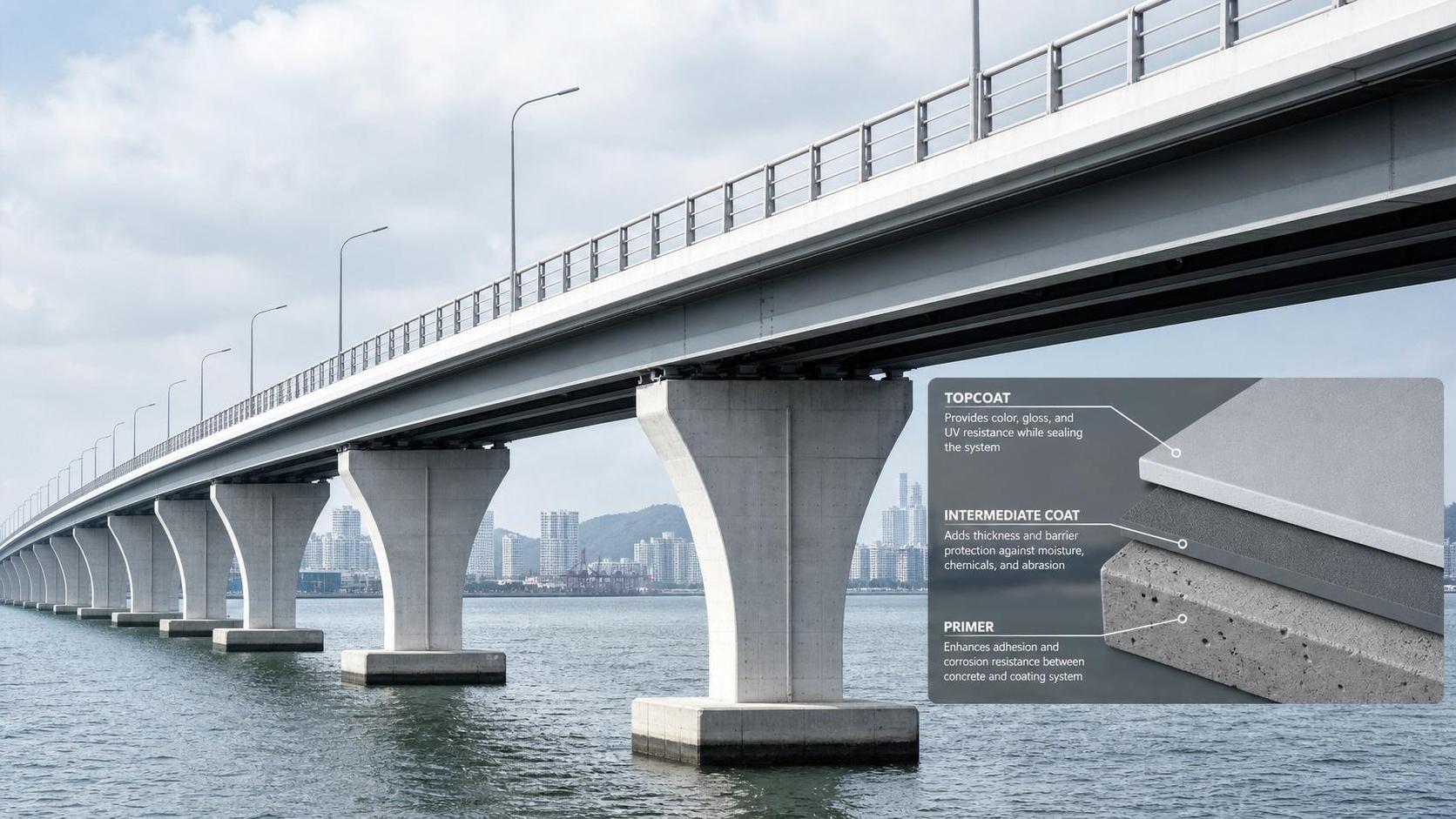
A bridge over salt water may stand for a century, but repainting access can be disruptive, dangerous, and vastly expensive.
That is why fluorocarbon protective coatings, especially PVDF-based systems, remain attractive for long-life visible structures.
Their UV resistance, chemical durability, and low surface energy help preserve both substrate protection and appearance over unusually long periods.
This is where CAPEX and OPEX should be reviewed together.
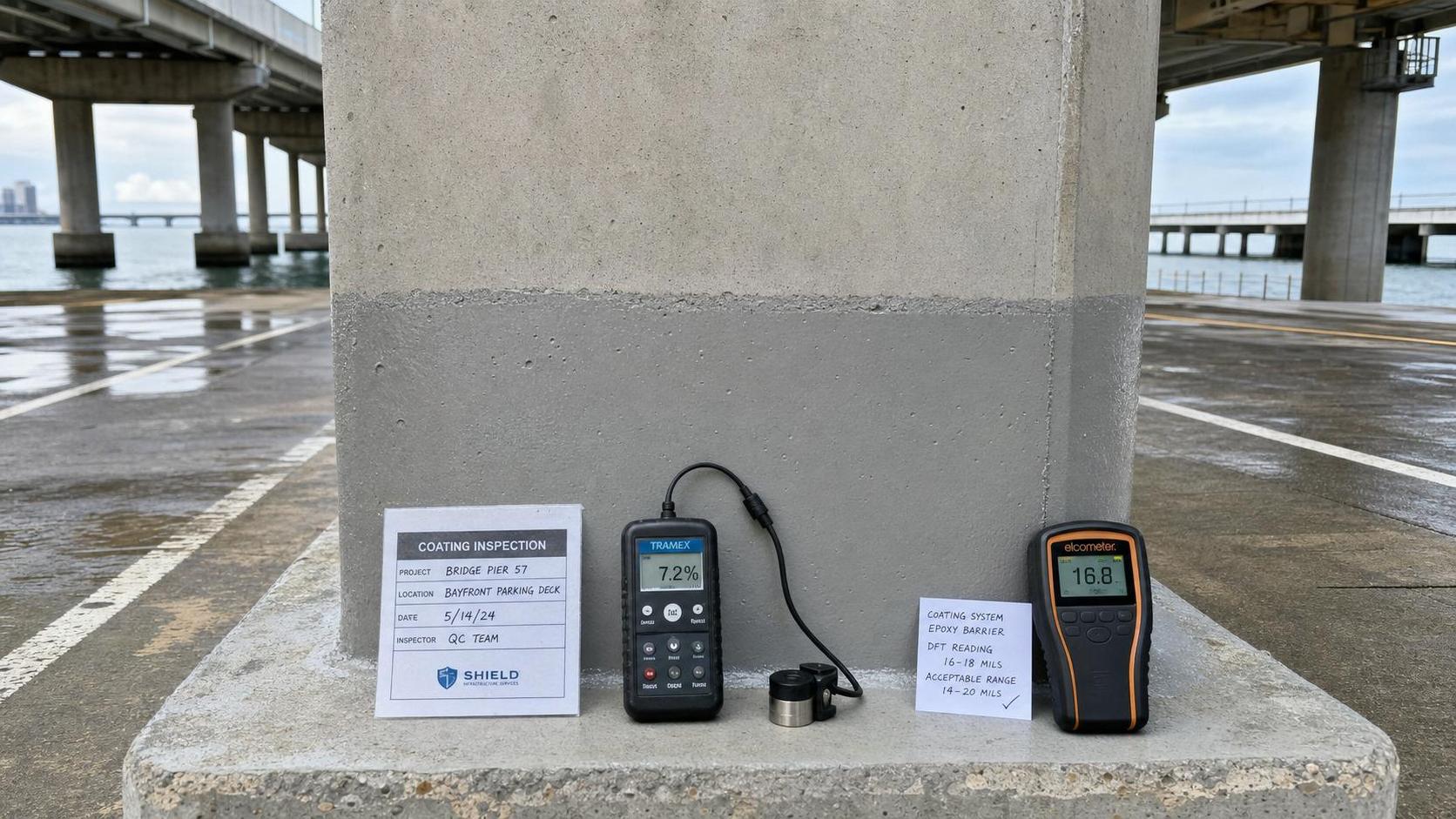
A higher upfront coating cost may still be the lower-risk choice when scaffolding, traffic interruption, or marine access dominate future repainting expense.
SPCS often frames this decision around decades, not bid-stage unit price.
The move to waterborne protective coatings is changing how lines are designed
Sustainability pressure is no longer separate from technical performance.
Waterborne protective coatings reduce VOC exposure and improve shop safety, but they are not a drop-in solution everywhere.
Humidity, flash-off conditions, substrate cleanliness, and pretreatment quality influence film formation more strongly than many teams expect.
In automotive chassis, heavy machinery, and fabricated steel, silane pretreatments are becoming increasingly relevant because they support greener corrosion protection routes.
The main judgment is whether the line can control process stability well enough for waterborne chemistry to cross-link properly.
If not, failures may be blamed on the coating, when the real issue is environmental control or pretreatment inconsistency.
Where projects often go wrong
- Choosing protective coatings by datasheet peak values without checking actual duty cycles.
- Treating coastal, immersed, and splash-zone steel as one exposure class.
- Comparing purchase price only, while ignoring shutdown, access, and recoating labor.
- Overlooking curing conditions for waterborne systems in humid facilities.
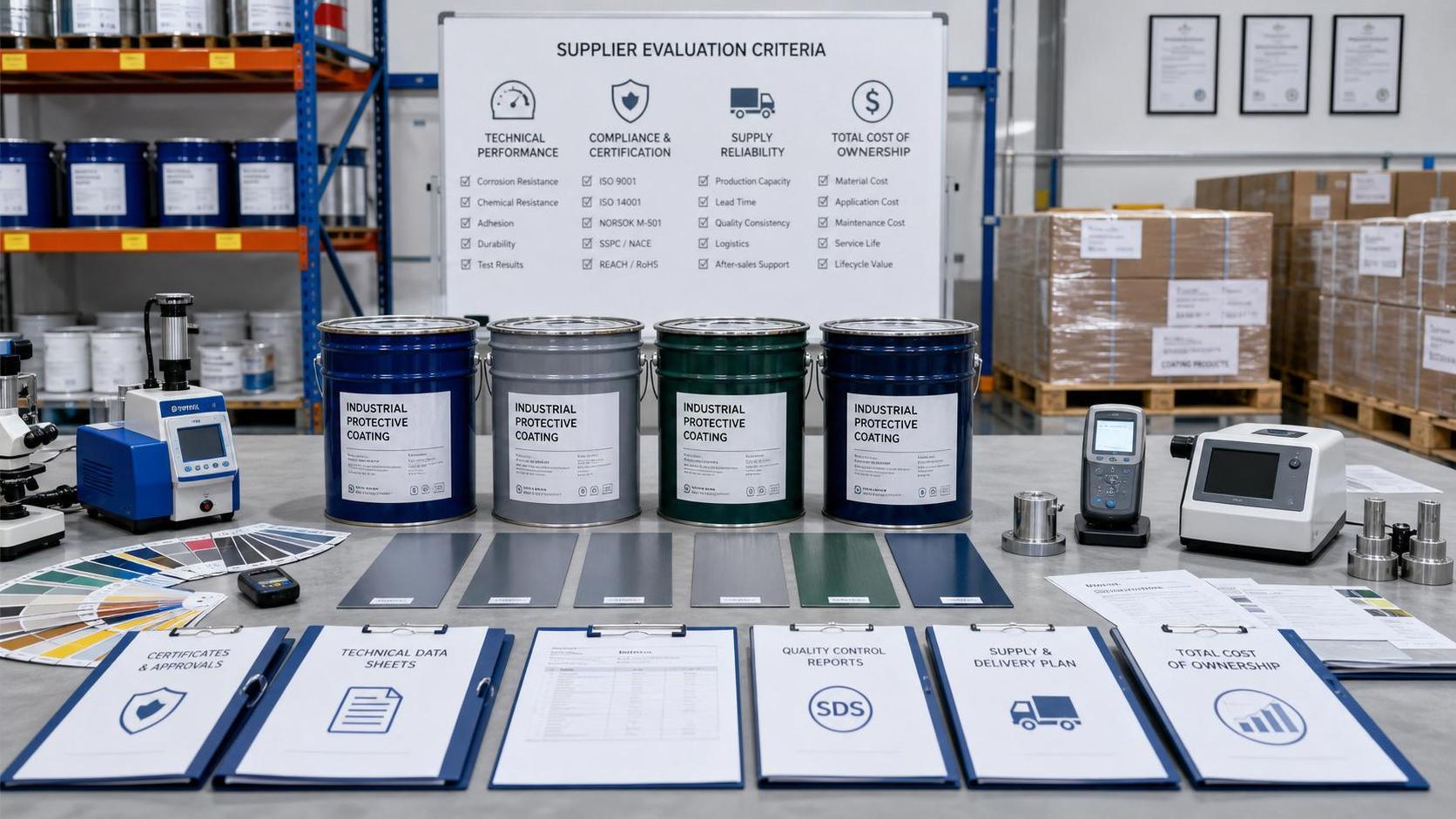
- Ignoring certification and compliance requirements such as PSPC or VOC rules until late stages.
A practical way to match protective coatings to total asset life
Useful decisions usually come from narrowing the problem in the right order.
- Map the real exposure profile: immersion, UV, heat, abrasion, chemicals, or fouling.
- Define the failure that matters most: rust creep, blistering, loss of reflectivity, erosion, or compliance risk.
- Set the target maintenance window before comparing systems.
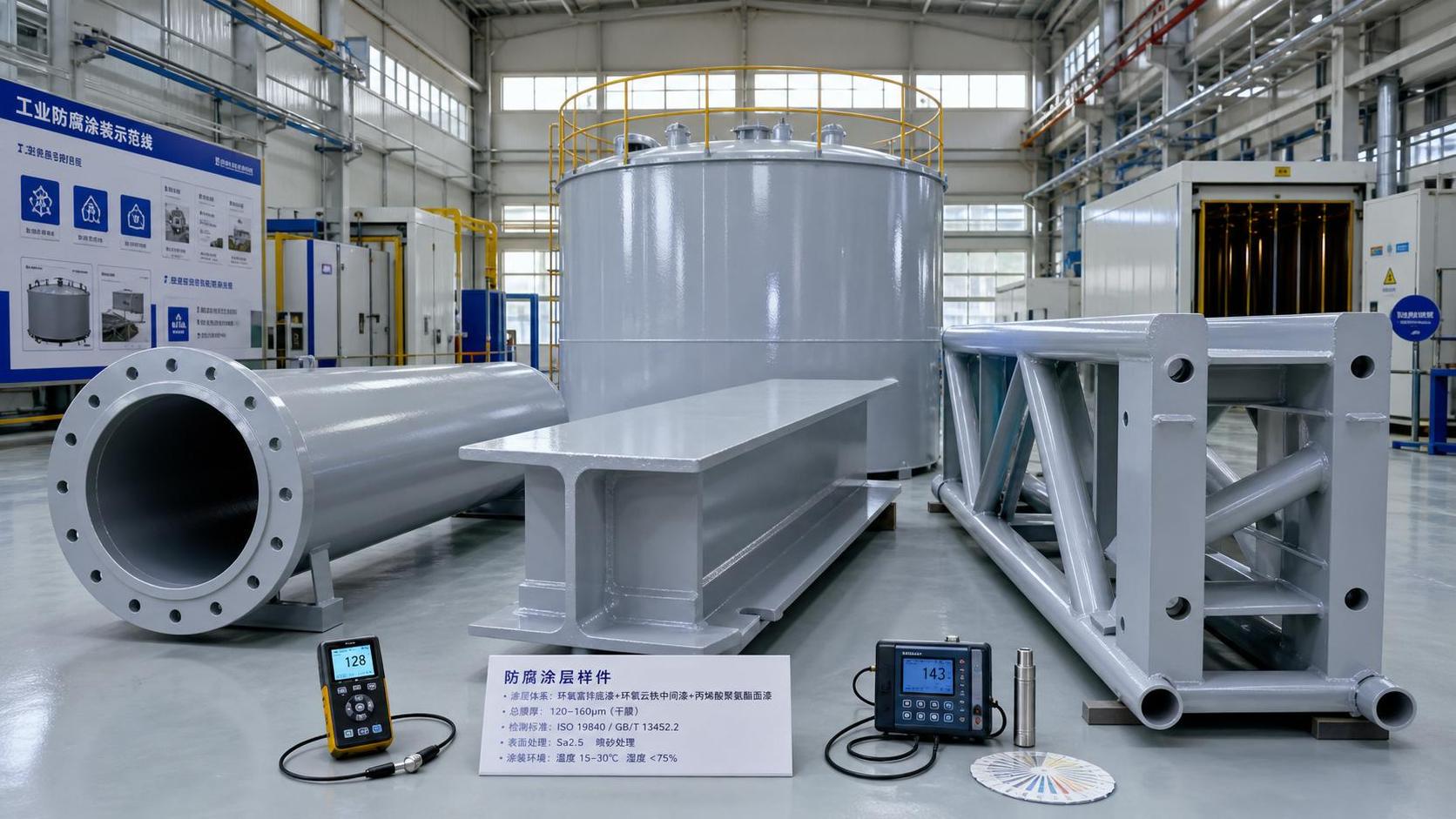
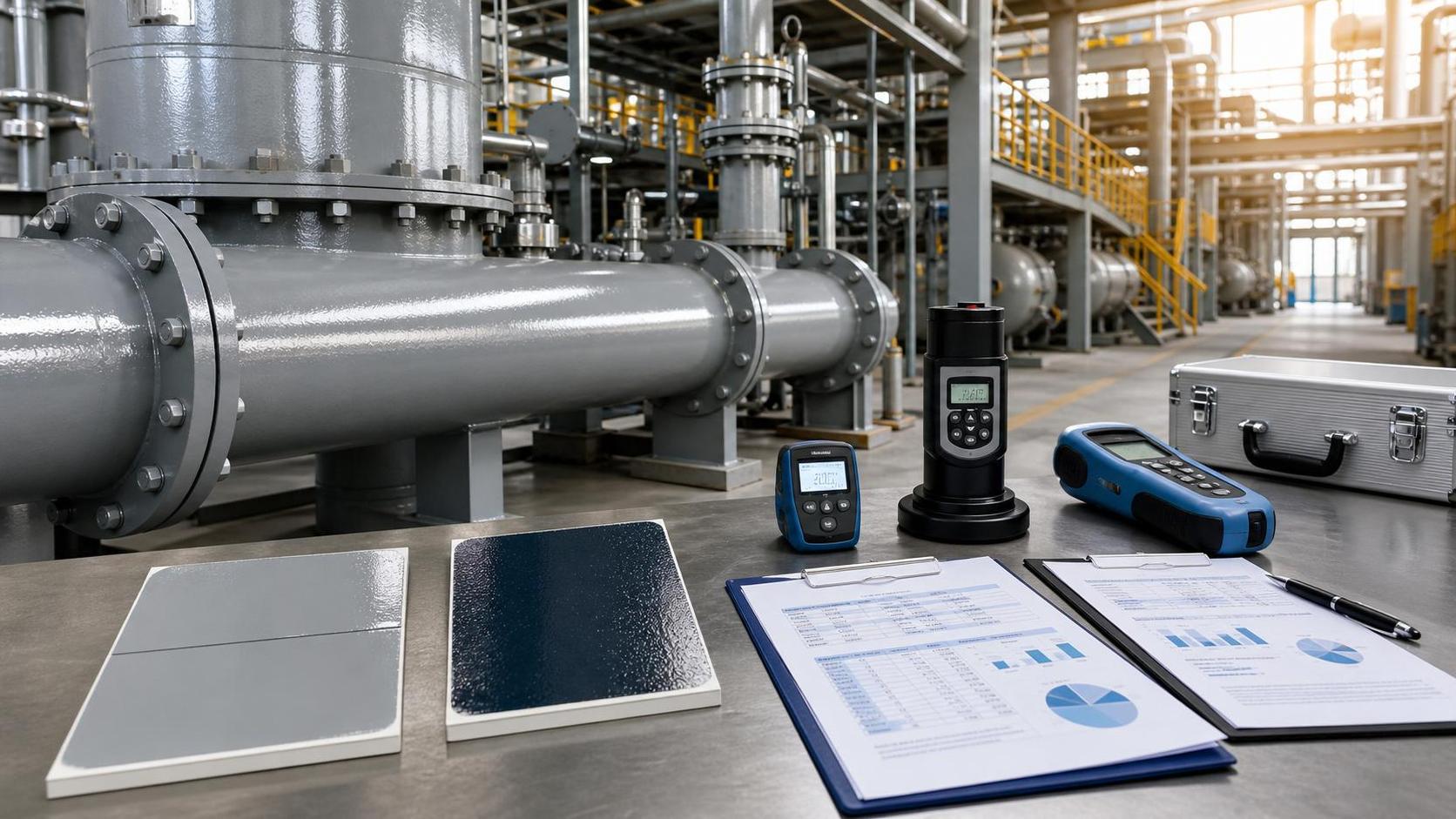
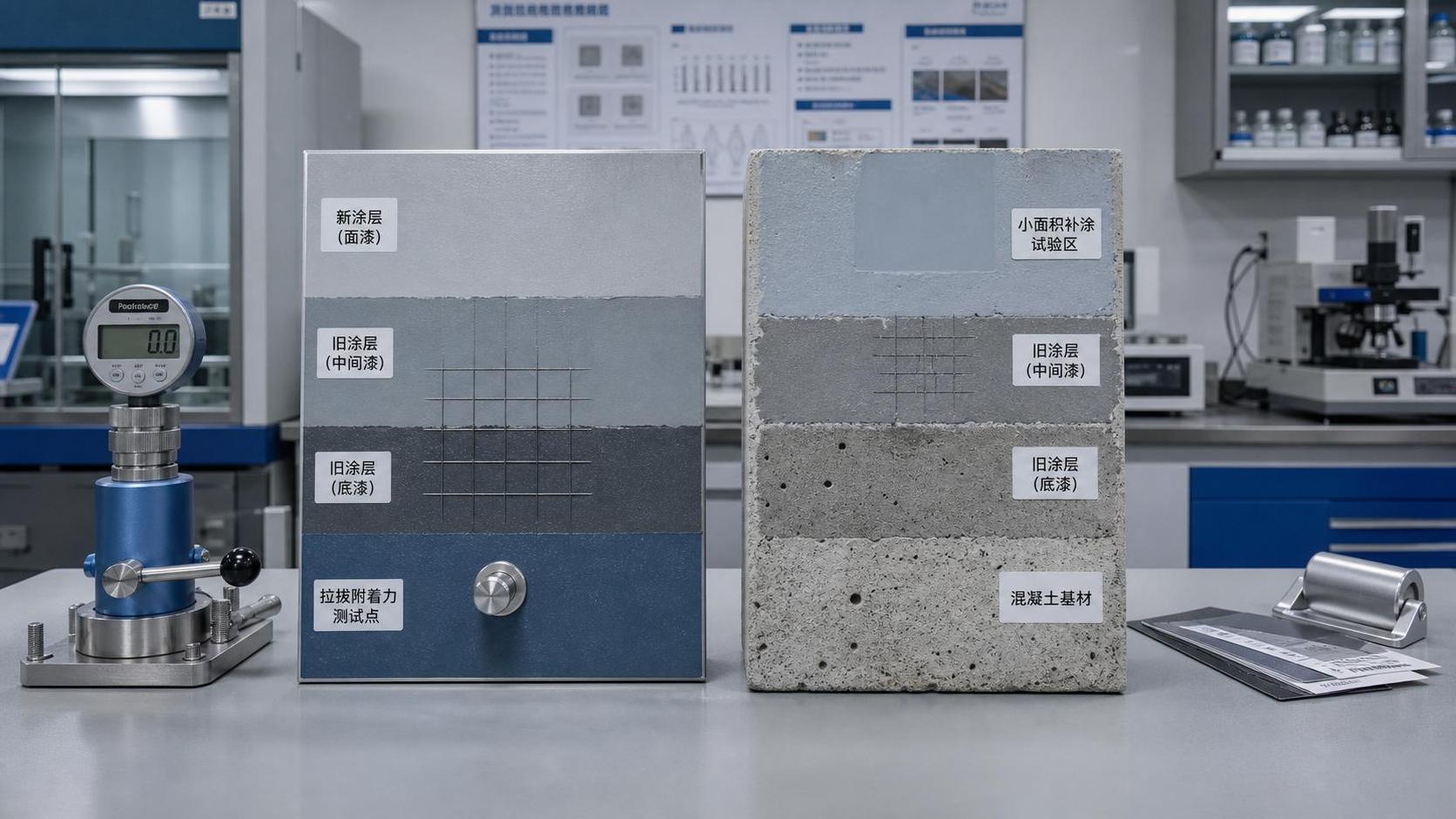
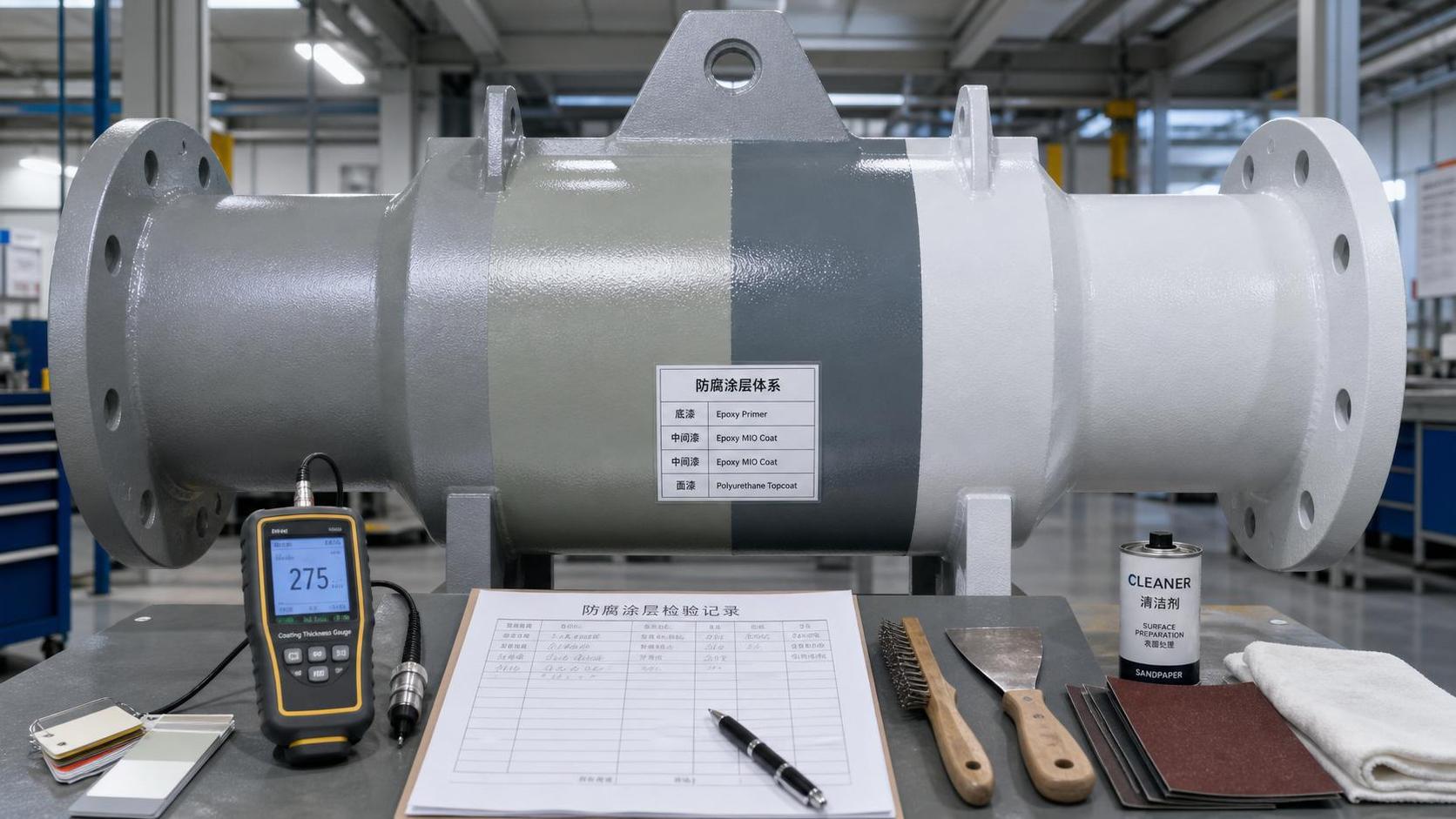
- Check substrate preparation, curing environment, and repairability on site.
- Model total cost over the intended service life, not the installation phase alone.
That approach reflects the value of SPCS intelligence.
It links chemistry, standards, and economics so protective coatings support longer asset life rather than short-term specification comfort.
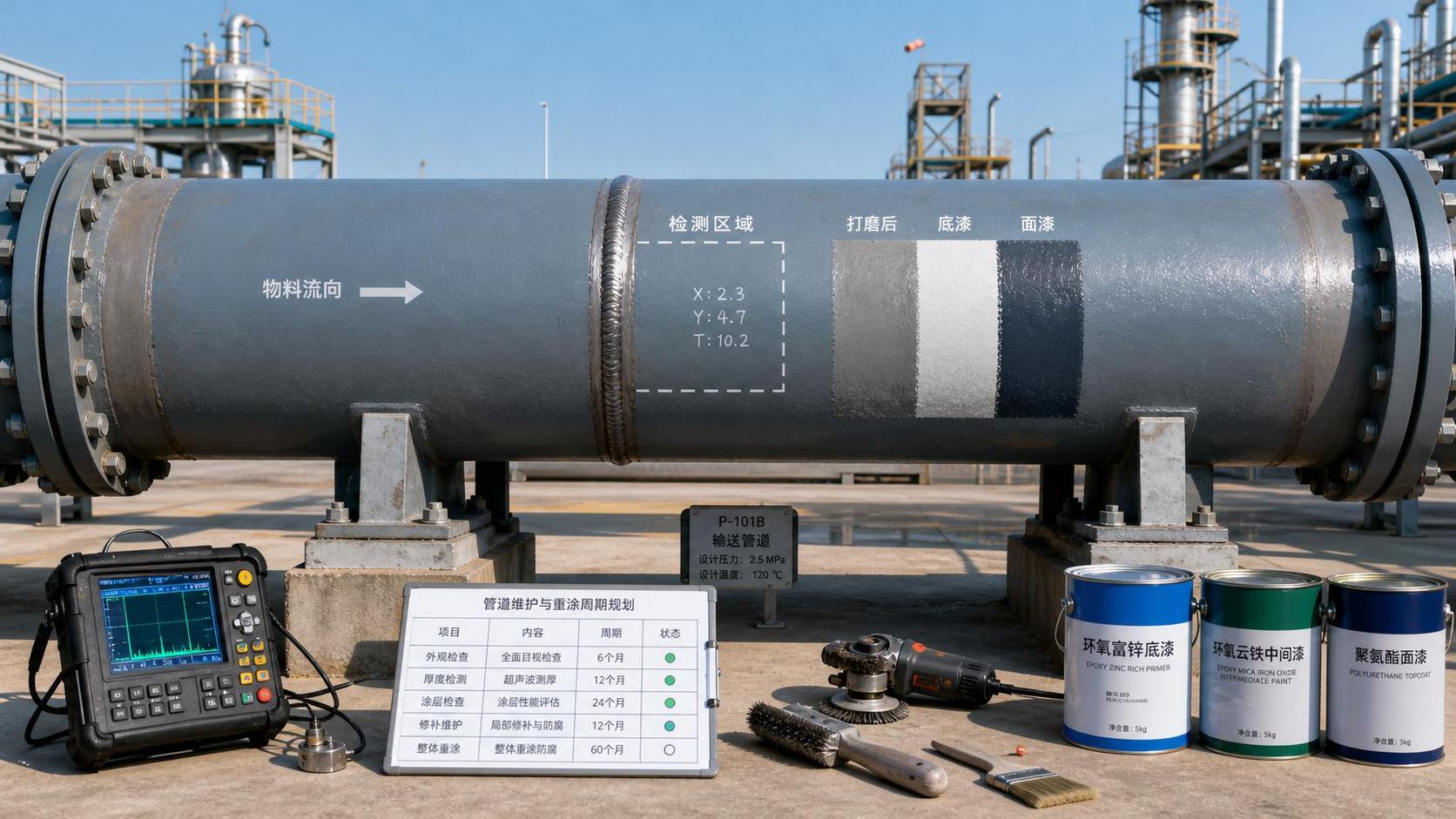
Before final selection, it is worth building a simple scene-based matrix covering environment, lifespan target, compliance limits, and maintenance access.
When those factors are visible together, the right protective coatings choice becomes much clearer, and total asset life stops being a vague ambition.
Related News
- How to Choose Industrial Maintenance Coatings for Middle East Heat, UV and CorrosionAuthor :Mr. Gideon Thorne

- Industrial Coating Systems Price: What Drives Total Cost and How to Compare QuotesAuthor :Mr. Gideon Thorne

- How to Evaluate Quick-Curing Protective Coatings for Fast-Track Industrial ProjectsAuthor :Mr. Gideon Thorne

- How to Choose Offshore Structure Protection in the UAE for Corrosion and Marine Exposure?Author :Mr. Gideon Thorne

- How to Compare Industrial Coating Systems for Steel by Corrosion, Service Life, and TCOAuthor :Mr. Gideon Thorne

- Coating Supplier Evaluation Process: 8 Checks Before Shortlisting VendorsAuthor :Mr. Gideon Thorne

- Bridge Coating Engineering Basics: Coating Systems, Exposure Zones, and Design RisksAuthor :Mr. Gideon Thorne

- What Affects Coating Film Durability? 7 Factors That Decide Service LifeAuthor :Mr. Gideon Thorne

- How to Read a Coating Durability Standard ISO Report for Outdoor Metal ProjectsAuthor :Mr. Gideon Thorne

- Coating Lifecycle Economics Analysis: How to Compare Upfront Cost vs Maintenance SavingsAuthor :Mr. Gideon Thorne

- Industrial Coatings Market Trends 2026: Demand Shifts, Raw Material Pricing, and Growth SectorsAuthor :Mr. Gideon Thorne

- Coating Compatibility Test Methods: How to Verify Adhesion Between Old and New LayersAuthor :Mr. Gideon Thorne

- Concrete Infrastructure Coating Maintenance: What Causes Early Failure and How to Prevent ItAuthor :Mr. Gideon Thorne

- How to Build a Coating Maintenance Planning Schedule for Tanks, Pipelines, and Steel StructuresAuthor :Mr. Gideon Thorne

- Bridge Coating Maintenance Planning: How to Set Inspection Cycles and Recoating PrioritiesAuthor :Mr. Gideon Thorne

- Coating Export Markets in the Middle East: Demand Trends, Buyer Priorities, and Entry RisksAuthor :Mr. Gideon Thorne

- Pipeline Coating Maintenance Strategy: How to Plan Inspection, Repair, and Recoating CyclesAuthor :Mr. Gideon Thorne

- Pipeline Coating Recoating Cycles: How to Assess Timing, Failure Risk, and Lifecycle CostAuthor :Mr. Gideon Thorne
![]()
- Coating Service Life Analysis: Which Exposure Factors Shorten Asset Protection?Author :Mr. Gideon Thorne

- Bridge Maintenance Coating: How to Reduce Repainting Cycles and Control Lifecycle CostsAuthor :Mr. Gideon Thorne

- Offshore Coating Systems Price Comparison: How to Budget by Exposure Zone and Service LifeAuthor :Mr. Gideon Thorne

- How to Use Coating Total Cost of Ownership Analysis in Capital Approval DecisionsAuthor :Mr. Gideon Thorne

- Bridge Coating Systems for Concrete Bridges: Which Layers Matter Most for Service Life?Author :Mr. Gideon Thorne

- Industrial Maintenance Coatings Specification: Key Items to Review Before ApprovalAuthor :Mr. Gideon Thorne

- What to Include in a Coating Supplier Evaluation Scorecard Beyond PriceAuthor :Mr. Gideon Thorne

- How to Evaluate Coating Weathering Performance and UV Resistance for Outdoor SteelAuthor :Mr. Gideon Thorne

- Coating Distribution Channels Explained: How Manufacturers Build Protective Coatings SalesAuthor :Mr. Gideon Thorne

- How to Evaluate Protective Coatings in the United Kingdom for Compliance, Durability, and SupplyAuthor :Mr. Gideon Thorne

- Coating Maintenance Strategy: How to Reduce Rework, Downtime, and Lifecycle CostAuthor :Mr. Gideon Thorne

- Industrial Maintenance Coatings for Corrosion Resistance: Best Systems for Harsh EnvironmentsAuthor :Mr. Gideon Thorne

- Coating Film Durability Standards Explained: Which Tests Matter for Service Life Decisions?Author :Mr. Gideon Thorne

- How to Evaluate Coating Performance with Dry Film Thickness: Key Metrics and Test MethodsAuthor :Mr. Gideon Thorne

- Shipyard Coating Solutions for Dry Dock: How to Choose by Surface, Exposure, and Turnaround TimeAuthor :Mr. Gideon Thorne

- Coating Film Durability Test Methods: How to Compare Abrasion, Impact, and Weathering ResultsAuthor :Mr. Gideon Thorne

- Coating Maintenance Planning Offshore: How to Build Inspection and Recoat IntervalsAuthor :Mr. Gideon Thorne

- Coating Supplier Evaluation Scorecard: Key Criteria for Quality, Lead Time, and ComplianceAuthor :Mr. Gideon Thorne