



Industrial Paints: 2026 Cost vs Service Life




Industrial paints in 2026 are judged by lifetime economics, not drum price
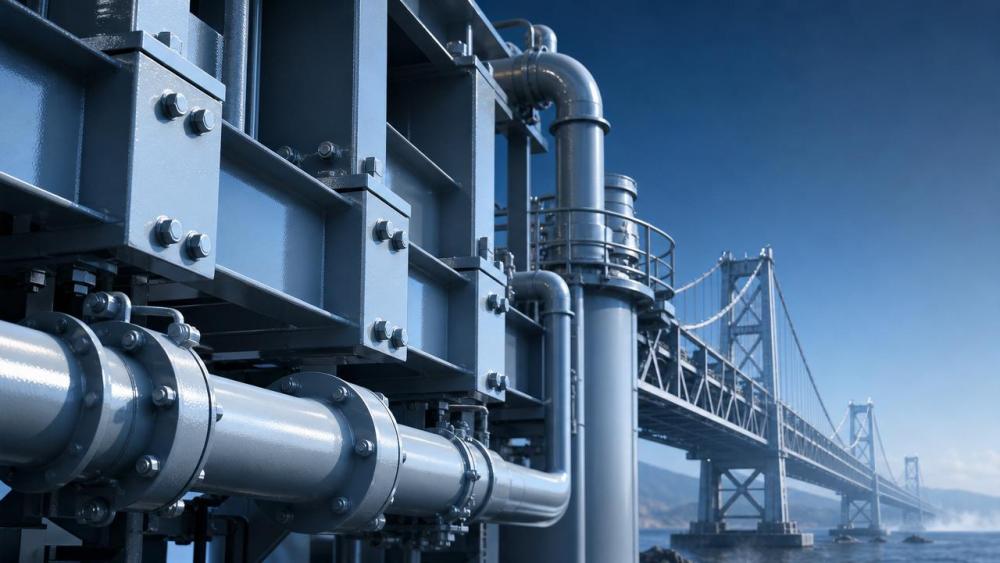
In heavy industry, industrial paints protect far more than appearance. They defend uptime, regulatory continuity, and the asset value of steel, aluminum, and concrete-linked systems.
That is why 2026 cost discussions have shifted. The useful comparison is no longer cheap coating versus premium coating. It is short-cycle maintenance versus long-cycle protection.
A lower initial coating budget may still create a higher total spend. Shutdown labor, access equipment, lost output, corrosion repair, and compliance exposure often exceed the paint invoice.
SPCS follows this issue through a practical lens. Its work connects electrochemical corrosion, polymer cross-linking, VOC compliance, and lifecycle finance across marine, aerospace, infrastructure, thermal, and waterborne applications.
In real projects, industrial paints behave differently because environments fail coatings in different ways. Chlorides, UV, heat, abrasion, humidity, and maintenance access do not create equal risk.
Actual selection starts with why the service environment changes the value equation
Two coatings can share similar datasheet thickness and still deliver very different service life. The missing variable is usually the field condition, not the brochure claim.
Marine splash zones punish coatings through chloride loading, wet-dry cycling, and impact. A bridge girder faces UV, acid rain, and access difficulty. An exhaust line faces thermal shock instead.
This matters because industrial paints earn their return in different ways. Some reduce corrosion loss. Some delay shutdowns. Some avoid scaffolding. Some reduce VOC-related process constraints.
A practical review usually asks four questions:
- What is the dominant failure driver: corrosion, fouling, UV, heat, or abrasion?
- How expensive is access for future repainting?
- Which standards or emissions rules could restrict product choice?
- Is the substrate stable, hot, immersed, or exposed to mechanical damage?
Once those answers are clear, the 2026 cost versus service life discussion becomes less emotional and more measurable.
Marine assets usually justify higher-cost industrial paints faster than land-based equipment
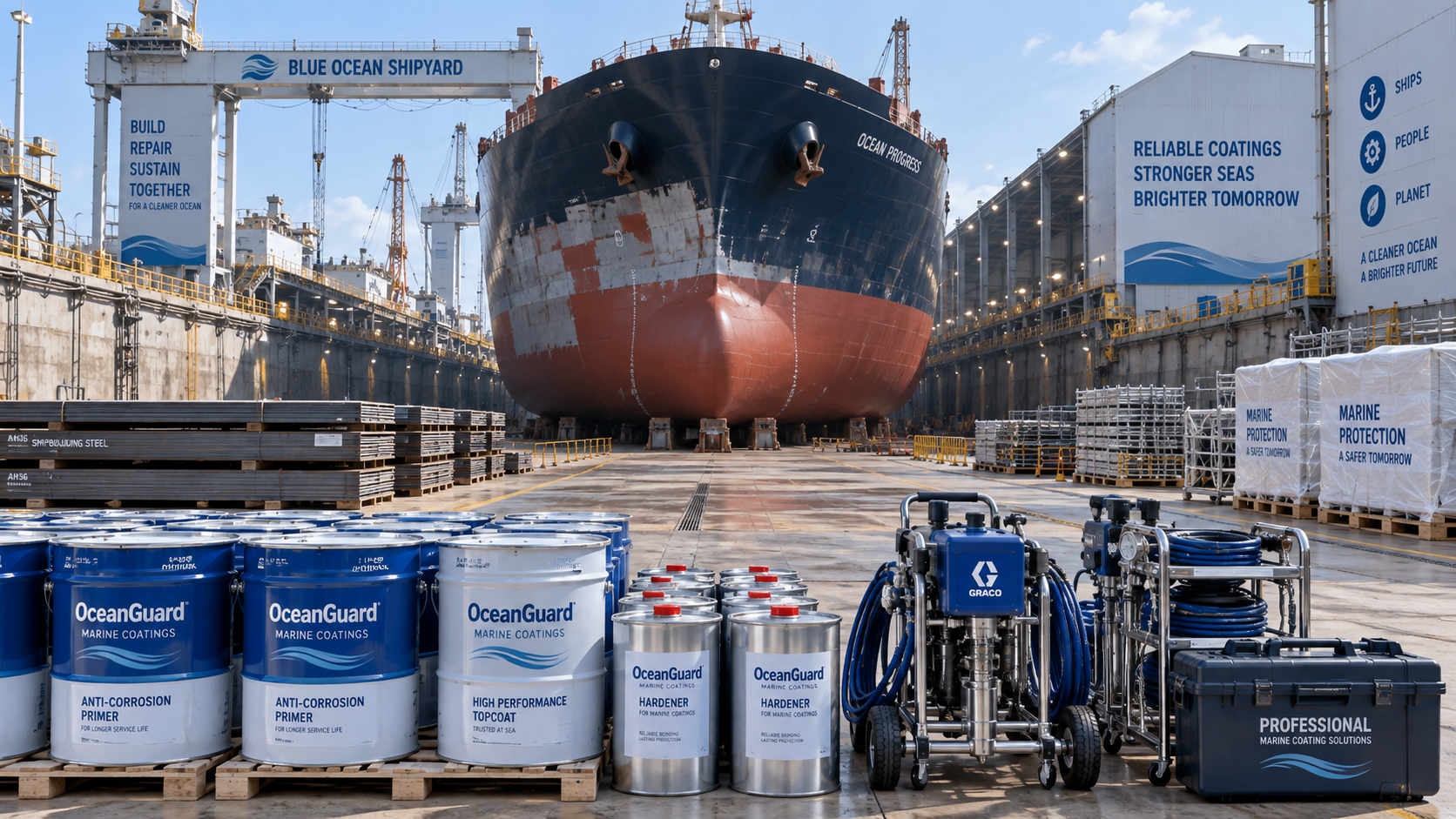
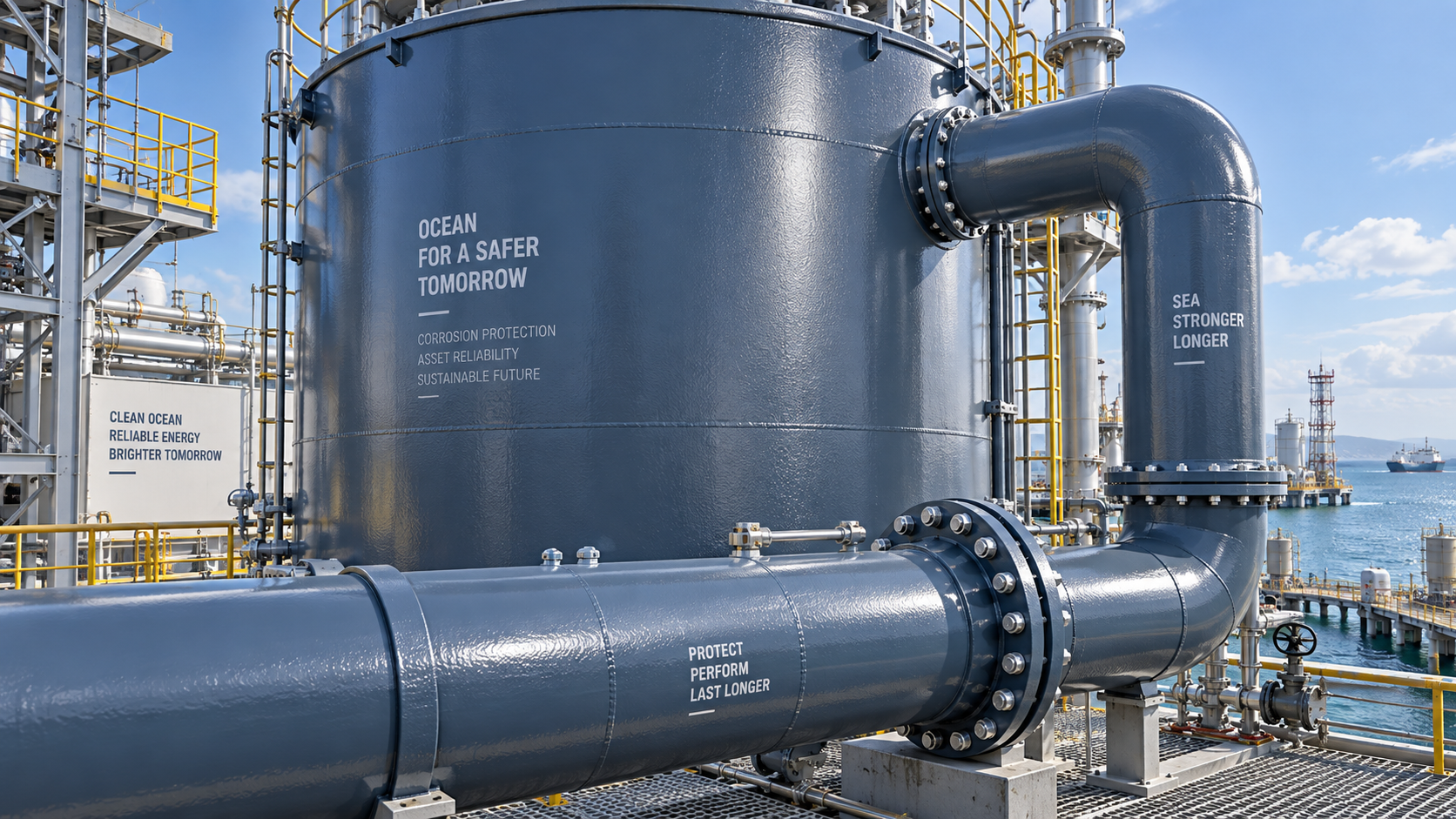
In saltwater service, industrial paints are fighting a constant electrochemical attack. Chloride ions find coating defects quickly, especially around edges, welds, and damaged zones.
Here, zinc-rich epoxy primers often justify their price because they sacrifice themselves before steel does. That mechanism matters more than a low material cost per liter.
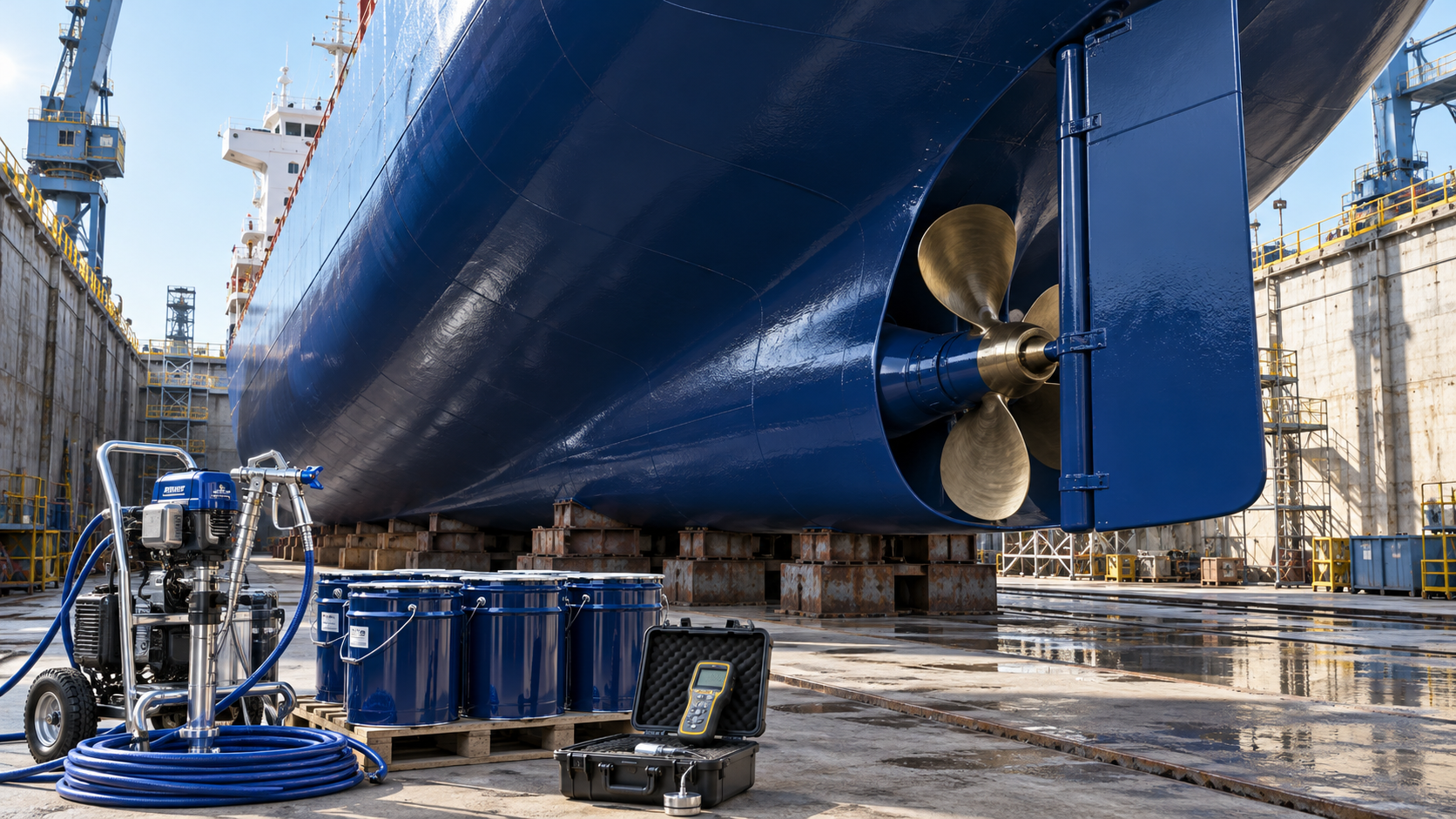
Hull systems add another layer of economics. Self-polishing copolymer antifouling coatings do not only reduce marine growth. They also influence fuel burn through drag reduction.
In this setting, service life is not just years until rust. It includes how long the coating preserves hydrodynamic efficiency and keeps dry-docking intervals under control.
A common mistake is treating all seawater exposure as equal. Ballast tanks, underwater hulls, deck structures, and splash zones require different industrial paints and inspection logic.
Where marine coating decisions usually turn
- Splash zones favor systems built for severe cycling and impact resistance.
- Immersed sections prioritize barrier integrity and antifouling behavior.
- Tank interiors must align with PSPC or cargo-specific standards.
- Repair economics depend heavily on docking windows and surface preparation quality.
Infrastructure projects often reward the longest maintenance cycle, not the lowest installed cost
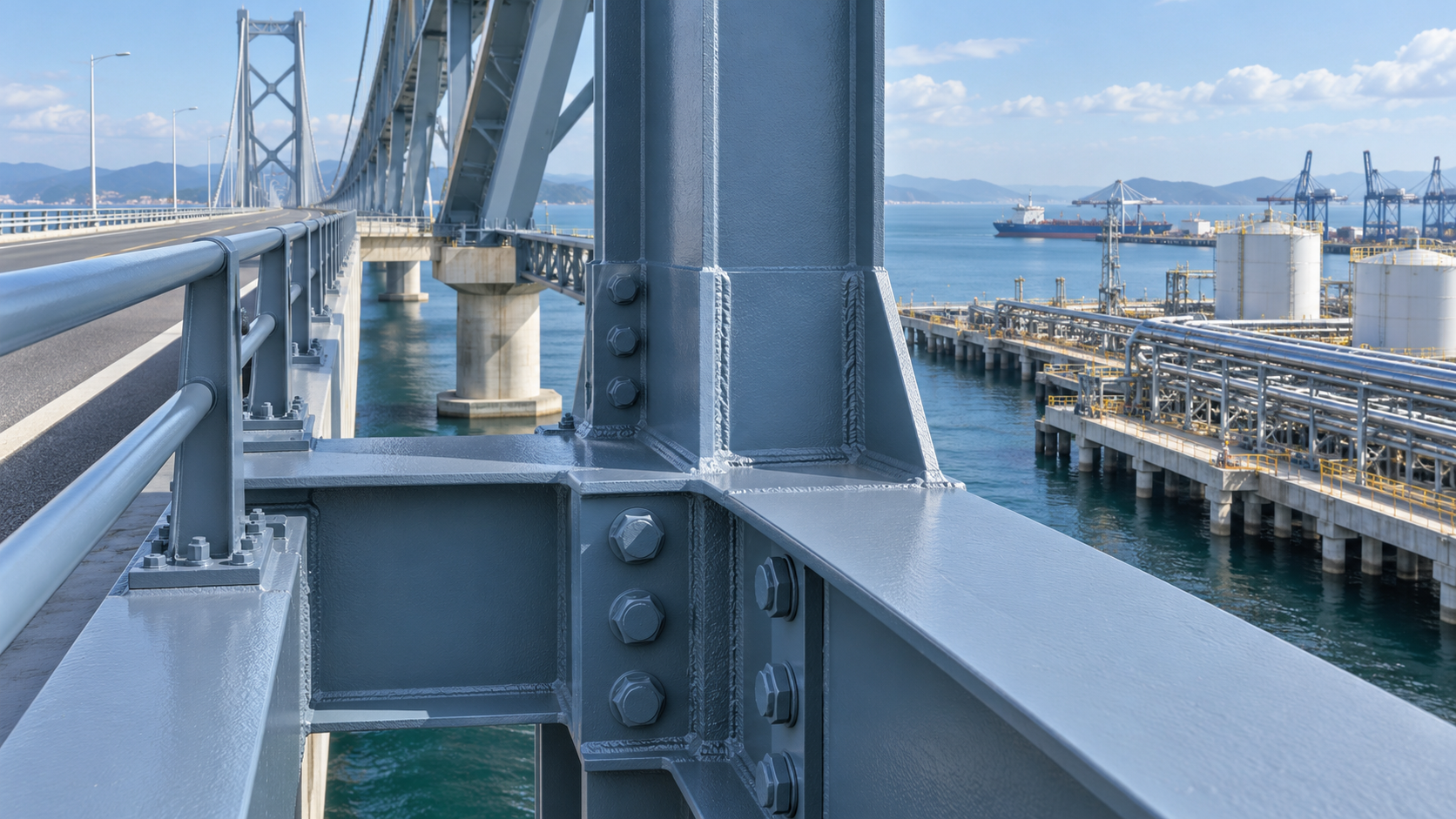
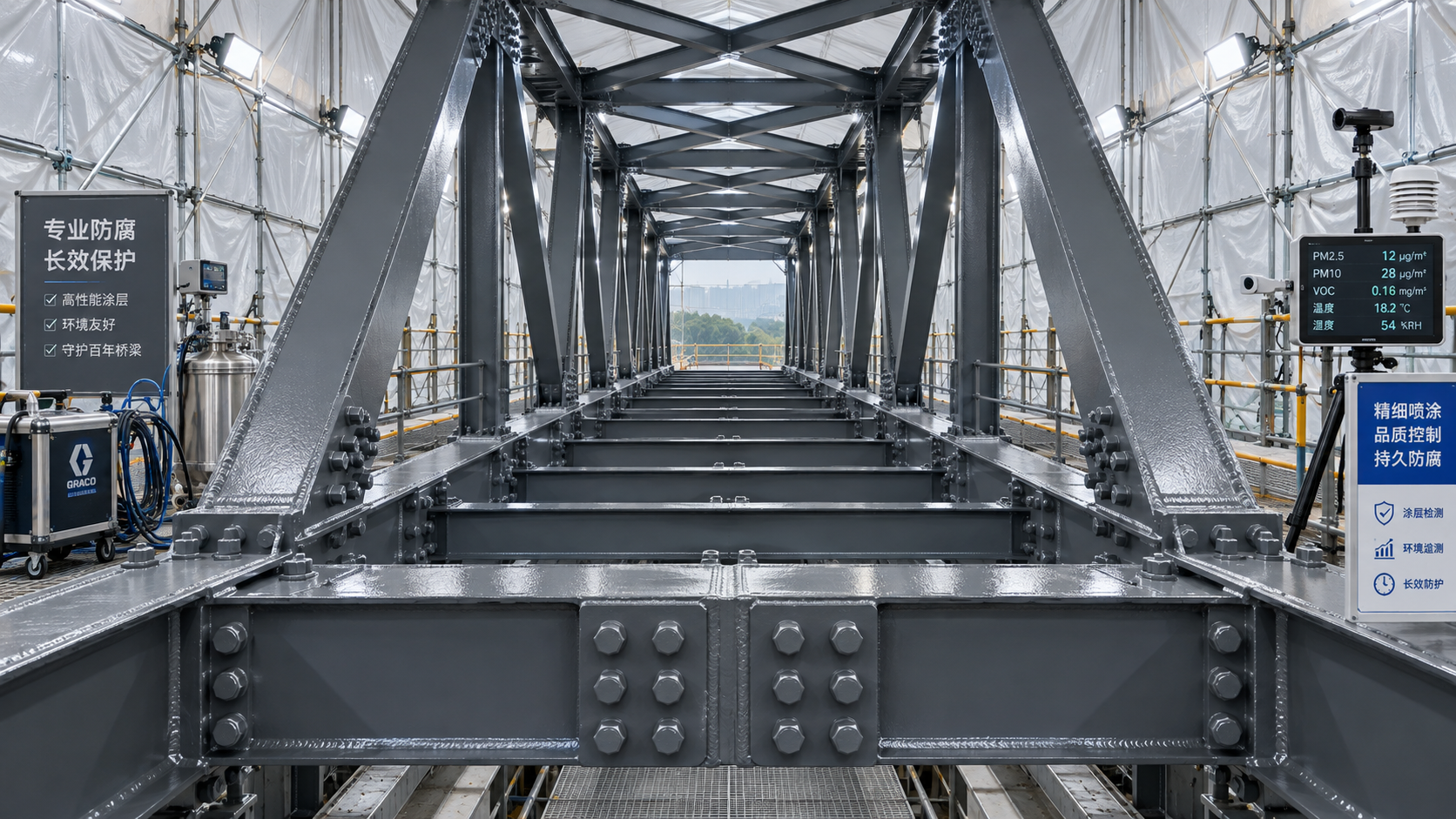
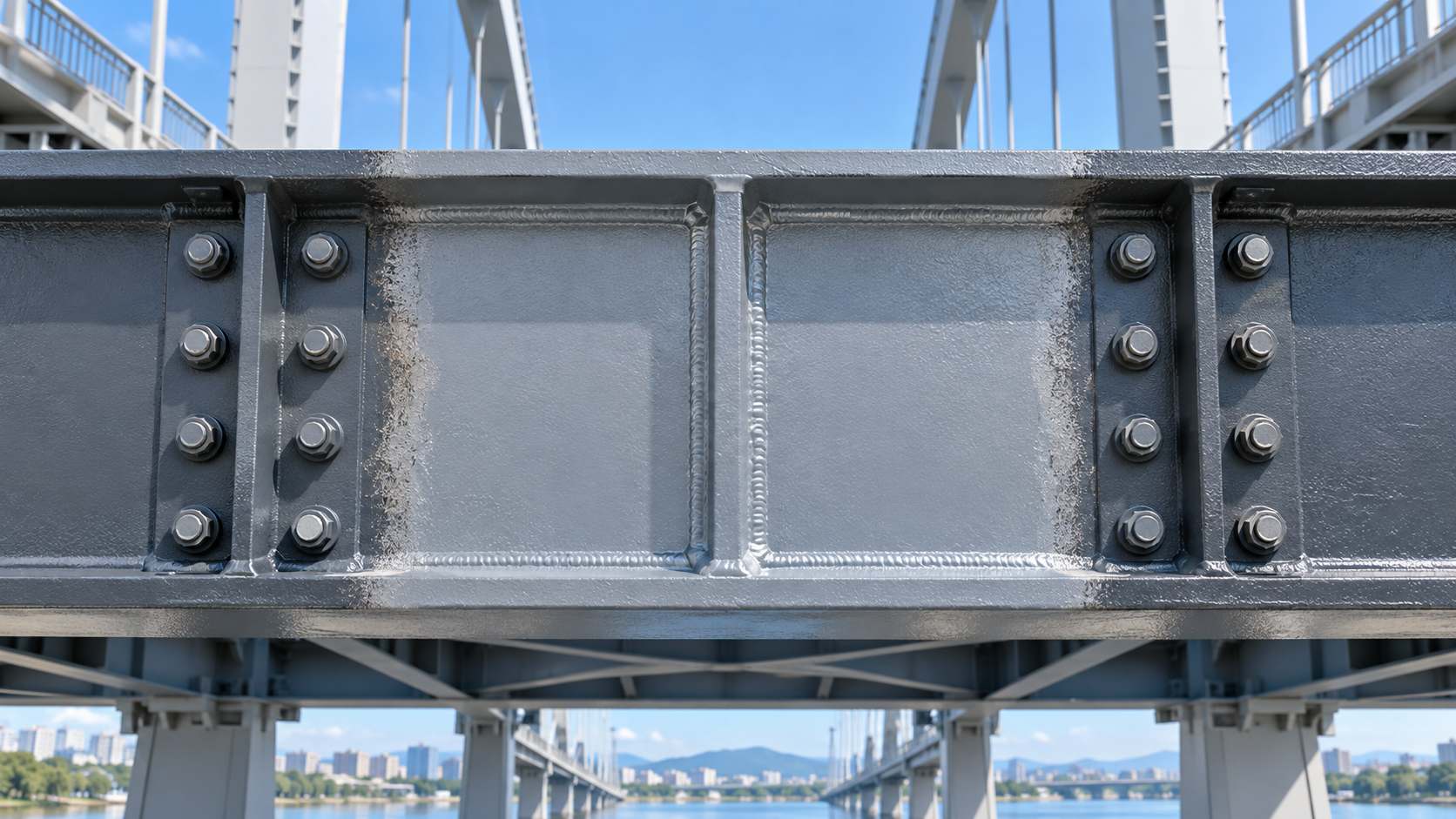
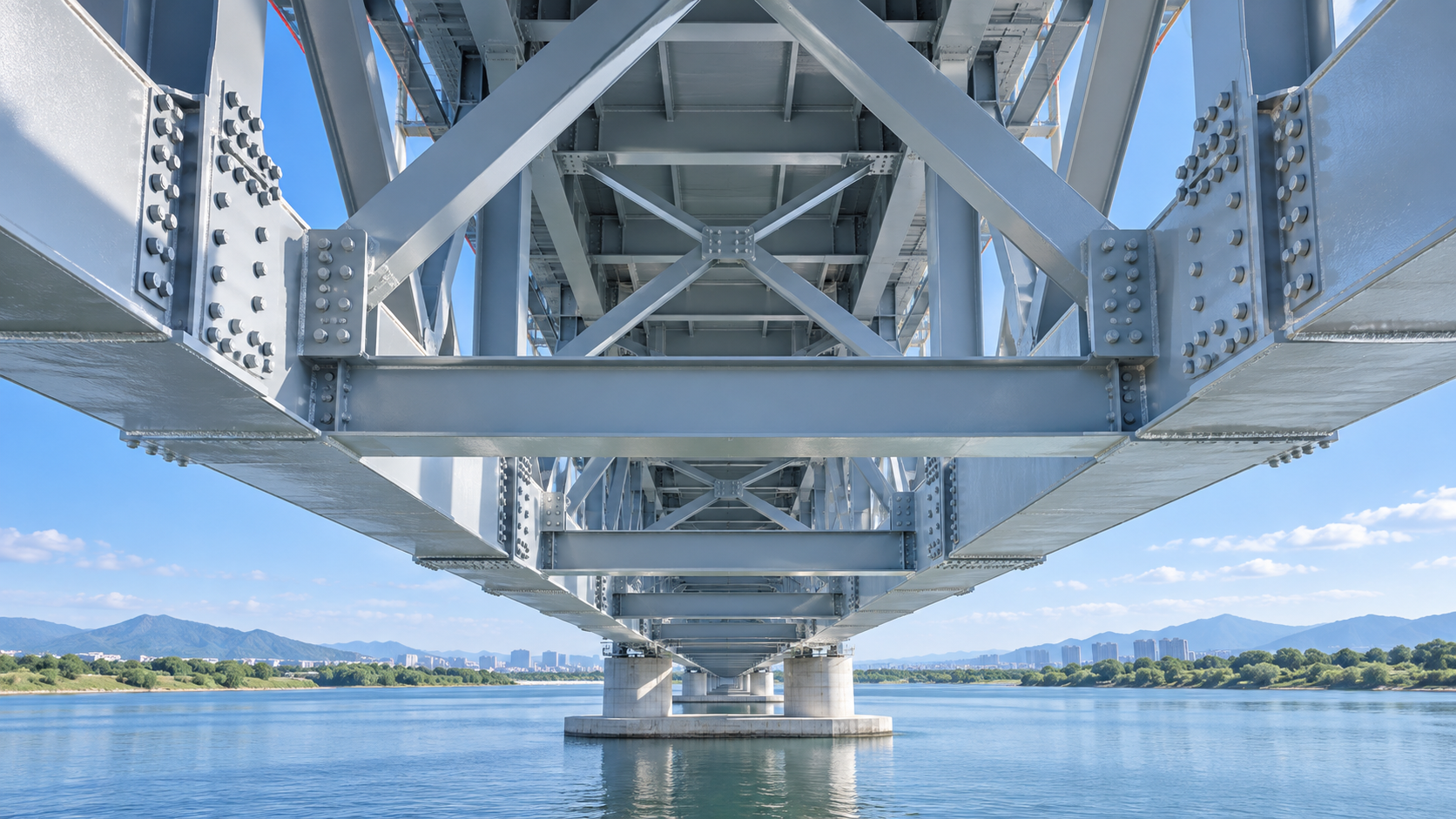
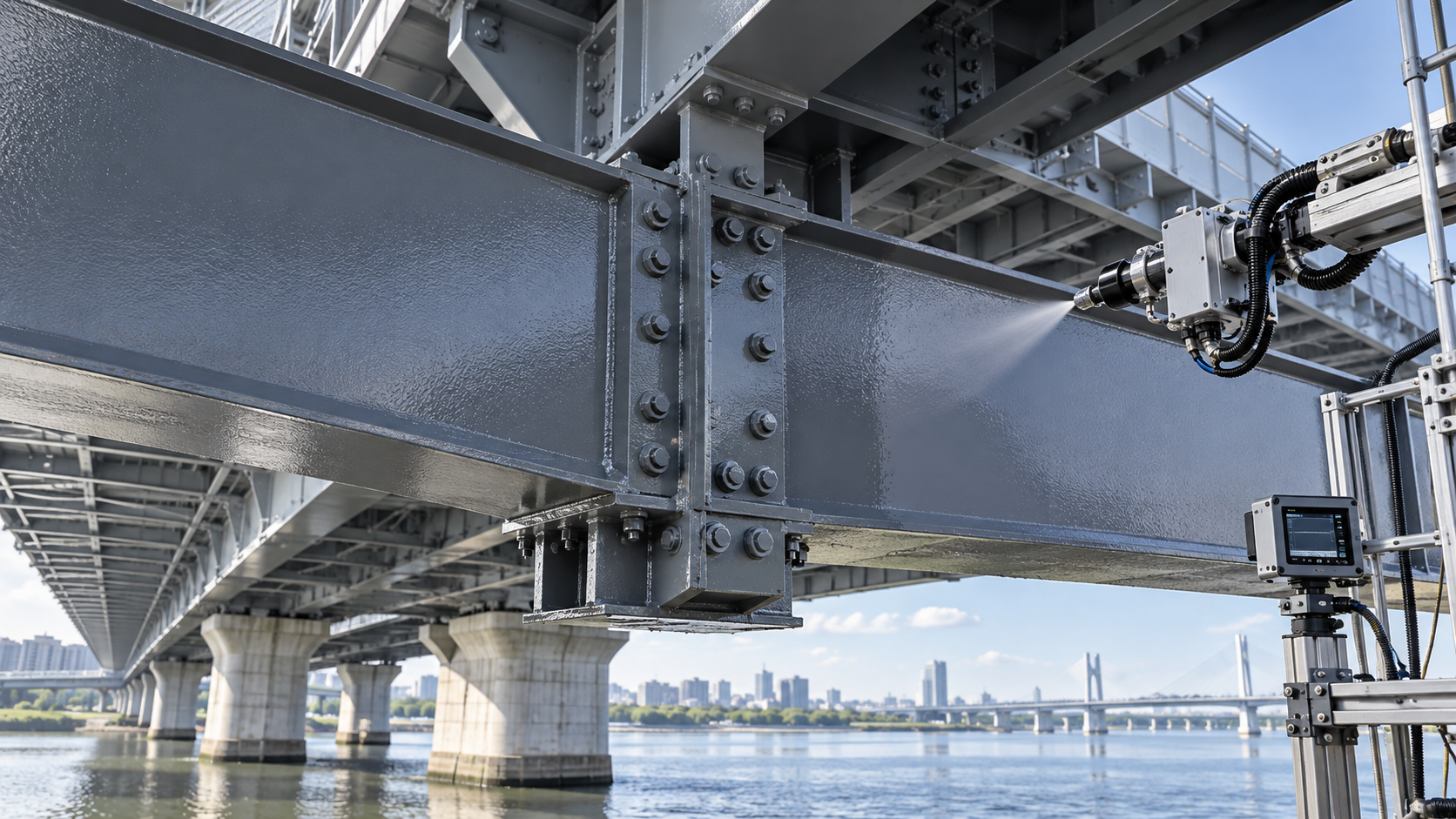
For bridges, ports, towers, and large civic structures, industrial paints are usually selected under one harsh reality: repainting later is operationally expensive and politically visible.
That is where fluorocarbon topcoats, including PVDF-based systems, can make financial sense. Their premium comes from durability against UV, pollution, acid rain, and color fade.
On paper, these industrial paints may look overpriced. In practice, the avoided cost often sits outside the coating line item: traffic control, suspended access, labor mobilization, and corrosion remediation.
SPCS frequently frames this using CAPEX and OPEX logic. If an access-intensive structure can delay repainting by a decade or more, the premium system often wins clearly.
The frequent misread here is comparing fluorocarbon systems with standard finishes only by purchase price. The real benchmark is lifetime intervention cost.
High-heat equipment changes the definition of service life completely
For furnaces, stacks, exhaust systems, and process lines, many industrial paints fail not because corrosion wins first, but because the binder cannot survive the temperature profile.
In these settings, inorganic silicate and ceramic-filled coatings often outperform conventional organic systems. Their value comes from adhesion stability, heat resistance, and protection against creep-related substrate damage.
But temperature rating alone is not enough. Continuous exposure, intermittent peaks, ramp speed, and insulation design all influence whether industrial paints will crack, powder, or delaminate.
A recurring error is specifying a coating for maximum temperature only. Many failures occur during cycling, shutdown condensation, or abrasion from particulates rather than steady-state heat.
Aerospace and defense-related surfaces prioritize performance stability over simple corrosion control
In aircraft-related applications, industrial paints are expected to stay light, stable, weather-resistant, and aerodynamically acceptable under UV, cold, altitude, and fast temperature transitions.
Weatherable polyurethane systems often justify higher cost because finish retention is tied to maintenance planning and surface integrity, not only visual appearance.
Specialized military coatings raise the bar further. Radar-absorbing materials, conductive additives, and tightly controlled formulations make service life a performance metric, not just a corrosion metric.
That means cheap substitution is risky. A lower-cost coating may protect metal but still fail the mission by adding weight, changing surface behavior, or losing functional properties too early.
Waterborne industrial paints become stronger when compliance, safety, and process stability matter together
Not every 2026 coating decision is driven by extreme exposure. Many are driven by workshop emissions, worker safety, insurance constraints, and the need to modernize finishing lines.
Waterborne industrial paints can reduce VOC pressure and fire risk, especially when paired with modern pretreatments such as phosphorus-free silane systems.
The economics here are broader than paint performance. Faster permitting, fewer solvent-handling controls, and easier environmental alignment can materially change plant-level operating cost.
Still, the switch is not automatic. Humidity, substrate cleanliness, curing windows, and line speed all affect film formation. Prof. Kaelen Sterling’s work highlights this exact issue.
Where waterborne industrial paints fail expectations, the problem is often process adaptation rather than chemistry weakness.
The most expensive mistakes usually come from false equivalence between similar-looking applications
Industrial paints are often misjudged when teams assume that steel is steel and outdoors is outdoors. That shortcut hides the cost drivers that matter most.
- Choosing by dry film thickness while ignoring chloride load or immersion profile.
- Comparing coating cost without including shutdown, access, or recoating labor.
- Using solventborne systems where future VOC restrictions may disrupt continuity.
- Ignoring edge preparation, weld geometry, and surface contamination.
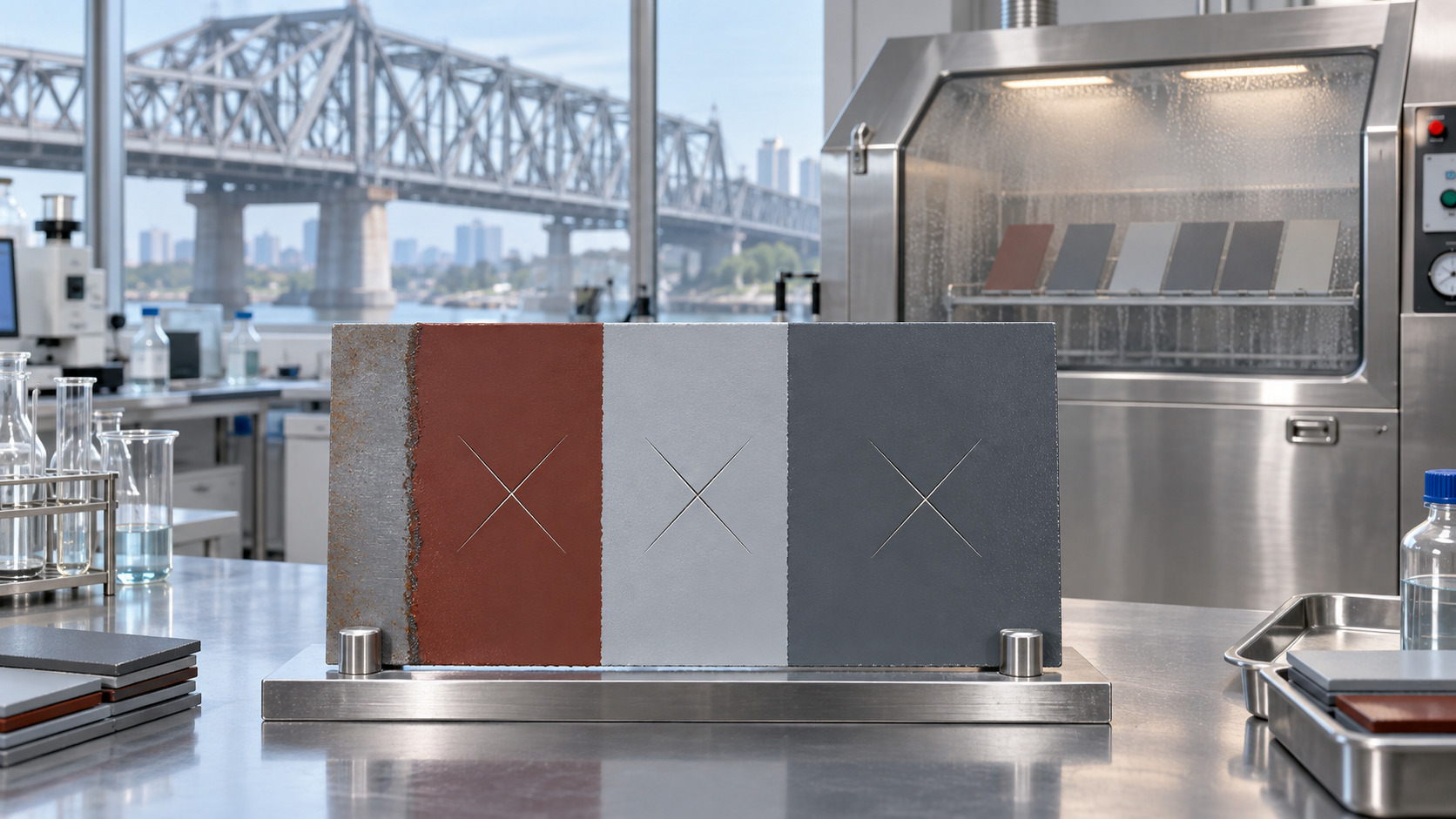
- Assuming laboratory service life translates directly to field service life.
Dr. Chloe Vance’s compliance focus is relevant here. A coating system that performs technically but struggles under tightening emissions or certification rules can become a hidden cost center.
A practical way to compare industrial paints before specification lock-in
Before settling on a system, build the comparison around asset behavior rather than product family names. That usually creates a more realistic decision path.
- Map the exposure zone precisely, including wet-dry cycling, UV, heat, and abrasion.
- Estimate the true cost of the next repainting event, not only current installation.
- Check whether compliance rules may narrow future coating choices.
- Review application limits, especially humidity, curing, and surface preparation needs.
- Model service life in relation to outage planning and asset criticality.
This is the point where SPCS adds value as an intelligence source. Its lens combines chemistry, field conditions, standards, and long-horizon asset economics rather than isolated product claims.
The better 2026 question is not which industrial paints cost less, but which ones cost less to live with
Across marine fleets, bridges, thermal assets, aircraft surfaces, and modern finishing lines, industrial paints create value differently. The right system depends on failure mode, maintenance access, compliance path, and service expectations.
Where intervention is cheap and exposure is mild, a lower-cost system may be rational. Where corrosion, downtime, or access cost dominates, premium industrial paints often protect both budget stability and asset life.
The next step is straightforward: define the exact operating scene, compare lifetime maintenance intervals, verify regulatory fit, and test whether the coating’s service logic matches the asset’s real risk profile.
That approach turns industrial paints from a purchasing debate into a disciplined infrastructure decision.
Related News
- Pipeline Coating Durability Testing: Which Tests Assess Buried-Service Performance?Author :Mr. Gideon Thorne

- Green Coating Solutions: Material Prices vs. Applied Cost per m²Author :Mr. Gideon Thorne

- Ductile Iron Pipe Sizes: Checking Dimensions Across K9 and C ClassesAuthor :Mr. Gideon Thorne

- Marine Antifouling Coating Price: What Drives Cost per Dry-Docking Cycle?Author :Mr. Gideon Thorne

- How to Plan Coating Inspections That Extend Infrastructure Service LifeAuthor :Mr. Gideon Thorne

- How Self-Healing Coatings Stop Corrosion at Scratches and Coating DefectsAuthor :Mr. Gideon Thorne

- What to Require From a Coating Performance Evaluation Service Before Project AcceptanceAuthor :Mr. Gideon Thorne

- How to Evaluate a Coating Formulation Company for Corrosion-Prone AssetsAuthor :Mr. Gideon Thorne

- Selecting Oil and Gas Pipeline Coatings for Corrosion, Abrasion, and Soil ConditionsAuthor :Mr. Gideon Thorne

- Coating Recoating Strategies for Aging Assets: Timing, Prep, and DowntimeAuthor :Mr. Gideon Thorne

- Coating Substrate Preparation: How Surface Cleanliness and Profile Prevent Early FailureAuthor :Mr. Gideon Thorne

- How Shipowners Can Reduce Coating Delays Through a Resilient Marine Supply ChainAuthor :Mr. Gideon Thorne

- How to Select a Bridge Coating Contractor for Corrosion Control and Long Service LifeAuthor :Mr. Gideon Thorne

- Can Localized Bridge Rust Be Repaired Without Full Repainting?Author :Mr. Gideon Thorne

- How Can Buyers Compare Bridge Coating Service-Life Claims Fairly?Author :Mr. Gideon Thorne

- What Should a Bridge Coating Supplier's Test Report Include?Author :Mr. Gideon Thorne

- When Should a Failed Bridge Coating Be Fully Recoated?Author :Mr. Gideon Thorne

- How industrial maintenance resistant coatings prevent early recoatingAuthor :Mr. Gideon Thorne

- How to compare MRO protective coating market options by service lifeAuthor :Mr. Gideon Thorne

- What is changing in the MRO protective coatings market?Author :Mr. Gideon Thorne

- Using Coating Durability Testing and Weathering Results to Plan MaintenanceAuthor :Mr. Gideon Thorne

- How to Estimate VOC Emission Control Coatings Cost for Industrial ProjectsAuthor :Mr. Gideon Thorne

- How to Evaluate an Offshore Platform Coatings Manufacturer for Harsh Marine ConditionsAuthor :Mr. Gideon Thorne

- How to Select Industrial Coatings for Corrosive Steel Structures and Long Service LifeAuthor :Mr. Gideon Thorne

- Coating Durability Testing: How Weathering Data Predicts Service LifeAuthor :Mr. Gideon Thorne

- Epoxy Coated Ductile Iron Pipe vs Cement Lining in Water ProjectsAuthor :Mr. Gideon Thorne

- Epoxy Coated Ductile Iron Pipe in Buried Water Lines: What Drives Service LifeAuthor :Mr. Gideon Thorne

- What Chassis Coating Thickness Is Needed for Corrosion Protection and Service Life?Author :Mr. Gideon Thorne

- How to Evaluate Epoxy Ship Hull Coating Systems for Corrosion and Dry-Dock CyclesAuthor :Mr. Gideon Thorne

- How to Specify Anti-Corrosion Paint Systems for Offshore Steel StructuresAuthor :Mr. Gideon Thorne

- Smart Coating Technology Market Trends, Growth Drivers, and Industrial Demand OutlookAuthor :Mr. Gideon Thorne

- How to Choose the Right Pipeline Protection Coatings Supplier for Harsh Industrial EnvironmentsAuthor :Mr. Gideon Thorne

- Marine Coatings vs Cathodic Protection: How to Combine Both for Longer Hull LifeAuthor :Mr. Gideon Thorne

- How to Evaluate Low-Maintenance Anti-Corrosion Coatings for Long-Life AssetsAuthor :Mr. Gideon Thorne

- Coating System Selection Guide: How to Match Environment, Substrate, and Service LifeAuthor :Mr. Gideon Thorne

- Why Bridge Maintenance Coatings Fail Early in Splash Zones—and How to Prevent ItAuthor :Mr. Gideon Thorne