



Surface Treatment Mistakes That Ruin Adhesion




Why surface treatment fails long before the coating does
Adhesion problems rarely begin with the topcoat itself. In most industrial systems, failure starts at the substrate, often before coating application even begins.
That is why surface treatment remains the quiet deciding factor behind corrosion resistance, film integrity, and maintenance interval.
A marine hull, a bridge girder, an exhaust duct, and a waterborne chassis line may all use advanced coatings. Their surface treatment needs are still very different.
In practice, the biggest mistakes come from assuming that clean-looking steel is truly ready, or that one preparation standard fits every service environment.
SPCS has long observed the same pattern across heavy anti-corrosion, fluorocarbon infrastructure, thermal barrier, and waterborne systems: adhesion is earned before film build, not after it.
A small error in salt removal, surface profile, dust control, or drying window can defeat expensive chemistry designed for decades of protection.
The first judgment is not coating grade, but service environment
Different environments attack adhesion in different ways. The right surface treatment depends on what will stress the coating-metal interface over time.
Marine exposure punishes chloride contamination. High-temperature equipment punishes unstable pretreatment residues. Infrastructure projects punish any shortcut that weakens long-term edge retention.
Waterborne systems add another layer. They are often safer and more compliant, but they can expose poor humidity control and marginal pretreatment more quickly.
A common misjudgment is to focus on blast cleanliness alone. Cleanliness matters, but it is only one part of surface treatment.
Surface energy, anchor profile, soluble salts, residual oil, condensation risk, and time-to-prime all change the adhesion outcome.
What changes from one application to another
This is where many adhesion failures are misread. The coating system may be correct on paper, while the surface treatment is wrong for the actual exposure cycle.
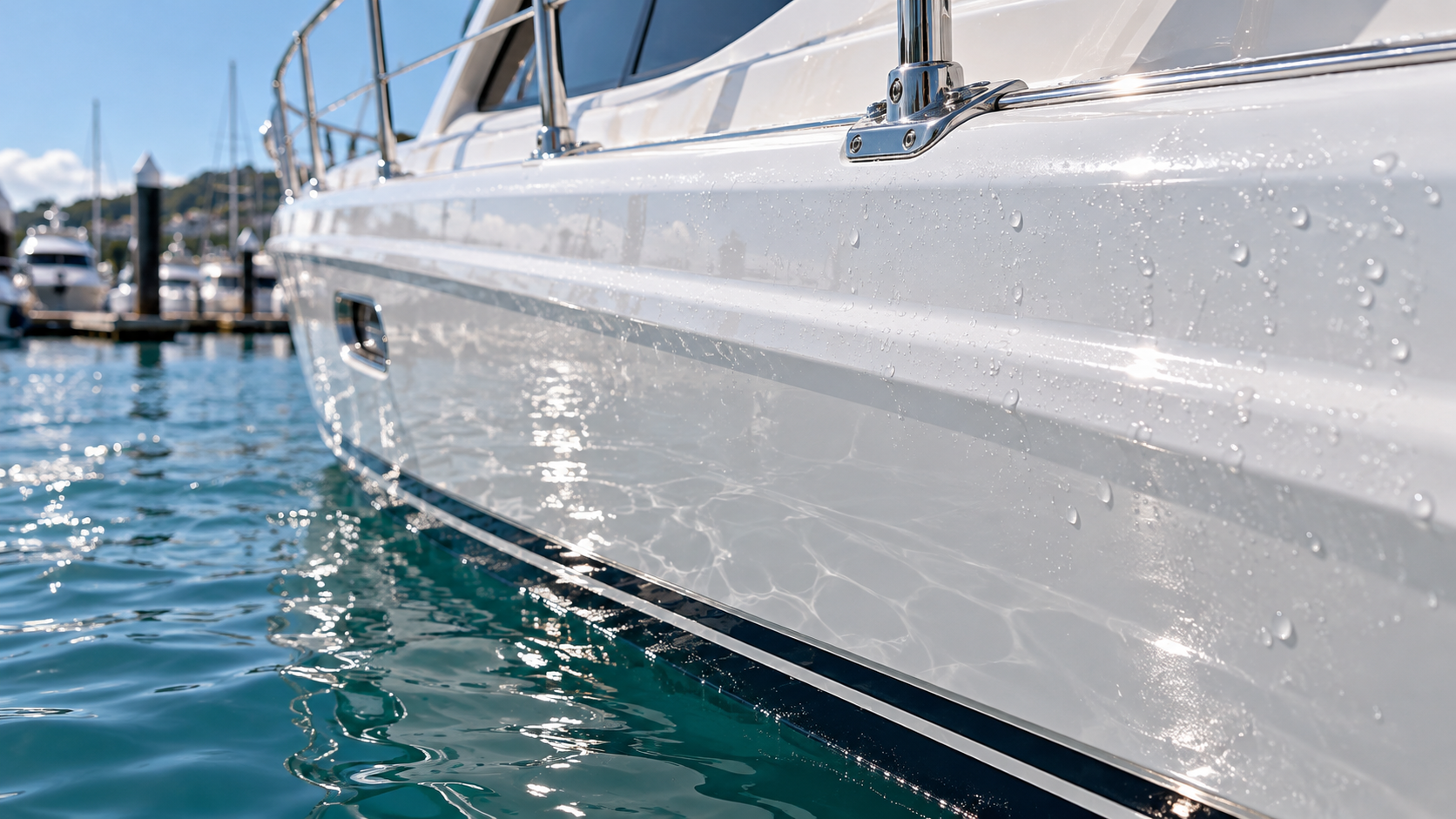
On marine steel, the hidden enemy is usually not visible rust
In shipbuilding and offshore maintenance, visible cleanliness can be misleading. A bright blasted surface may still carry chloride salts deep inside pits and weld zones.
That matters because zinc-rich epoxy and other heavy anti-corrosion primers depend on intimate contact with properly prepared steel.
If salt stays behind, moisture migration starts early. The result may be blistering, creepage, or adhesion loss long before the nominal service life.
Another common surface treatment mistake is waiting too long after blasting. In humid coastal yards, flash rust can form faster than teams expect.
The practical rule is not simply “blast better.” It is “verify salt, control climate, and prime within a realistic window.”
- Check soluble salt levels instead of relying on appearance.
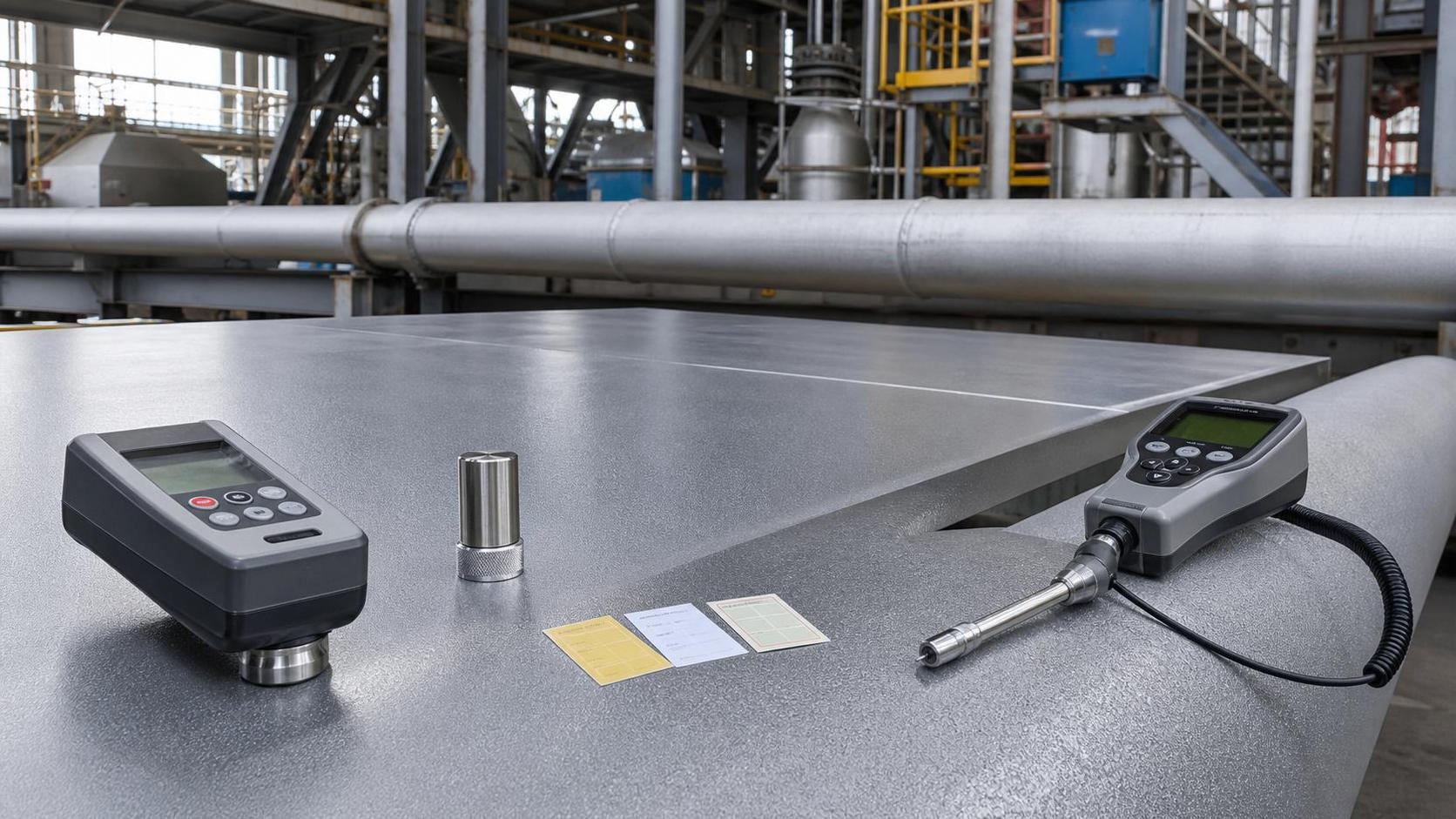
- Measure steel temperature against dew point before coating.
- Treat weld spatter, sharp edges, and pit zones as separate risk areas.
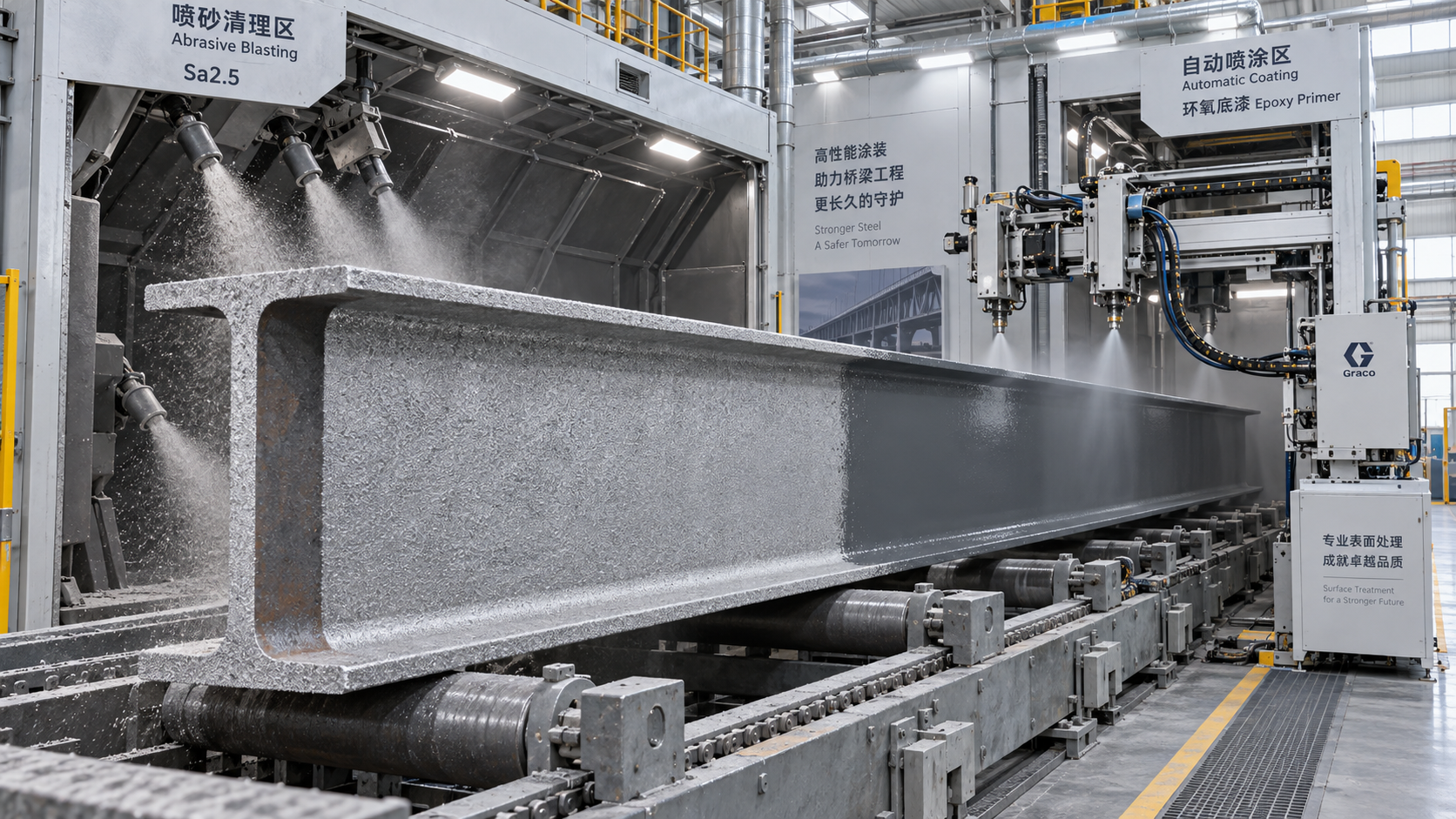
Infrastructure projects fail when profile control is treated as a minor detail
For bridges, ports, and long-life structural steel, surface treatment is not just about initial adhesion. It shapes whether maintenance stays predictable over decades.
Fluorocarbon topcoats such as PVDF can deliver exceptional weathering resistance. Still, they depend on stable underlayers bonded to a correctly profiled substrate.
The mistake here is often uneven blasting. Some areas become over-rough and waste primer. Others stay too smooth and reduce mechanical keying.
Corners and weld seams are another weak point. They may pass visual inspection, yet carry dust, slag, or rounded contamination that undermines adhesion later.
In real projects, the cost issue is also misunderstood. Saving time on surface treatment can create much larger access and repainting costs later.
That long-view logic aligns with the SPCS perspective on CAPEX and OPEX: preparation quality often decides whether a premium system truly earns its lifespan advantage.
What deserves extra attention on structural steel
- Profile depth must match primer design, not just abrasive availability.
- Edge grinding and stripe planning should be decided before blasting starts.
- Dust left after blasting can be as damaging as poor blasting itself.
- Shop primer remnants need compatibility review, not assumption.
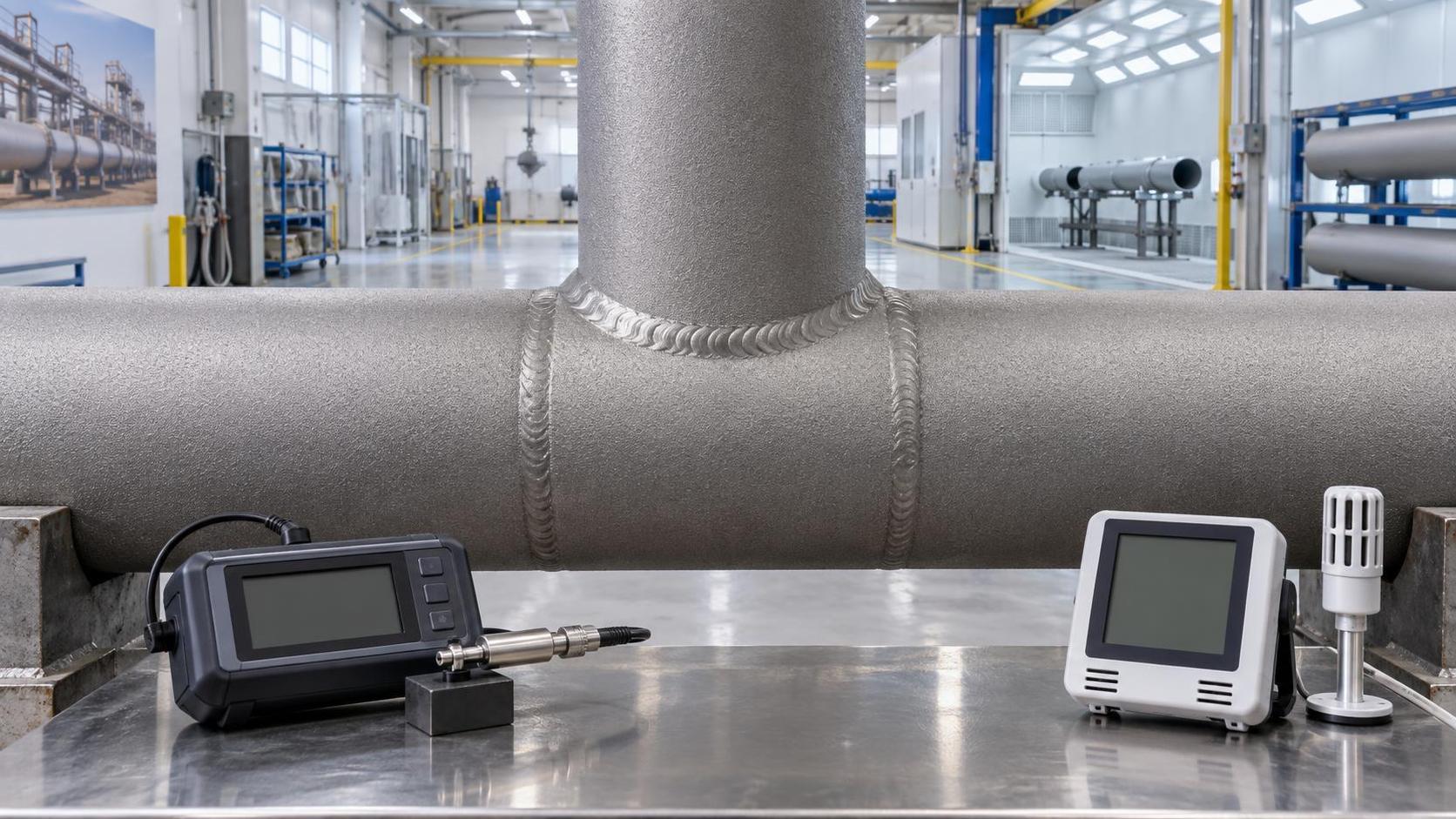
High-temperature coatings need cleaner chemistry, not just rougher steel
On exhaust systems, stacks, furnaces, and hot process equipment, surface treatment mistakes are often chemical rather than visual.
Silicate and ceramic-based coatings bond differently from decorative or ambient-service paints. Residual oil, handling contamination, or unstable oxide layers can interrupt that bond.
A frequent error is using a profile borrowed from a conventional epoxy job. That can be too aggressive, too shallow, or simply wrong for the binder.
Another is ignoring curing behavior after application. Some high-temperature systems only develop full integrity after controlled heat exposure.
So the surface treatment decision must include substrate condition, contamination history, and the actual thermal cycle, not blasting alone.
Waterborne lines expose weak surface treatment faster than solventborne systems
Waterborne industrial paints support lower VOC emissions and safer workshops, but they are less forgiving when pretreatment discipline is poor.
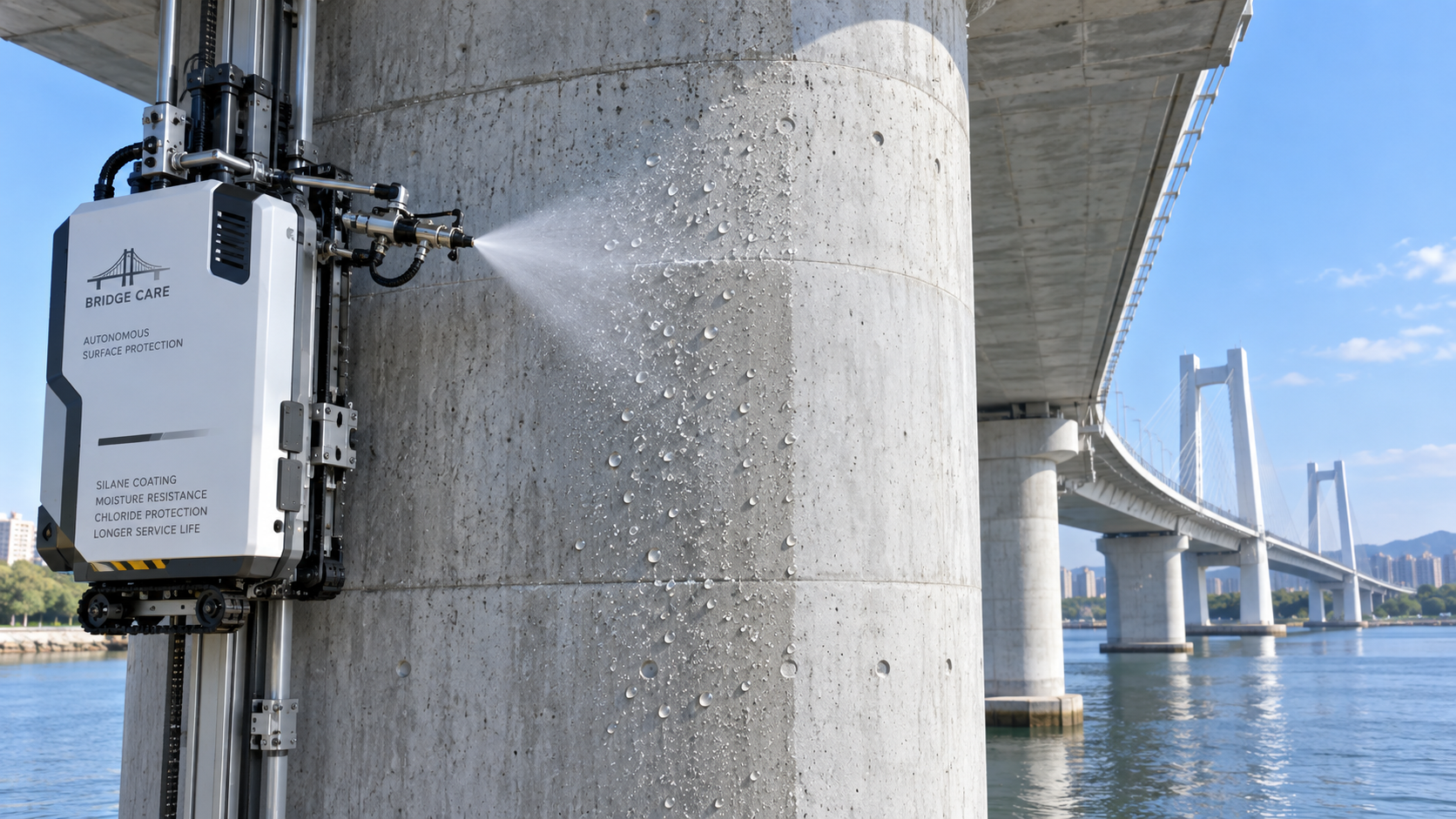
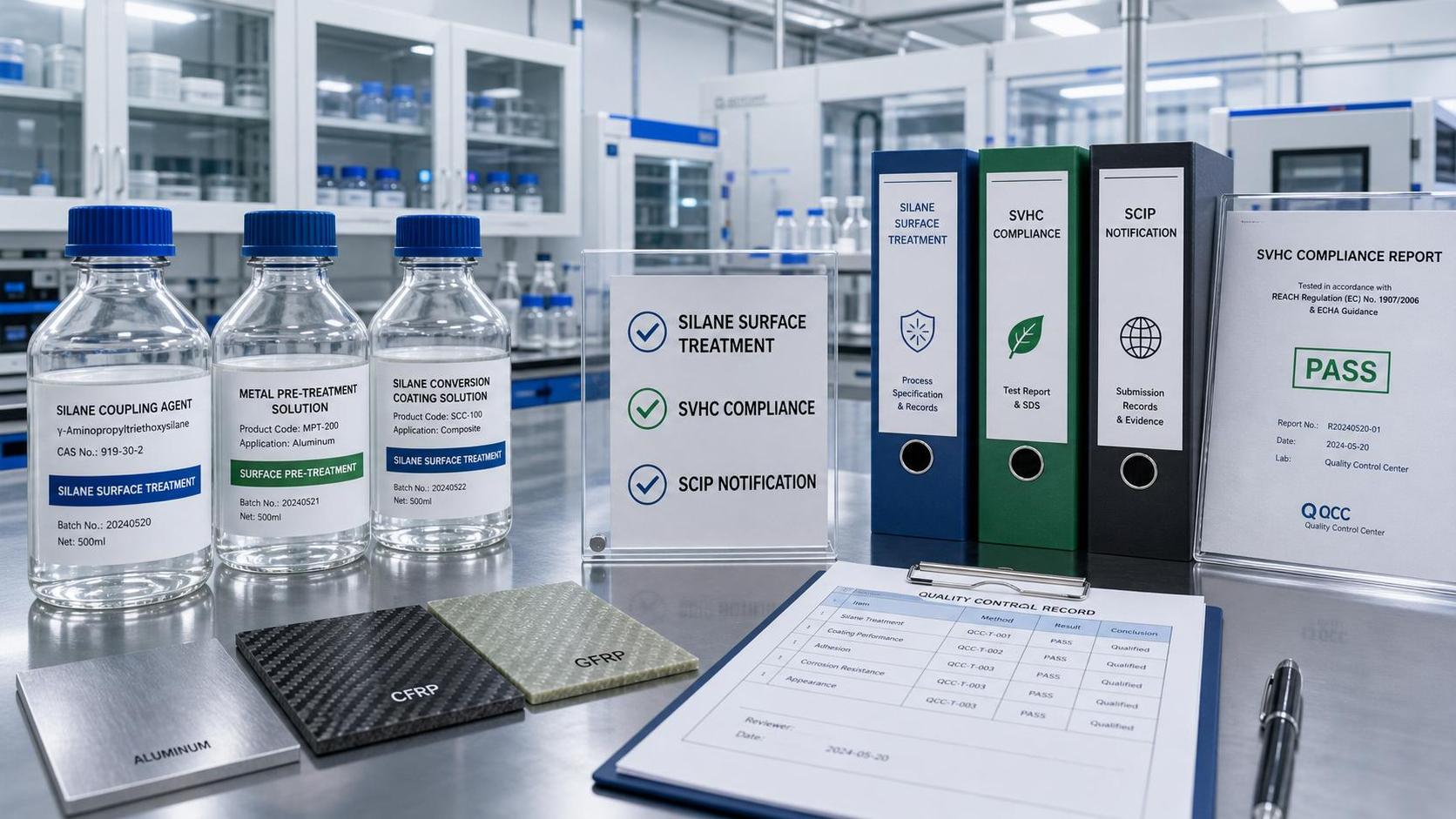
If metal cleaning leaves oil traces or the silane layer is inconsistent, wetting defects show up quickly. Adhesion loss may appear first at bends, seams, or stamped recesses.
Flash rust is another classic issue. Teams sometimes blame the coating, when the real cause is delayed drying or uncontrolled humidity after rinsing.
This is especially important in chassis parts, heavy machinery, and fabricated assemblies where complex geometry traps moisture.
In these settings, effective surface treatment combines cleaning chemistry, rinse quality, drying sequence, and line balance.
Practical checks before blaming the paint
- Confirm whether pretreatment coverage is uniform across hidden geometry.
- Review humidity and time between rinse, dry, and coating.
- Check whether the substrate mix includes galvanized, cold-rolled, or previously handled steel.
The most common surface treatment misjudgments
Several mistakes repeat across industries because they come from simplified assumptions rather than technical limits.
- Treating visual cleanliness as proof of full surface treatment quality.
- Using one blast profile for zinc-rich, fluorocarbon, ceramic, and waterborne systems.
- Ignoring salt, dust, oil, and condensation because they are harder to see.
- Comparing only material price, while ignoring future shutdown or access costs.
- Assuming similar steel parts have identical exposure, geometry, and adhesion risk.
These errors are costly because they look minor at the application stage. Their damage appears later, when repair is difficult and expensive.
How to adapt surface treatment without overcomplicating the job
The goal is not to make every preparation process more complex. It is to make it more specific to the service conditions.
A workable approach is to define a short decision sequence before coating approval.
- Identify exposure severity: marine, atmospheric, thermal, or mixed.
- Confirm substrate type, fabrication complexity, and contamination history.
- Match the required surface treatment profile to the primer or binder chemistry.
- Set measurable controls for salt, dust, dew point, and timing.
- Review whether environmental compliance changes application sensitivity.
That last point matters more now. As waterborne and eco-compliant systems expand, pretreatment discipline becomes even more important, not less.
A better next step is to map failure risk before specifying the coating
Strong adhesion is rarely the result of one premium product choice. It usually comes from a chain of correct surface treatment decisions.
Across marine assets, aerospace-adjacent structures, hot equipment, and century-life infrastructure, the pattern is consistent: poor preparation shortens every promise made by the coating.
Before finalizing any coating schedule, map the actual exposure, substrate condition, timing window, and inspection method. Then test whether the planned surface treatment really fits that reality.
That kind of upfront judgment reduces rework, protects long-term adhesion, and turns coating performance from a specification claim into a durable operating result.
Related News
- Tohoku University Proposes ‘Interfacial Intelligence’ for Polymer Brush DesignAuthor :Eco-Chemical Coating Fellow

- Marine Nano Coatings: Suitable Surfaces and Limits in Saltwater ExposureAuthor :Eco-Chemical Coating Fellow

- Which Surface Treatment Improves Epoxy Adhesion on Bridge Steel?Author :Eco-Chemical Coating Fellow

- Is Silane Surface Treatment Worth Using Before Bridge Coating?Author :Eco-Chemical Coating Fellow

- Surface Preparation for Coatings: How to Prevent Early Adhesion FailureAuthor :Eco-Chemical Coating Fellow

- How to Specify Protective Coatings for Chloride Ion Penetration in ConcreteAuthor :Eco-Chemical Coating Fellow

- Why Coating Adhesion on Aluminum Fails and How Surface Pretreatment Fixes ItAuthor :Eco-Chemical Coating Fellow

- Coating Substrate Preparation: Key Steps and Surface Checks for Better AdhesionAuthor :Eco-Chemical Coating Fellow

- Nano Coatings Explained: Where They Work Best and Where They Often FailAuthor :Eco-Chemical Coating Fellow

- ECHA Adds 3 Silane Agents to SVHC List, SCIP Filing Starts JulyAuthor :Eco-Chemical Coating Fellow

- Chloride Ion Penetration Test Explained: What RCPT Results Really Mean for Concrete DurabilityAuthor :Eco-Chemical Coating Fellow

- ECHA Adds 3 Silanes to SVHC List; SCIP Needed from JulyAuthor :Eco-Chemical Coating Fellow

- ECHA Adds Three Silane Treatments to SVHC ListAuthor :Eco-Chemical Coating Fellow

- ECHA Adds Silane Treatments to SVHC ListAuthor :Eco-Chemical Coating Fellow

- How to Evaluate a Surface Coating Technology Supplier for Process Stability and ComplianceAuthor :Eco-Chemical Coating Fellow

- How to Choose Surface Treatment Technologies for Aluminum by Corrosion Risk and Paint AdhesionAuthor :Eco-Chemical Coating Fellow

- EN ISO 23917:2026 Sets New E-coat Corrosion BarAuthor :Eco-Chemical Coating Fellow

- Coating Application Technology Surface Preparation: Key Steps to Improve AdhesionAuthor :Eco-Chemical Coating Fellow

- Surface Treatment Mistakes That Ruin AdhesionAuthor :Eco-Chemical Coating Fellow