



IMO Tightens Ballast Tank Coating Proof




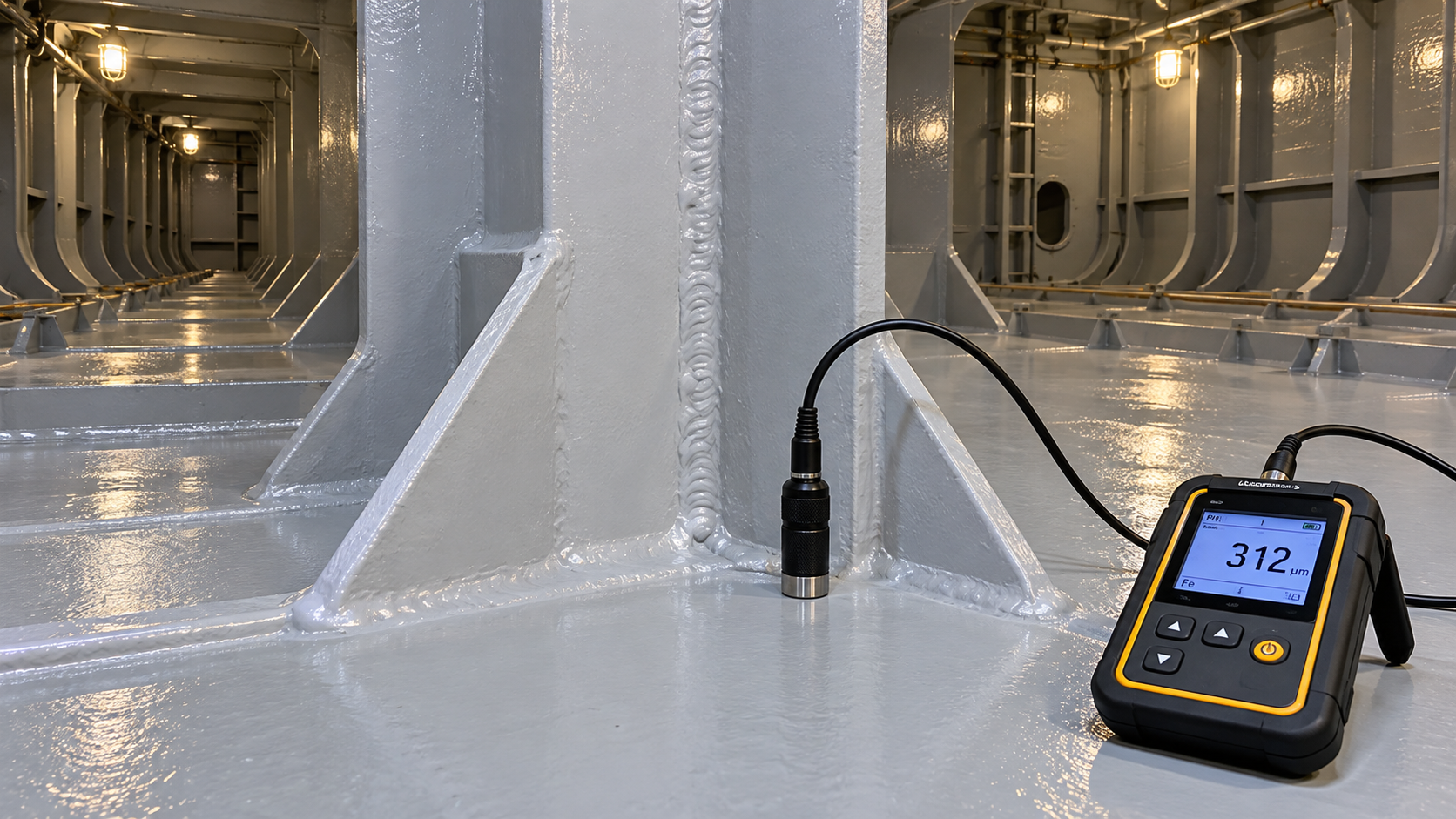
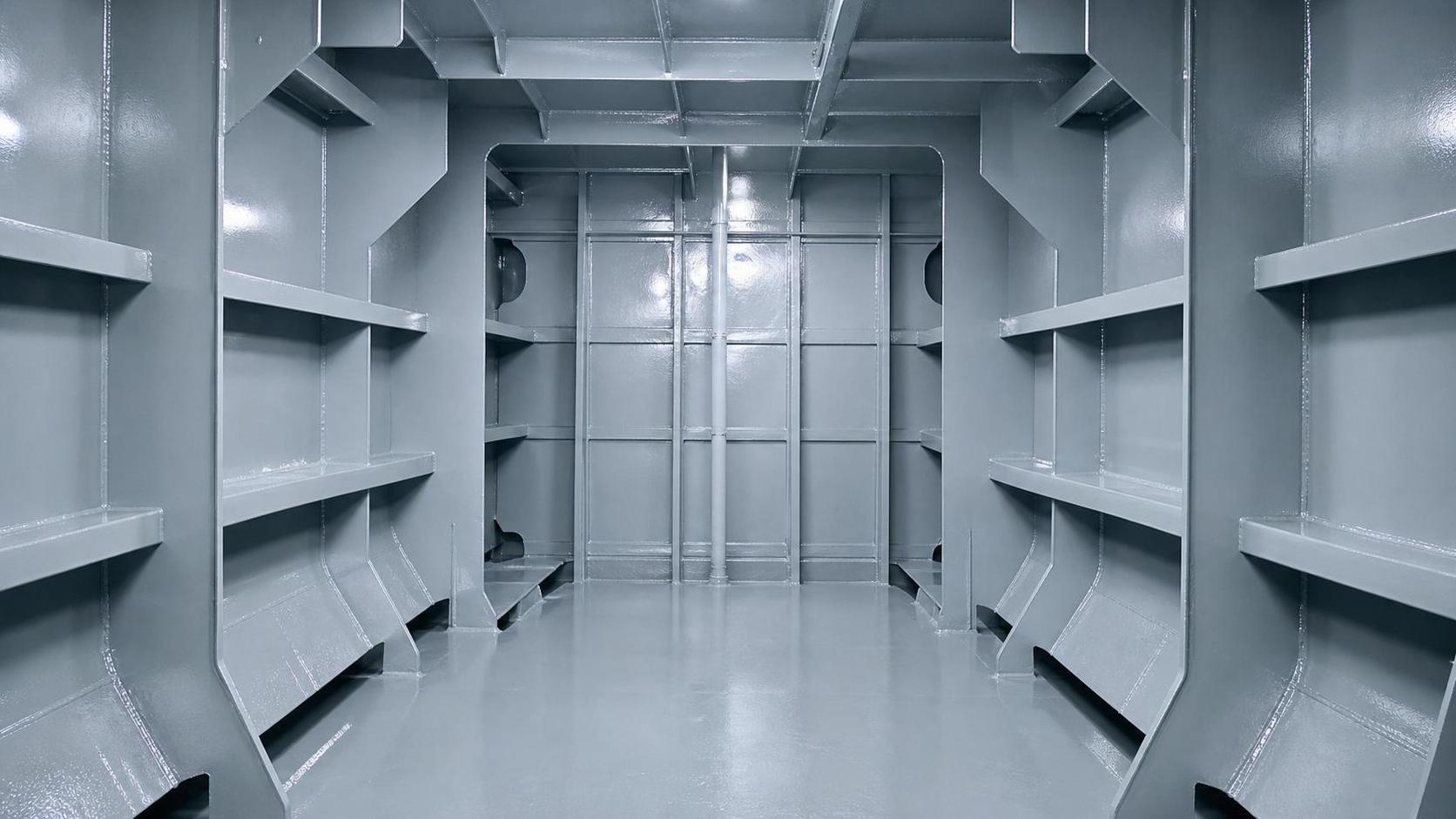
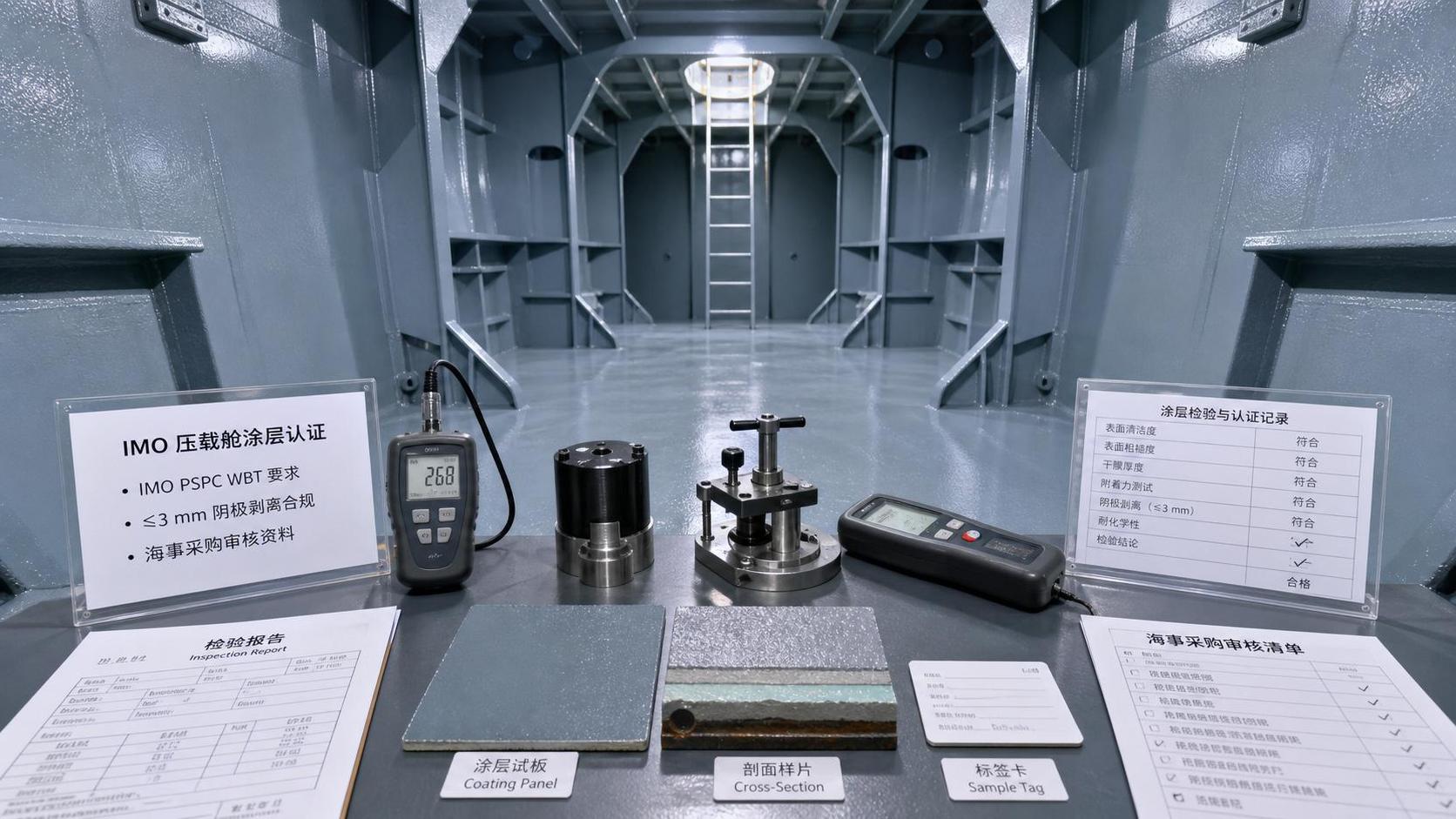
On August 7, 2026, the IMO issued a revised PSPC-BT technical circular, signaling a concrete compliance change for ballast tank coatings used on newbuild vessels. The update introduces two practical thresholds for zinc-rich epoxy primers from January 1, 2027: third-party verification of electrochemical cathodic protection performance and a minimum zinc dust volume concentration of 75% in the dry film. This is worth close attention because it reaches beyond product formulation and into export certification, shipyard procurement checks, technical documentation, and delivery readiness.

What the revised circular now requires
The confirmed change is tied to the IMO technical circular MSC.1/Circ.1698/Rev.1, released on August 7, 2026, as a revision to PSPC-BT guidance. According to the provided summary, from January 1, 2027, all zinc-rich epoxy primers used in ballast tanks on newbuild ships must be supported by a third-party electrochemical test report demonstrating cathodic protection effectiveness. The same update also sets a minimum zinc dust volume concentration of 75% in the dry film. The provided information further states that this change directly affects the export certification pathway of Chinese coating manufacturers and the procurement acceptance process of overseas shipyards.
Where the rule change is likely to be felt first
Pressure on coating suppliers' export qualification files
From an industry perspective, coating manufacturers are likely to feel the change first because compliance will no longer rest only on product identity or conventional specification alignment. The new requirement points to a documentation threshold that may affect export-facing product approval files, especially where ballast tank primers are offered for newbuild use. What deserves closer attention is whether existing technical dossiers, test packages, and product declarations are sufficient for customer review once third-party electrochemical verification becomes mandatory.
Shipyard purchasing and incoming acceptance may become more document-driven
For shipyards and procurement teams, the rule change appears relevant not only at supplier selection but also at acceptance review. Analysis shows that purchasing decisions may increasingly depend on whether a coating package can present compliant third-party test evidence together with clear confirmation that the dry-film zinc dust volume concentration meets the stated minimum. This could affect bid review, technical specification checks, and handover documentation for newbuild projects scheduled across the transition period.
Testing and certification-related service providers may see a narrower focus on evidence quality
Testing, inspection, and certification-related participants may also be affected because the updated rule explicitly names third-party electrochemical performance verification. Observably, the practical issue is not just that testing is required, but that the quality, form, and acceptability of the supporting report may become more important in commercial review. For companies involved in compliance support, the immediate concern is how test evidence will be requested, presented, and assessed in export and procurement workflows.
What companies should review before the 2027 start date
Check whether current compliance files match the new proof requirement
Analysis shows that suppliers should review whether ballast tank primer files already contain third-party electrochemical cathodic protection performance evidence that can be used in customer-facing certification or approval processes. Where such reports are missing, the main issue is not only testing itself but also timing, report format, and consistency with existing technical literature.
Reconfirm formulation claims tied to the 75% dry-film threshold
Companies marketing zinc-rich epoxy primers for ballast tank use should also verify how the 75% zinc dust volume concentration in the dry film is documented in product records and supporting technical materials. What deserves closer attention is alignment across product data, test evidence, tender documents, and customer declarations, since mismatches in those materials may create avoidable review friction.
Review procurement and delivery schedules around the transition date
For exporters, shipyard buyers, and supply chain coordinators, the January 1, 2027 implementation date makes transition planning a practical issue. It is more appropriate to understand this as a compliance timing question: orders, approvals, and deliveries linked to newbuild ballast tank coatings may need closer review to determine whether supporting evidence will be expected during procurement, inspection, or acceptance.
Watch for changes in tender language and acceptance criteria
The provided information does not include detailed enforcement mechanics, so companies should avoid assuming a single settled industry practice at this stage. Observably, a key area to monitor is whether tender documents, technical bid requirements, and acceptance checklists begin to reference third-party electrochemical reports and the 75% dry-film zinc threshold more explicitly.
Why this looks like an execution signal, not just a technical update
Analysis shows that the significance of this circular lies in how it converts coating performance expectations into clearer proof obligations. This is not simply a descriptive update about ballast tank coatings; it points to a more documentable and reviewable compliance path for a specific primer category in newbuild applications. At the same time, it would be premature to treat all downstream execution details as settled fact, because the provided information does not define the full market response, review criteria, or project-by-project implementation practice.
How this update is best understood now
At this stage, the IMO circular is better understood as a confirmed rule change with direct operational implications, rather than a distant policy signal. The confirmed elements are clear: a start date, a third-party electrochemical performance verification requirement, and a minimum zinc dust concentration threshold. The broader commercial effect still depends on how certification reviews, procurement documents, and acceptance procedures incorporate those requirements in practice. A measured reading is that the change is already relevant for preparation, while parts of its market execution still require observation.
Basis of this article and what still needs verification
This article is generated from the user-provided news title, event date, and event summary. For developments of this kind, relevant source categories typically include official notices, regulator publications, standard-setting documents, industry association materials, trade authority information, and reporting by established professional media. No specific official source link was provided in the input, so the exact source link still needs to be verified on an ongoing basis. Continued attention should be paid to any later clarification of compliance interpretation, certification practice, tender wording, procurement acceptance standards, industry feedback, and company-level implementation.
Related News
- IMO PSPC for Ballast Tanks: Dry Film Thickness and Inspection RequirementsAuthor :Marine Anti-corrosion Architect

- Choosing Ballast Tank Anti-Corrosion Paint Systems for Seawater ExposureAuthor :Marine Anti-corrosion Architect

- Ballast Tank Coating Costs: Budgeting for Surface Prep, Application, and LifecycleAuthor :Marine Anti-corrosion Architect

- Offshore Coating Performance Standards: Tests and Acceptance Criteria for Marine AssetsAuthor :Marine Anti-corrosion Architect

- Marine Specialty Coating Applications: Matching Systems to Exposure ZonesAuthor :Marine Anti-corrosion Architect

- When should dry dock coating repairs include full surface preparation?Author :Marine Anti-corrosion Architect

- IMO Tightens Ballast Tank Coating ProofAuthor :Marine Anti-corrosion Architect

- How to Choose Marine Anti-Corrosion Coatings in South Korea for Vessels and Port AssetsAuthor :Marine Anti-corrosion Architect

- How Marine Coatings for Container Ships Are Chosen for Hull, Deck, and Ballast ZonesAuthor :Marine Anti-corrosion Architect

- Ballast Tank Coating Systems Explained: IMO Requirements, System Types, and Common DefectsAuthor :Marine Anti-corrosion Architect

- PSPC Coating Durability Standards Explained: What Shipowners Should Check Before ApprovalAuthor :Marine Anti-corrosion Architect
![]()
- Coating Application Engineering in Shipyards: How to Plan Surface Prep, Sequencing, and QAAuthor :Marine Anti-corrosion Architect

- Coating Compatibility in Marine Coatings: Why Repairs Fail and How to Prevent DelaminationAuthor :Marine Anti-corrosion Architect

- ISO 12944 for Offshore Coating Systems: Key Corrosion Classes and Specification MistakesAuthor :Marine Anti-corrosion Architect

- Marine Coating Compatibility Problems: How to Avoid Lifting, Cracking, and Recoat FailureAuthor :Marine Anti-corrosion Architect

- IMO Tightens Ballast Tank Coating Approval to ≤3 mmAuthor :Marine Anti-corrosion Architect

- Marine Coating Specification Dry Film Thickness: How to Read DFT Requirements and Avoid ReworkAuthor :Marine Anti-corrosion Architect

- IMO Tightens Ballast Tank Coating Test to 3 mmAuthor :Marine Anti-corrosion Architect

- Specialty Coatings for Offshore: Which Systems Fit Splash Zones, Decks, and Subsea Steel?Author :Marine Anti-corrosion Architect

- Offshore Coating Systems Under ISO 12944: What to Specify for Splash and Immersed ZonesAuthor :Marine Anti-corrosion Architect

- How to Choose Heavy-Duty Anti-Corrosion Coatings for Offshore Steel StructuresAuthor :Marine Anti-corrosion Architect

- Marine Coatings for Ballast Tank CorrosionAuthor :Marine Anti-corrosion Architect