



Coating Cross-Linking Technology Durability: Key Factors Behind Long-Term Film Performance




Coating Cross-Linking Technology Durability: What Really Determines Long-Term Film Performance
For commercial evaluation, coating cross-linking technology durability is more than a lab phrase. It directly affects service life, shutdown risk, recoating intervals, and total ownership cost.
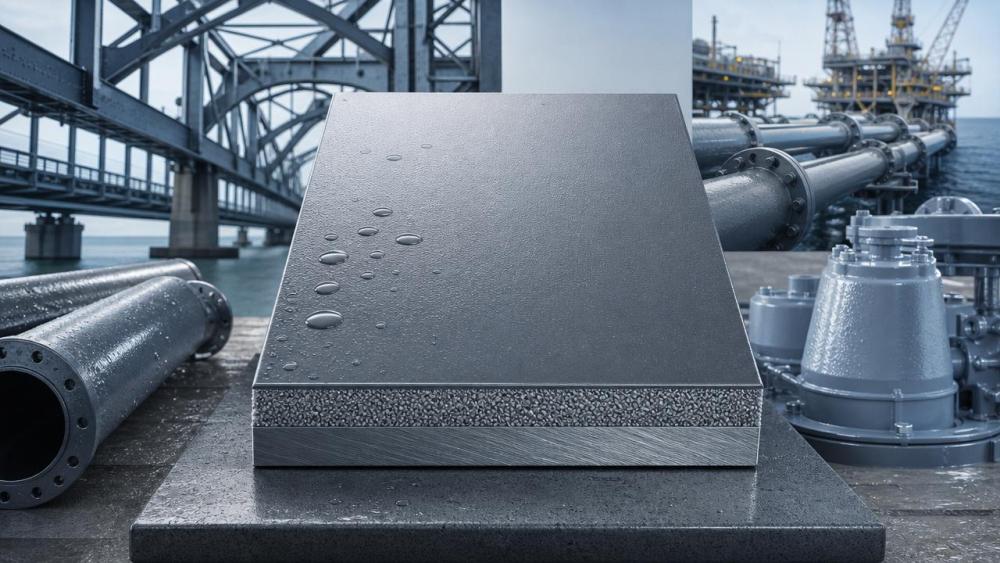
That matters across marine structures, bridges, plants, aircraft components, pipelines, and heavy equipment. A durable film must resist water, salts, UV, chemicals, abrasion, and thermal stress over time.
At the center of that performance is cross-linking. When polymer chains form a stable network, the coating becomes harder to penetrate, less likely to soften, and better able to hold adhesion.
In practical procurement, the question is simple. Does the supplier understand how coating cross-linking technology durability translates into predictable field performance, not just attractive specification sheets?
This article breaks down the key factors behind long-term film performance, the main trade-offs, and the signals that help separate reliable systems from high-risk options.
Why Cross-Linking Matters in Protective Coatings
Cross-linking is the chemical bonding process that connects resin molecules into a three-dimensional structure. The tighter and more uniform this network becomes, the stronger the final film usually performs.
Good coating cross-linking technology durability often improves four core outcomes. These outcomes are closely linked to asset protection and maintenance economics.
- Lower permeability to water, oxygen, and chloride ions.
- Higher resistance to solvents, fuels, and aggressive chemicals.
- Better mechanical integrity under impact, wear, and thermal cycling.
- Stronger retention of gloss, adhesion, and barrier properties over time.
Still, more cross-linking is not always better. If a system becomes too rigid, it may crack, lose flexibility, or struggle under vibration and substrate movement.
That is why coating cross-linking technology durability should be evaluated as a balance. The best systems match network density to the service environment, substrate type, and curing conditions.
Key Factors Behind Coating Cross-Linking Technology Durability
Several variables determine whether a coating performs for years or fails early. In real projects, durability usually depends on the interaction of formulation, application, and environment.
1. Resin Chemistry and Curing Mechanism
Epoxy, polyurethane, polysiloxane, fluoropolymer, alkyd, and waterborne hybrid systems do not form the same network. Each chemistry creates different strengths and different failure risks.
For example, epoxies often deliver excellent barrier protection and chemical resistance. Polyurethanes usually add better UV stability, surface appearance, and flexibility.
So when reviewing coating cross-linking technology durability, ask how the resin system fits the exposure profile. Offshore splash zones need different chemistry from indoor steel structures.
2. Cross-Link Density
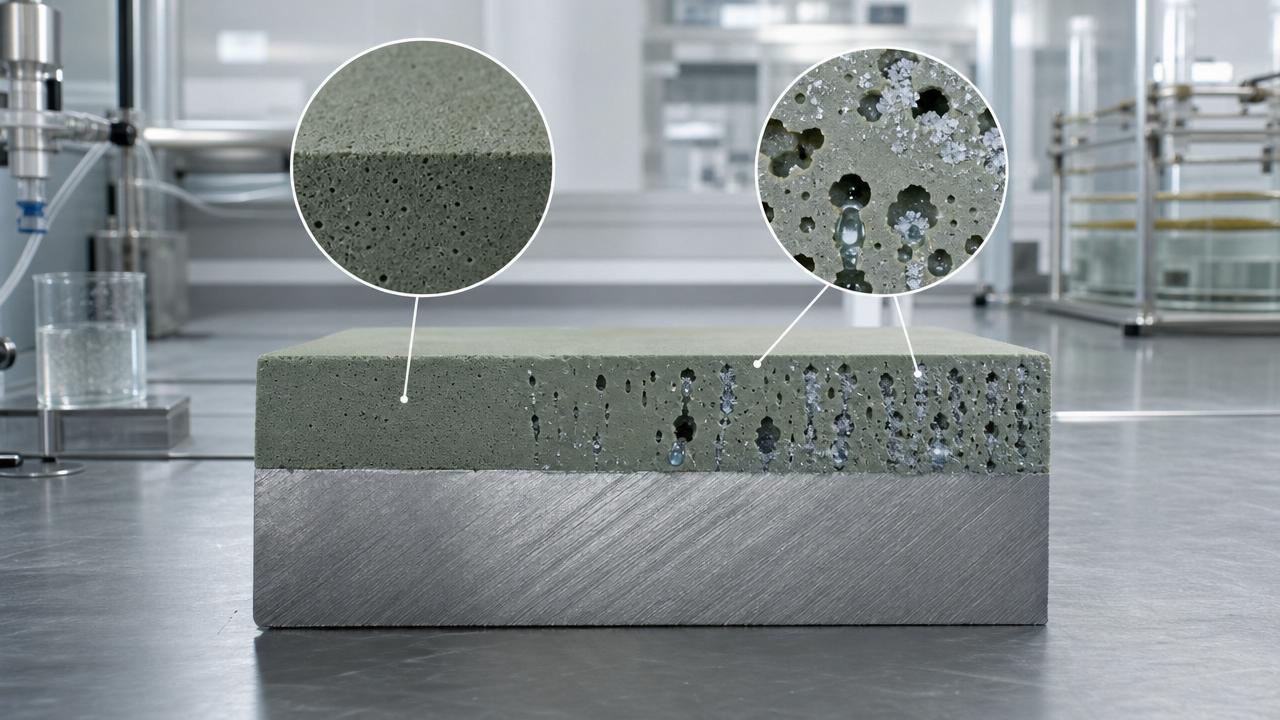
Cross-link density strongly influences hardness, solvent resistance, and water uptake. A dense network usually blocks diffusion pathways and slows corrosion-driven degradation.
However, excessive density can create brittleness. This becomes a concern on flexible substrates, thermally cycling equipment, and welded structures exposed to vibration or stress movement.
A credible supplier should explain the target balance, not simply claim “high cross-linking” as a universal advantage.
3. Stoichiometric Balance and Mixing Accuracy
Two-component systems rely on accurate resin-to-hardener ratios. Off-ratio mixing leaves unreacted components, weakens the polymer network, and reduces coating cross-linking technology durability.
This is a hidden but common field issue. A coating may look acceptable after application, yet still underperform months later because cure development was incomplete.
4. Cure Conditions
Temperature, humidity, ventilation, and time all influence network formation. Poor cure conditions can reduce hardness, delay chemical resistance, and weaken adhesion between coats.
This is especially important for waterborne paints, cold-weather application, and thick-film protective systems. Lab durability means little if real-site curing cannot reproduce it.
5. Pigments, Fillers, and Additives
The polymer network does not work alone. Pigments, extenders, anti-corrosion agents, catalysts, and wetting additives influence film structure and durability stability.
Poor dispersion or incompatible additives can create weak zones. Those weak zones become entry points for moisture, UV damage, and premature loss of coating cross-linking technology durability.
6. Surface Preparation and Intercoat Adhesion
Even a well-designed network fails if it cannot anchor to the substrate. Blast profile, cleanliness, pretreatment, and recoat timing remain basic, but they are still decisive.
In business terms, poor surface preparation can destroy the value of an advanced coating system. That turns a premium specification into a costly disappointment.
How Durability Shows Up in Real Service Conditions
Coating cross-linking technology durability becomes meaningful when linked to actual failure modes. Buyers should connect chemistry to field exposure, not review technical data in isolation.
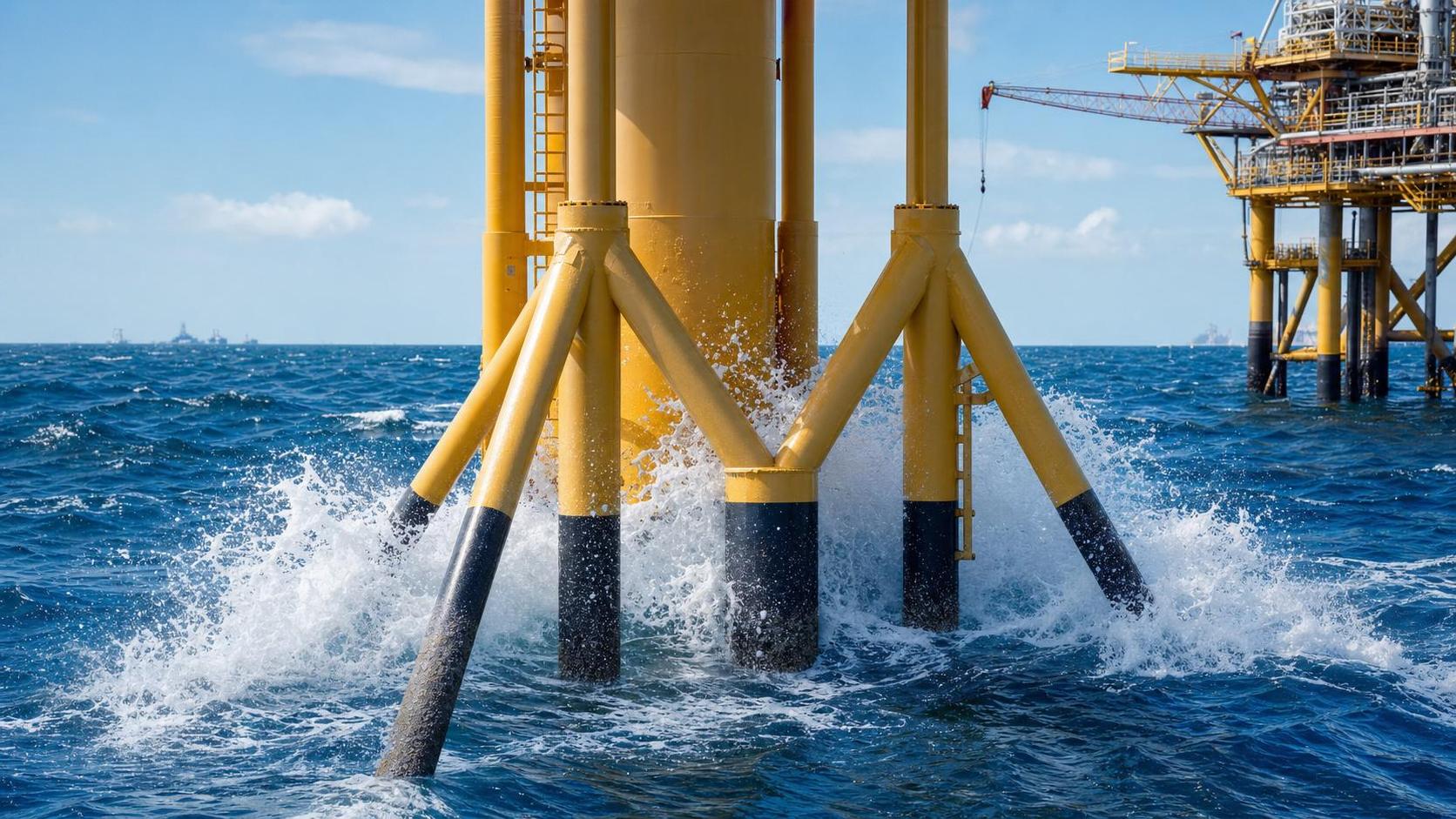
In marine systems, low durability often appears as blistering, underfilm corrosion, or early gloss loss. Saltwater and cyclic wet-dry exposure quickly expose weak network formation.
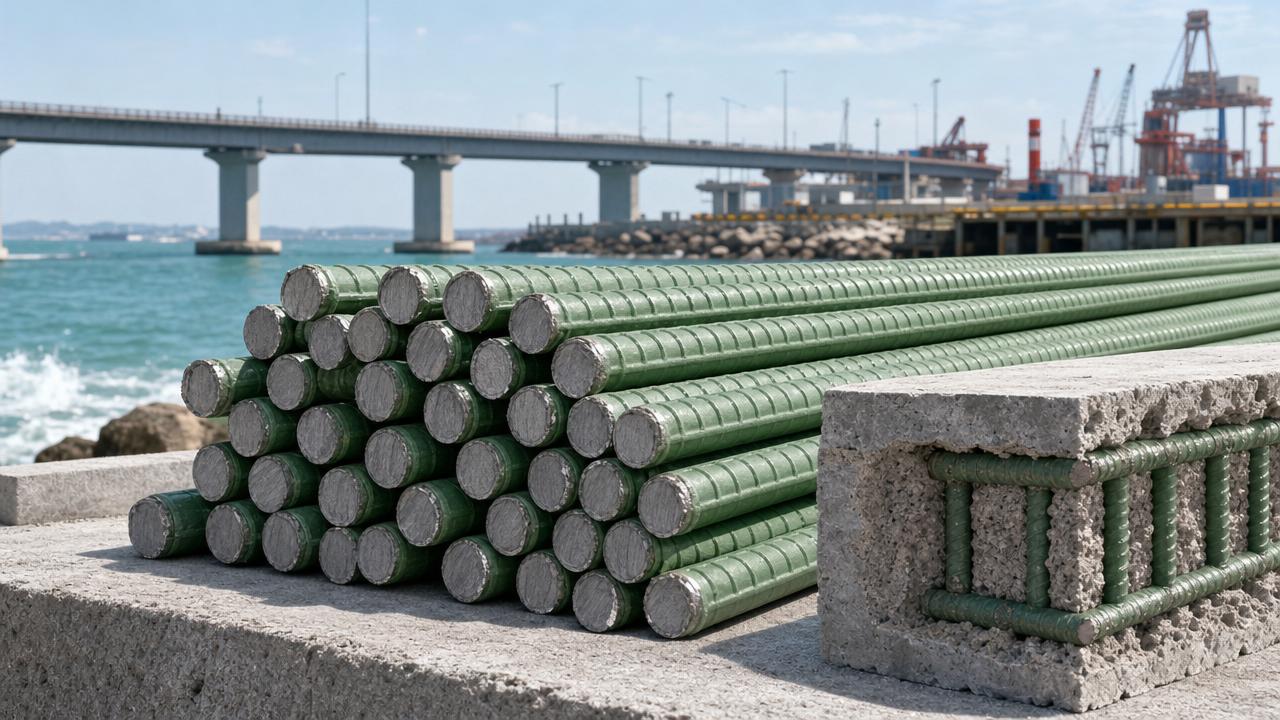
In bridge and infrastructure coatings, UV stability and crack resistance matter more over long timelines. The film must survive sunlight, pollutants, moisture, and expansion-contraction stress.
In aerospace and high-performance transport, coatings face temperature change, fluid exposure, and appearance requirements at the same time. Durability must include both protection and finish retention.
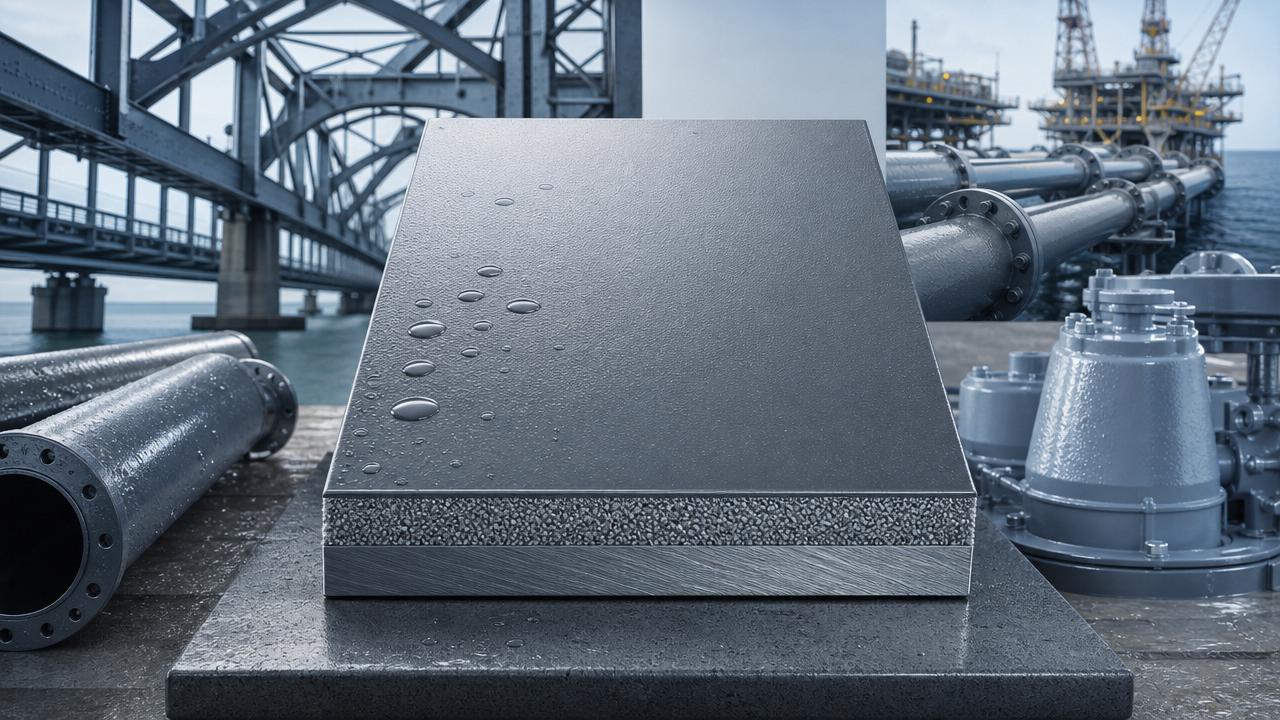
For industrial plants, the issue is often chemical resistance and downtime. If coating cross-linking technology durability is weak, maintenance frequency rises and production risk follows.
How to Evaluate Supplier Claims and Test Data
The market is full of strong claims about long-life protection. The better approach is to ask which data actually proves coating cross-linking technology durability under relevant service conditions.
- Check salt spray, cyclic corrosion, immersion, and humidity test results.
- Review adhesion retention after weathering or chemical exposure.
- Ask for hardness, flexibility, and impact resistance after full cure.
- Compare VOC profile, cure window, and application tolerance.
- Look for field references with similar substrates and environments.
Standards also matter, but context matters more. A passing result under one standard does not guarantee equal protection in offshore, tropical, or high-heat operations.
More importantly, ask whether the data reflects the full system. Primer, intermediate coat, and topcoat interactions all influence final coating cross-linking technology durability.
Common Procurement Risks That Reduce Long-Term Film Performance
From recent market shifts, a clearer signal is emerging. Cost pressure often pushes decisions toward nominal compliance, while true lifecycle durability receives less attention.
That can create avoidable risk. The most common issues are usually operational rather than theoretical.
- Choosing by initial price instead of maintenance cycle value.
- Ignoring cure sensitivity in cold, humid, or fast-track projects.
- Accepting limited data without field validation.
- Overlooking application training and mixing control.
- Using one system across very different exposure conditions.
In actual business decisions, coating cross-linking technology durability should be treated as a risk filter. It helps identify where a low-price option may create higher downstream cost.
A Practical Evaluation Framework for Better Decisions
A useful evaluation framework should combine technical fit, application reality, and service economics. This keeps coating cross-linking technology durability tied to commercial outcomes.
This also means the most durable option is not always the most expensive one. The smarter choice is the system that performs reliably within the real project window.
Conclusion: Durability Should Be Read as a Business Signal
Coating cross-linking technology durability is a practical indicator of long-term film performance, not just a formulation detail. It connects chemistry, application quality, environment, and maintenance economics.
When evaluated correctly, it helps reduce procurement risk, improve supplier comparison, and support better lifecycle planning across protective coating systems.
The most effective next step is straightforward. Ask suppliers to show how their coating cross-linking technology durability performs under your exact service conditions, curing limits, and maintenance targets.
That simple shift turns a coating review from a price discussion into a performance-based decision. And in long-life assets, that is usually where the real value appears.
Related News
- Offshore Structure Coatings for Platforms: Key Requirements for Splash and Immersion ZonesAuthor :Prof. Kaelen Sterling

- Smart Coating Sensors Explained: What They Measure and Where They Fit in MaintenanceAuthor :Prof. Kaelen Sterling

- Chloride-Resistant Coatings for Rebar: Selection Criteria for Marine and Bridge ConcreteAuthor :Prof. Kaelen Sterling

- Coating Cross-Linking Technology Durability: Key Factors Behind Long-Term Film PerformanceAuthor :Prof. Kaelen Sterling

- Coating Film Properties Porosity: How It Affects Corrosion Protection and Service LifeAuthor :Prof. Kaelen Sterling