



ECHA Reviews PVDF REACH Dossiers




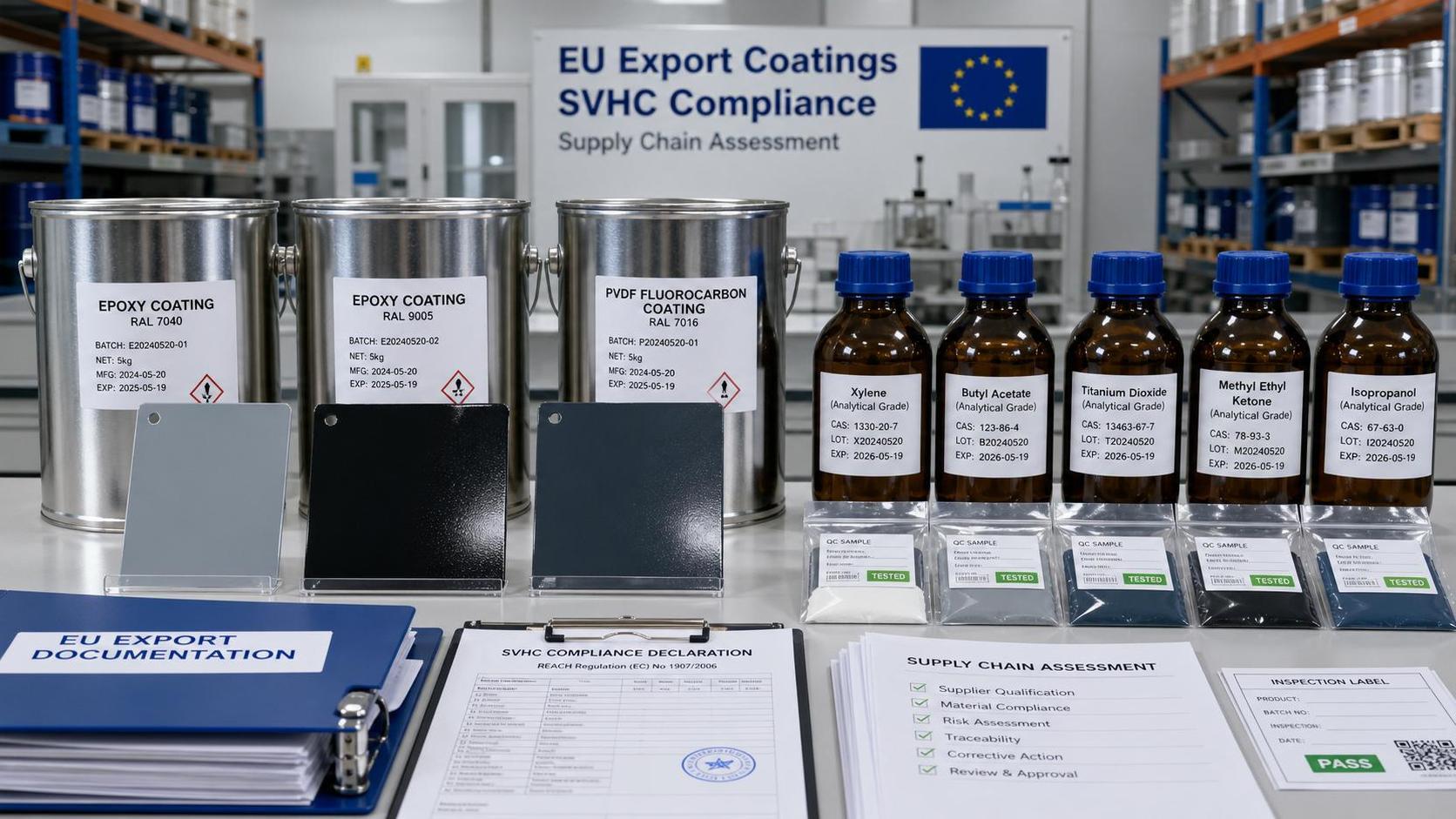
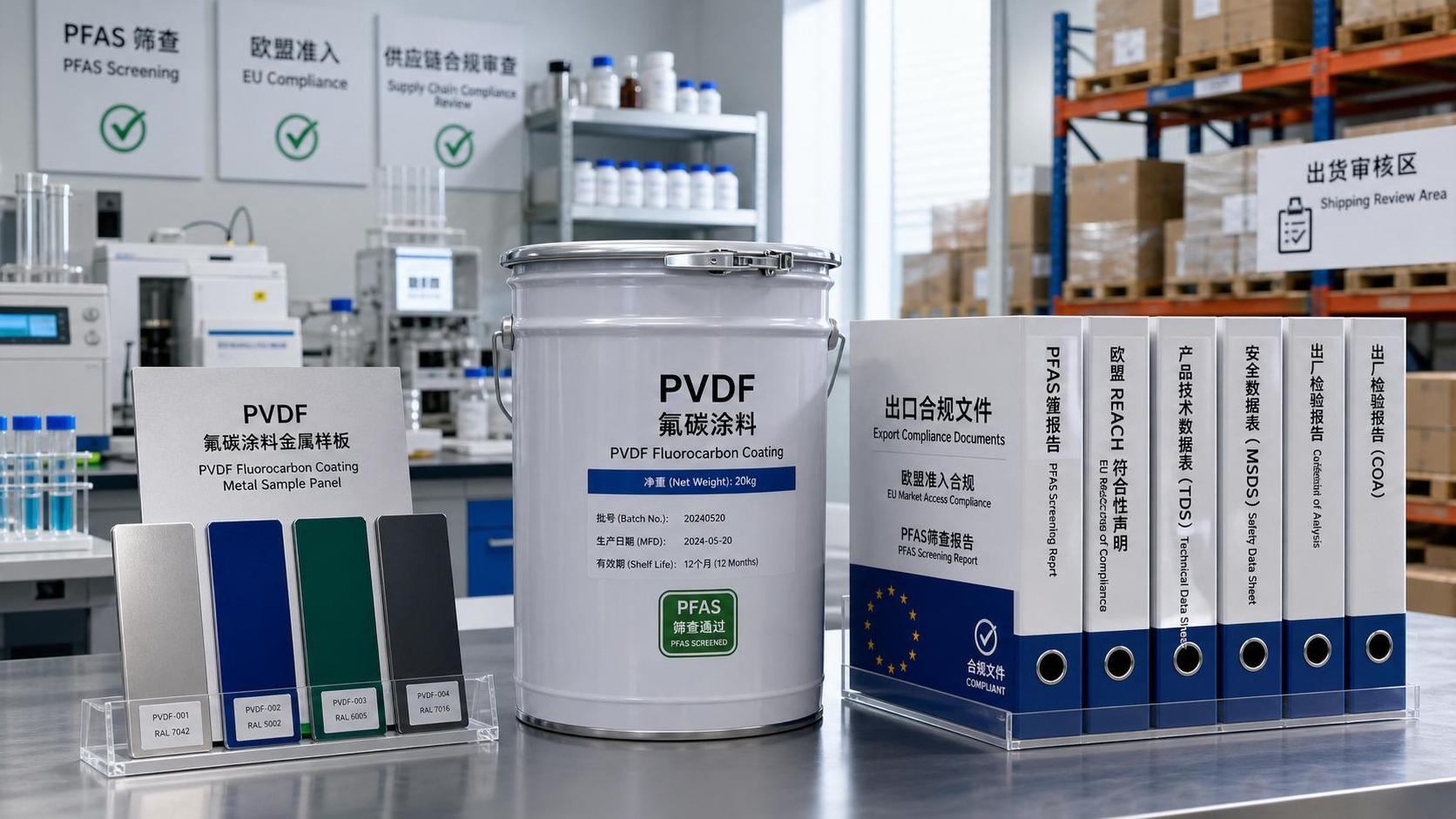
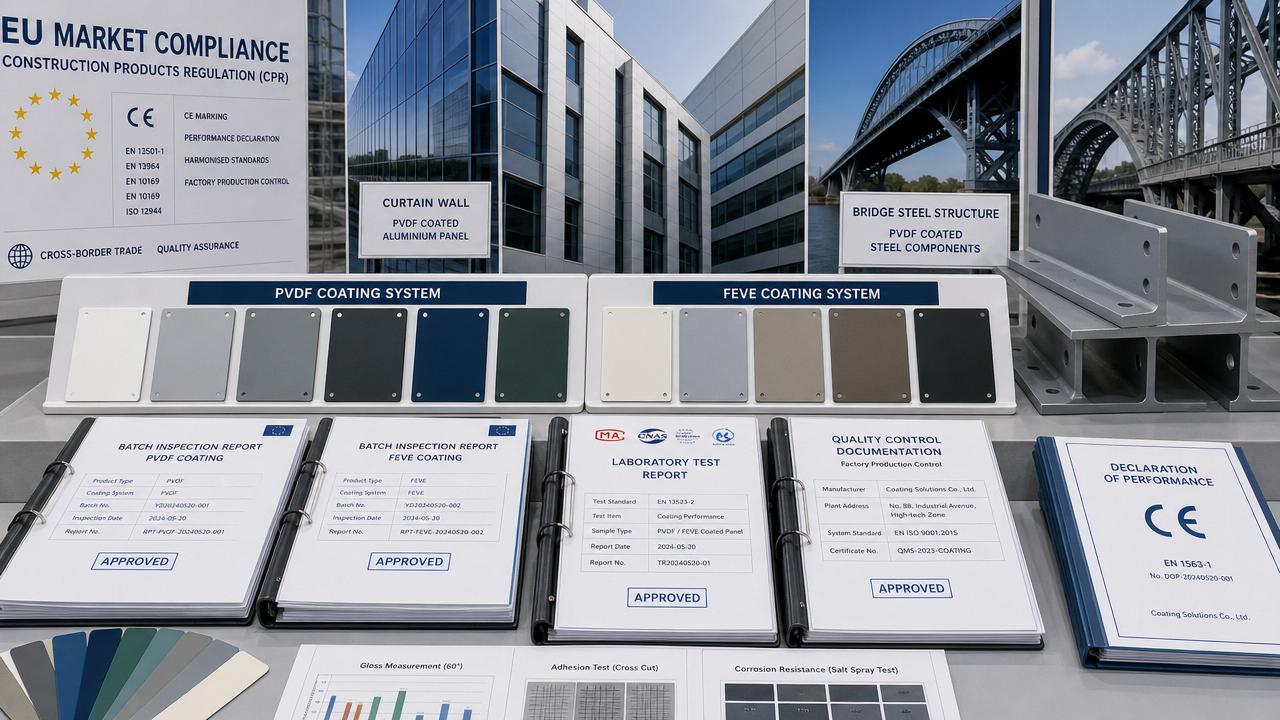
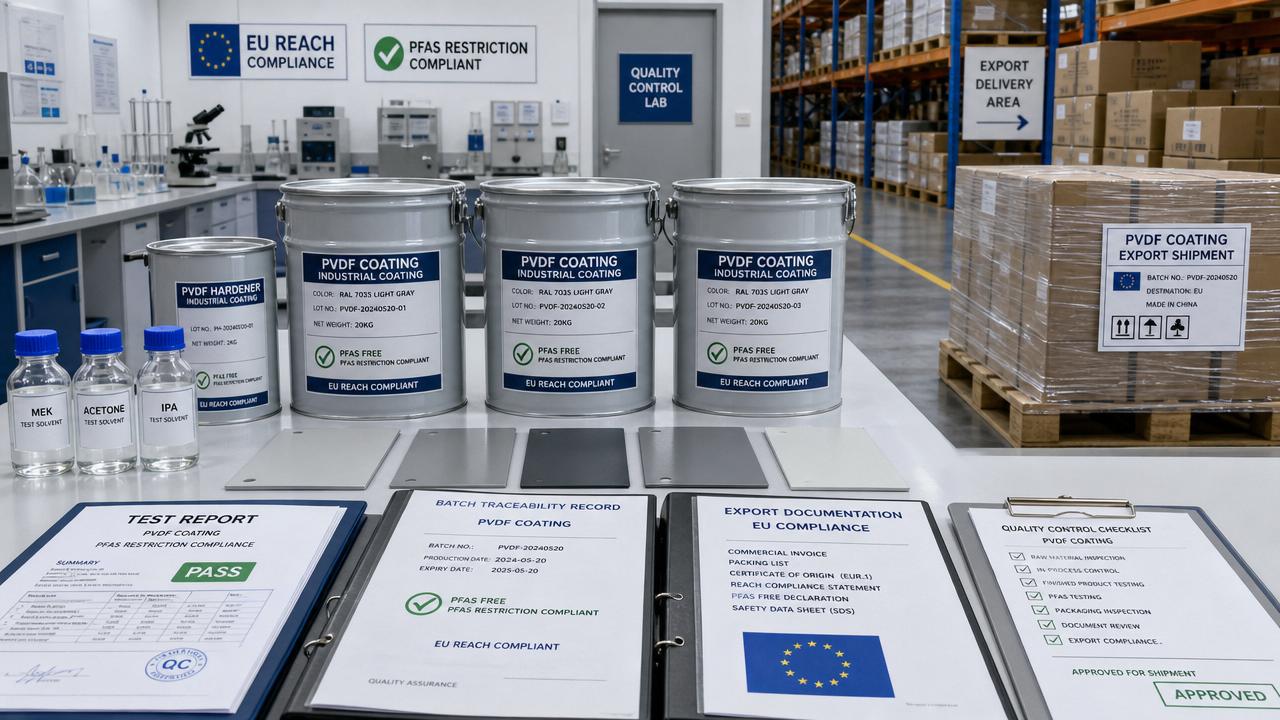
On June 18, 2026, the European Chemicals Agency (ECHA) opened a targeted REACH dossier review for PVDF fluorocarbon coating substances, with particular attention to whether suppliers of high-molecular-weight PVDF resins can provide added thermal degradation toxicity data under simulated incineration conditions. For companies involved in resin supply, coating manufacturing, certification, export delivery, and EU distribution, this matters because the review links technical data completeness to downstream compliance status, CE-related authorization processes, and customs clearance by EU distributors.

What the review formally requires
According to the provided event information, ECHA started the dossier update review on June 18, 2026 for PVDF fluorocarbon coating substances under REACH. The review focuses on requiring suppliers of high-molecular-weight PVDF resins to supplement thermal degradation toxicity test data under simulated incineration conditions, with OECD 410/432 referenced in the event summary. The indicators specifically mentioned include gaseous hydrogen fluoride and perfluoroisobutylene. The same event summary states that parties failing to complete the required supplementation on time may be marked as having “questionable compliance,” with consequences for CE mark authorization and customs clearance by EU distributors.
Where the pressure is likely to appear first
Upstream resin suppliers face a document-completeness test
From an industry perspective, suppliers of high-molecular-weight PVDF resin are the first group likely to feel the impact because the review is directed at dossier updates and additional toxicity data. The immediate pressure point is not only testing itself, but whether existing technical files, supporting reports, and compliance documents remain sufficient for customer review. What deserves closer attention is whether procurement and sales teams can still present complete dossier support when buyers or downstream users request updated REACH-related evidence.
Coating manufacturers may see changes in sourcing and release planning
Manufacturers using PVDF resin in fluorocarbon coatings may be affected through raw material qualification, formula continuity, and shipment readiness. If a key supplier is flagged as having questionable compliance, manufacturers may need to reassess whether current sourcing arrangements, technical submissions, or product release files still match customer and market-entry expectations. The operational impact is therefore likely to show up in supplier approval, document review, and delivery scheduling rather than in product demand alone.
Distributors and exporters must watch customs-facing compliance signals
For distributors and export-oriented businesses, the issue is closely tied to market access execution. The event summary explicitly connects incomplete supplementation with possible effects on EU distributor customs clearance, which means trade-facing actors may need to verify whether REACH dossier status, test references, and supporting declarations remain aligned before goods move. In practice, attention may shift toward document consistency across customs, customer submission, and product compliance files.
Certification and testing service providers may face more verification requests
Certification-related companies and testing service institutions may also be drawn in because the event centers on added data generation and review. Analysis shows that where compliance status becomes uncertain, downstream companies often need clearer interpretation of existing reports, additional testing arrangements, or refreshed technical packages for customer review. The key point is not that a new execution outcome has already formed, but that supporting service demand may increase around dossier adequacy and traceable evidence.
What companies should check now
Re-examine dossier support for high-molecular-weight PVDF
Companies handling the relevant resin grades should review whether current REACH-related files already address thermal degradation toxicity under the conditions identified in the event summary. Where documents are incomplete or outdated, the main risk is that later customer, distributor, or certification review may identify a gap before shipment or authorization milestones.
Track how compliance language appears in transaction documents
Observably, one practical area to monitor is whether contracts, technical datasheets, declarations, bid files, and customer compliance questionnaires begin to reflect this review more directly. If “questionable compliance” becomes a concern in commercial review, the wording used in supporting documents may matter for procurement approval, project qualification, and customs-facing submissions.
Prepare for possible effects on timing and supplier qualification
Analysis shows that even without additional confirmed enforcement details, companies should pay attention to delivery timing, alternative supplier readiness, and internal approval workflows. Where a supply chain depends heavily on one resin source, any delay in dossier supplementation could affect order scheduling, release coordination, or customer communication.
Continue watching official wording and downstream execution
The provided information does not include detailed implementation timelines or further official clarification beyond the review launch and the stated consequences. It is therefore more appropriate to understand this stage as one that requires close monitoring of future regulatory wording, certification practice, customs interpretation, and downstream buyer requirements rather than as a fully settled execution framework.
Why this looks like an execution signal, not just a routine update
Analysis shows that this development is notable because it moves the discussion from general polymer compliance toward a more specific data expectation tied to simulated incineration conditions and named toxic indicators. That does not by itself confirm broader market outcomes, but it does suggest a more operational form of scrutiny: dossier completeness may increasingly affect certification handling and border-facing distribution steps. It is more appropriate to understand this as an execution signal with direct compliance implications, while still recognizing that market response and enforcement practice need continued observation.
How the market is likely to read this stage
From an industry perspective, the current message is less about an immediate change in all commercial activity and more about the rising importance of evidence quality in PVDF-related compliance files. Companies should not overstate the outcome, but neither should they treat the review as a purely formal update. At this stage, it is more reasonable to read the event as a concrete compliance warning for affected dossier holders and a practical alert for downstream manufacturers, exporters, and distributors that documentation sufficiency may begin to influence authorization, customs handling, and delivery confidence.
Basis of this article and what still needs verification
This article is generated from the user-provided news title, event date, and event summary. For events of this type, relevant source categories typically include official regulatory notices, releases from supervisory authorities, customs or trade-administration information, industry association updates, standards-related documents, and reporting by authoritative trade media. A specific official source link was not provided in the input, so the exact original publication path still requires further verification. Observably, the points that still need continued checking include later official detail, certification execution wording, tender-document changes, downstream market feedback, and how affected companies actually implement the required dossier supplementation.
Related News
- Selecting Fluorocarbon Paint Systems for Facades Exposed to UV and Coastal SaltAuthor :Structural Durability Strategist

- ECHA Draft Targets PFAS in PVDF CoatingsAuthor :Structural Durability Strategist

- ECHA Moves PVDF Coatings Into PFAS Filing From Oct 2026Author :Structural Durability Strategist

- ECHA Adds 12 SVHCs, Raising Coating Export ChecksAuthor :Structural Durability Strategist

- EU REACH Adds SVHCs Used in Fluorocarbon CoatingsAuthor :Structural Durability Strategist

- ECHA Adds PFAS Limits for PVDF Coatings from October 2026Author :Structural Durability Strategist

- ECHA Adds 5 PFAS Coating Substances to SVHC ListAuthor :Structural Durability Strategist

- ECHA Adds SVHCs Used in Epoxy and PVDF CoatingsAuthor :Structural Durability Strategist

- How Buyers Can Prevent Color Coated Coil Quality Problems Before ShipmentAuthor :Structural Durability Strategist

- Color Coated Roll Market Trends: Why Buyers Are Looking Beyond Price Per TonAuthor :Structural Durability Strategist

- PVDF vs FEVE: Which Weather-Resistant Fluorocarbon Paint Performs Better Outdoors?Author :Structural Durability Strategist

- Fluorocarbon Coating Technology Manufacturer: What to Compare Beyond Resin Type and GlossAuthor :Structural Durability Strategist

- Fluorocarbon Coatings Color Retention: What Affects Fade Resistance in Outdoor Use?Author :Structural Durability Strategist

- PVDF Fluorocarbon Paints Price Explained: What Affects Material and Application Costs?Author :Structural Durability Strategist

- How to Compare PVDF Fluorocarbon Paint Systems for Steel Structures in Coastal ProjectsAuthor :Structural Durability Strategist

- C-F Bond Durability Coating Technology: How It Improves UV and Chemical ResistanceAuthor :Structural Durability Strategist

- EU REACH Update Adds Three SVHCs for PVDF/FEVE ExportsAuthor :Structural Durability Strategist

- How to Specify a PVDF Bridge Coating System for UV, Corrosion, and Color RetentionAuthor :Structural Durability Strategist

- EPA PFAS Proposal Targets Fluoropolymer Coating ImportsAuthor :Structural Durability Strategist

- EPA Proposal Targets PFAS Data for PVDF/FEVE ImportsAuthor :Structural Durability Strategist

- ECHA Reviews PVDF Coating Dossiers Under REACHAuthor :Structural Durability Strategist

- PVDF Fluorocarbon Paints vs FEVE Coatings: How to Choose for Facades and Metal PanelsAuthor :Structural Durability Strategist

- ECHA Reviews PVDF REACH DossiersAuthor :Structural Durability Strategist

- ECHA Reviews PVDF REACH Dossiers Over Thermal Toxicity DataAuthor :Structural Durability Strategist

- Steel Structure Fluorocarbon Coating vs Epoxy Systems: Which Performs Better Outdoors?Author :Structural Durability Strategist

- ECHA PFAS Screening Tightens EU Entry for PVDF PaintsAuthor :Structural Durability Strategist

- ECHA PFAS Screening Puts PVDF Coatings Under Import ScrutinyAuthor :Structural Durability Strategist

- ECHA Starts PFAS Compliance Checks for Fluorocarbon CoatingsAuthor :Structural Durability Strategist

- ECHA Begins PFAS Compliance Checks on Fluorocarbon CoatingsAuthor :Structural Durability Strategist

- PVDF vs FEVE: What Drives Fluorocarbon Coating Technology Price in Exterior Projects?Author :Structural Durability Strategist

- ECHA Starts PFAS REACH Checks on Fluorocarbon CoatingsAuthor :Structural Durability Strategist

- EU Adds PFAS Limits for PVDF Coatings Under REACHAuthor :Structural Durability Strategist

- PVDF or FEVE: Better Fluorocarbon Coatings?Author :Structural Durability Strategist