



How to Choose Abrasion Resistant Coatings for Steel in High-Wear Industrial Service




Choosing abrasion resistant coatings for steel in high-wear industrial service is rarely a matter of picking the hardest film on a datasheet. Wear happens through impact, sliding friction, particle erosion, and contamination, often at the same time. A coating that performs well in one mode can fail quickly in another. For that reason, abrasion resistant coatings for steel should be judged as part of the whole operating environment, including surface preparation, corrosion risk, shutdown limits, repair strategy, and lifecycle cost.
Why wear protection for steel has become a sharper specification issue
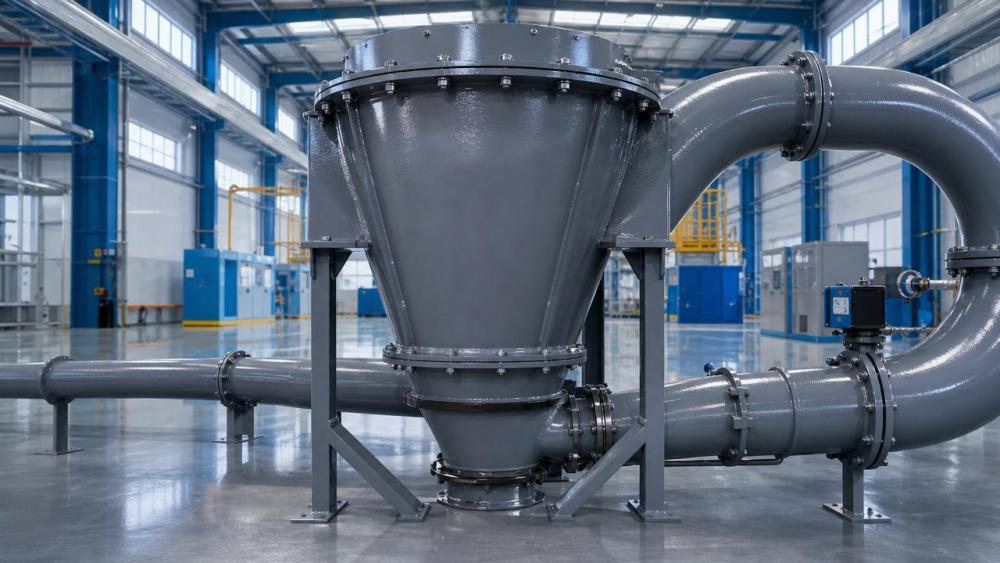
In many sectors, steel assets now run longer between overhauls and face harsher duty cycles. Chutes, hoppers, slurry lines, marine handling equipment, conveyors, mixers, and structural contact zones all see repeated material loss.
The cost of wear is not limited to steel thinning. Once the coating breaks, corrosion can accelerate under wet, chemical, or salt-laden conditions. That is why wear-resistant specification increasingly overlaps with anti-corrosion planning.
This wider view matches the way SPCS frames protective coatings. Performance is shaped by polymer chemistry, adhesion, film build, environmental exposure, compliance requirements, and maintenance economics, not by a single test result.
What abrasion resistant coatings for steel actually need to do
At a practical level, abrasion resistant coatings for steel form a barrier that reduces surface loss while keeping the substrate protected from secondary damage. The right system must resist wear without becoming too brittle, too difficult to apply, or too expensive to repair.
Some systems depend on tough epoxy matrices. Others use ceramic-filled compounds, polyurethane technologies, or multi-layer structures that combine corrosion control with a sacrificial wear layer.
Hardness matters, but it is only one part of the picture. Elastic recovery, cohesive strength, bond strength, cure profile, and thickness tolerance often decide whether a coating survives real service.
The wear mode should lead the selection
A lining exposed to mineral slurry does not fail in the same way as a steel duct hit by dry particles. Likewise, a bucket edge sees different stress from a pump casing or a deck contact area.
When the wear mechanism is unclear, coating choices become guesswork. The first useful question is not which brand is strongest, but what kind of motion and impact the surface actually sees.
Key factors that separate a workable coating from a costly mismatch
A strong evaluation usually starts with the steel surface itself. New fabricated steel, pitted maintenance steel, and previously coated surfaces do not offer the same anchor profile or contamination risk.
Surface preparation remains critical. Even high-grade abrasion resistant coatings for steel can fail early if soluble salts, oil, moisture, or weak existing layers remain below the film.
Film build and geometry matter more than many assume
High-wear areas often require thicker films, but thickness alone is not a guarantee. Sharp edges, weld seams, corners, and transition zones create thin spots and local stress concentrations.
In practice, steel geometry should be reviewed together with the coating system. Stripe coating, radius improvement, or local reinforcement can be more valuable than simply specifying more dry film thickness.
Temperature, cure window, and downtime constraints
Some wear-resistant systems perform best in shop-controlled conditions. Others are designed for field maintenance, fast return to service, or lower temperature application.
This becomes important in ports, offshore handling areas, processing plants, and infrastructure assets where shutdowns are short. A technically superior coating can still be the wrong choice if cure time disrupts operations.
How industry trends are influencing specification decisions
The market is moving beyond simple wear claims. Decision quality now depends on test interpretation, environmental compliance, and the ability to compare systems across multiple failure risks.
SPCS has highlighted this broader shift across protective coating sectors. Anti-corrosion performance, VOC considerations, surface treatment compatibility, and long-term maintenance logic increasingly sit inside the same evaluation process.
That matters because many high-wear steel assets also operate in corrosive atmospheres, splash zones, washdown conditions, or chemically aggressive plants. Selection teams therefore need coatings that protect against wear and still fit wider compliance and durability goals.
- Abrasion data should be checked against the actual wear mechanism, not treated as universal proof.
- Corrosion primer compatibility should be reviewed where steel loss can expose the substrate.
- Low-VOC or eco-compliant options may be necessary for export, site regulation, or enclosed application areas.
- Inspection and repair methods should be defined before service begins.
Typical service environments where coating choices diverge
Abrasion resistant coatings for steel are used across very different exposure profiles. Similar wording on a datasheet can hide major differences in suitability.
Bulk handling and mineral processing
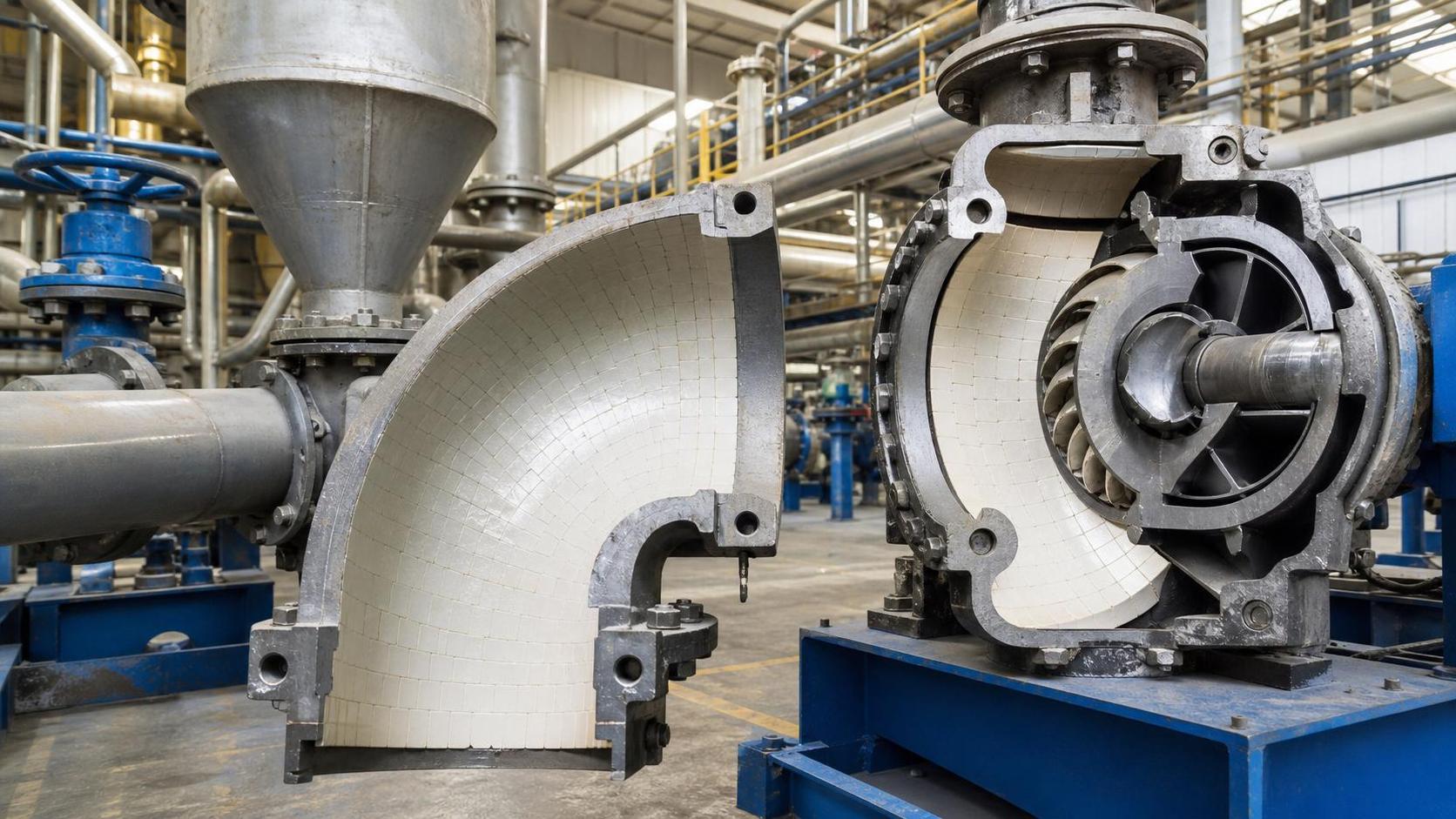
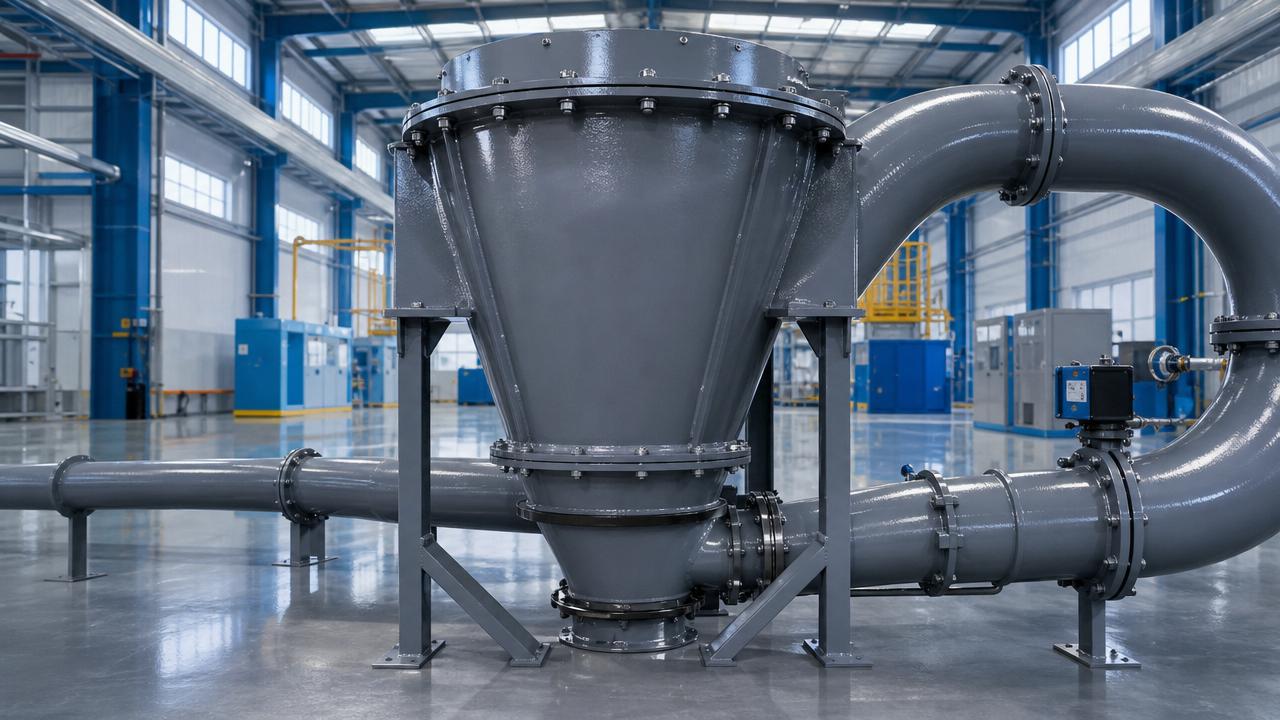
Transfer points, cyclone components, chutes, and hoppers often need thick, heavily reinforced systems. Impact severity and particle shape usually decide whether a hard ceramic-filled material is appropriate.
Marine and offshore steel equipment
Deck machinery, loading zones, pipe supports, and splash-affected structures combine wear with salt exposure. Here, abrasion resistant coatings for steel should not be separated from corrosion control strategy.
Pipelines, pumps, and slurry circuits
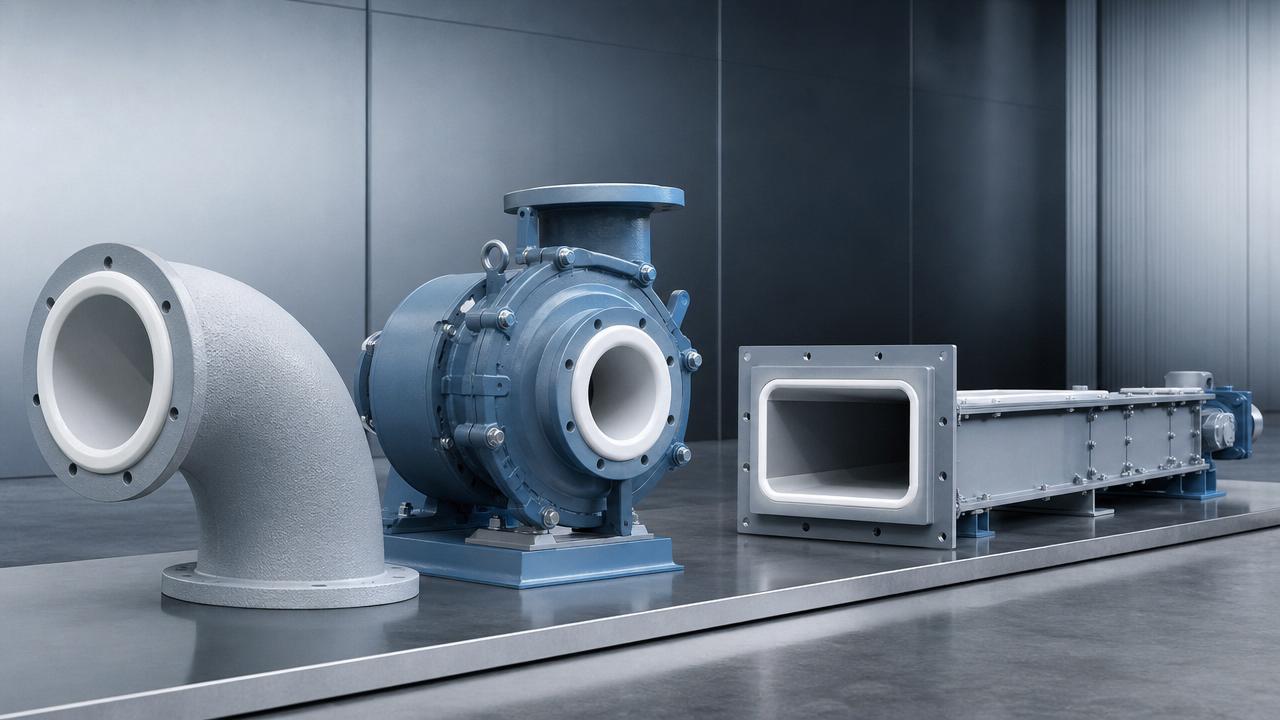
Internal surfaces may face both erosion and chemical attack. Film smoothness, hydraulic efficiency, and resistance to undercutting become important alongside pure abrasion performance.
Industrial maintenance and infrastructure steel
Older steel often brings mixed substrates, residual corrosion, and limited blasting access. In these cases, practical application tolerance may carry as much value as peak laboratory wear resistance.
A practical framework for comparing options
A useful comparison method combines technical fit with execution reality. That means looking beyond brochure language and aligning the coating with service evidence.
This approach helps avoid common mistakes. One is overspecifying an expensive system for moderate wear. Another is choosing a hard but brittle film for impact-heavy steel zones.
What to watch during trial selection and qualification
Shortlisting abrasion resistant coatings for steel should include field-relevant validation. Laboratory data remains useful, but trial patches, repair simulations, and applicator feedback often reveal practical limits early.
It is also worth checking how the coating behaves at interfaces. Failures often begin at welds, edges, bolt areas, and zones where abrasion and corrosion interact.
- Ask whether the test method reflects dry abrasion, slurry erosion, or impact wear.
- Check if the recommended surface profile is realistic for the site.
- Review recoat and spot-repair procedures before approval.
- Compare expected maintenance intervals, not only initial material price.
Where the next decision should focus
The best abrasion resistant coatings for steel are usually the ones matched to a specific wear mechanism, steel condition, and maintenance strategy. They protect more than the surface. They support uptime, control corrosion exposure, and make service planning more predictable.
A sound next step is to map each high-wear zone by damage mode, substrate condition, exposure chemistry, and allowable downtime. From there, coating systems can be compared on a more realistic basis.
For deeper evaluation, SPCS provides a useful framework for connecting wear resistance with corrosion science, application constraints, compliance, and lifecycle economics. That broader perspective often leads to better specifications than hardness data alone.
Related News
- Wear Resistant Ceramic Coatings: Where They Work Best and When They Fail EarlyAuthor :Thermal Shielding Expert

- Nano Coating Technology Explained: How It Works, Where It Fits, and Key LimitsAuthor :Thermal Shielding Expert

- How to Choose Abrasion Resistant Coatings for Steel in High-Wear Industrial ServiceAuthor :Thermal Shielding Expert

- Ceramic Coatings vs Epoxy for Abrasion ControlAuthor :Thermal Shielding Expert