



Thermal Barrier Coatings for 1200℃ Duty




For operators working around furnaces, exhaust systems, and process equipment, thermal barrier coatings are a practical line of defense when 1200℃ duty pushes metal to its limits. By reducing heat transfer, resisting thermal shock, and extending component life, these coatings help improve uptime, safety, and maintenance control in harsh industrial environments.
In real production settings, the issue is rarely heat alone. Operators also face scale formation, hot gas erosion, shutdown pressure, and maintenance windows that may last only 8 to 24 hours. That is why thermal barrier coatings are evaluated not just by maximum temperature, but by adhesion, cycling stability, application method, and compatibility with the underlying alloy or steel.
For industrial users, the key question is simple: which coating system can survive repeated 900℃ to 1200℃ service without creating new maintenance risks? The answer depends on duty cycle, surface preparation, coating chemistry, thickness control, and inspection discipline.
Why 1200℃ Duty Changes the Selection Rules
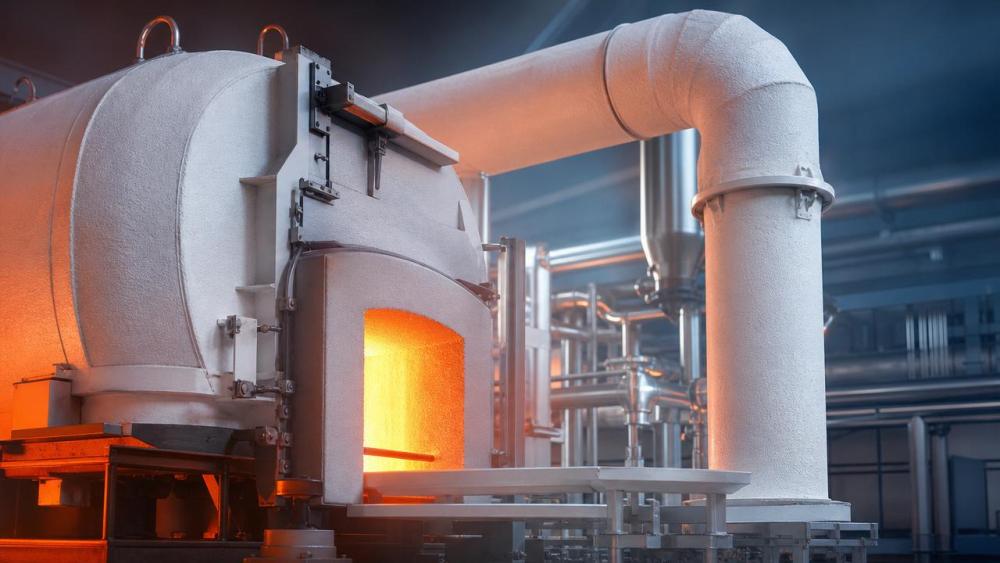
At 1200℃ duty, conventional organic paints fail rapidly. Many standard industrial coatings begin to degrade far below 600℃, while binders can oxidize, chalk, crack, or vaporize under sustained heat. Thermal barrier coatings are designed for a different operating envelope, often relying on ceramic-rich or inorganic systems that maintain structure when ordinary films cannot.
For operators, this matters because metal temperature drives deformation, oxidation rate, and maintenance frequency. A reduction of even 30℃ to 80℃ at the substrate surface can influence creep resistance, reduce thermal fatigue, and improve service intervals on ducts, burner parts, furnace externals, and exhaust housings.
What Thermal Barrier Coatings Actually Do
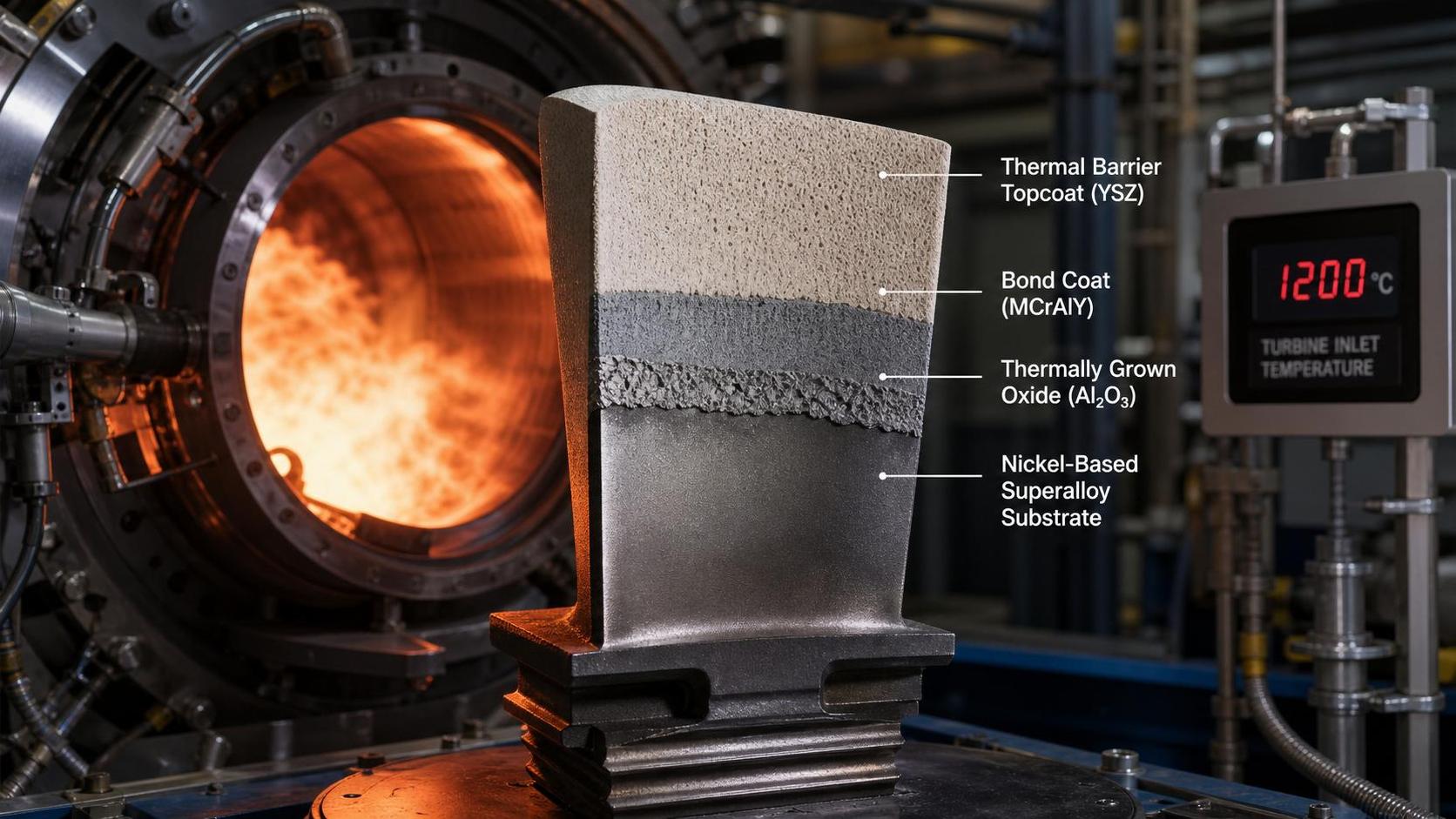
Thermal barrier coatings do not “cool” equipment in the same way an active water jacket or forced-air system does. Instead, they slow heat transfer, reflect part of radiant heat, and create a low-conductivity layer between the hot environment and the metal substrate. In many industrial applications, coating thickness ranges from 100 to 500 microns, depending on chemistry and design limits.
In 1200℃ service, operators also need resistance to thermal shock. Equipment may cycle from ambient temperature to several hundred degrees in less than 1 hour, then cool again during short stoppages. A suitable coating must tolerate expansion mismatch and repeated cycling without widespread spallation.
Common High-Heat Failure Modes
- Cracking caused by rapid heat-up and cool-down cycles
- Loss of adhesion due to poor blast profile or contamination
- Oxidation under the coating when pores allow oxygen ingress
- Erosion from ash, dust, or high-velocity exhaust flow
- Premature failure where coating thickness varies beyond the target range
These failure modes explain why a coating that performs well at 700℃ in static conditions may fail at 1000℃ to 1200℃ in a cycling, particle-laden process stream. Selection has to be service-specific, not brochure-specific.
Typical Duty Factors Operators Should Record
Before choosing thermal barrier coatings, record at least 6 factors: peak temperature, continuous operating temperature, heating rate, cooling rate, shutdown frequency, and exposure media. If chlorides, sulfur compounds, condensates, or abrasive fines are present, the coating system may need additional corrosion or erosion resistance beyond thermal insulation alone.
Key Coating Types for Furnaces, Exhaust Systems, and Process Equipment
Not all thermal barrier coatings are built on the same chemistry. For operators and maintenance teams, understanding the broad categories helps narrow the shortlist faster and avoid mismatched specifications. The table below compares common system types used around high-temperature industrial assets.
The practical takeaway is that 1200℃ duty usually moves buyers toward inorganic or ceramic-rich systems. In operations with aggressive cycling or direct flame proximity, premium systems may cost more upfront but lower recoating frequency over 12 to 36 months of service.
Where Operators See the Most Value
In industrial environments, thermal barrier coatings are often selected for four reasons: lower external skin temperature, reduced energy loss, slower metal oxidation, and longer intervals between shutdowns. Even when the coating is only a few hundred microns thick, it can support safer touch temperatures on adjacent surfaces and reduce insulation system stress.
- Furnace and kiln outer surfaces exposed to repeated heat soak
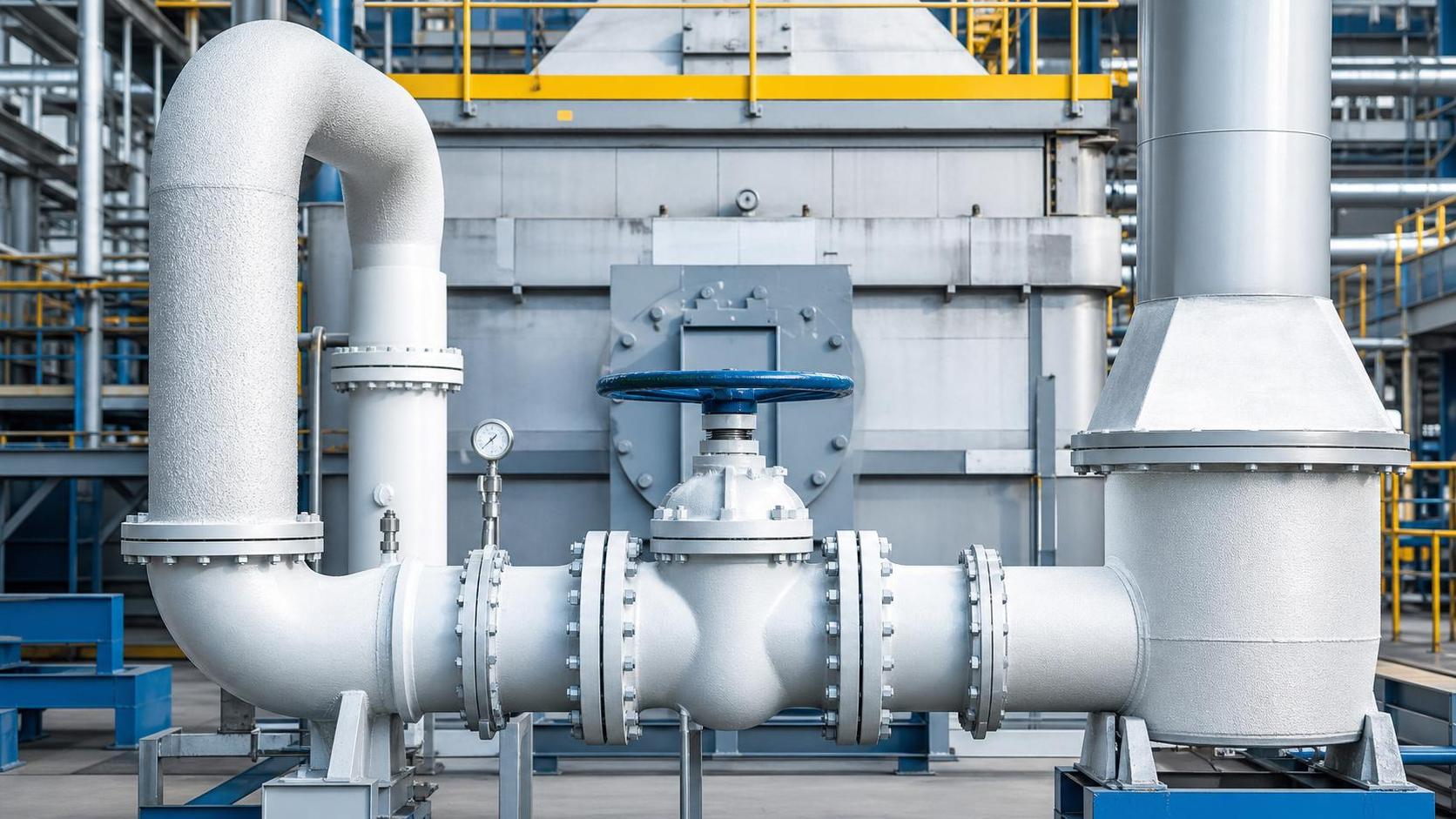
- Exhaust manifolds, ducts, and stack components facing hot gas flow
- Process vessels with localized hot spots above 900℃
- Protective metal parts where heat shielding helps preserve dimensional stability
Limits Operators Should Understand
A thermal barrier coating is not a universal substitute for refractory lining, alloy upgrade, or mechanical redesign. If the substrate is already underdesigned for 1200℃ duty, no thin coating will reverse structural weakness. Coatings work best as part of a layered protection strategy that includes correct material selection, anchoring design, and inspection planning.
How to Choose Thermal Barrier Coatings for 1200℃ Service
Selection should start with operating reality, not supplier claims. The same coating may perform differently on carbon steel, stainless steel, cast components, or mixed-metal assemblies. Operators and buyers should compare systems using a short list of measurable factors rather than general descriptions like “high performance” or “durable.”
Five Core Selection Criteria
- Continuous temperature rating versus peak excursion rating
- Thermal cycling tolerance over 100, 300, or 500 cycles
- Surface preparation requirement such as Sa 2.5 or equivalent abrasive cleaning
- Dry film thickness target, often 150 to 400 microns for industrial barrier layers
- Downtime fit, including cure schedule and return-to-service timing
For maintenance teams, cure profile matters almost as much as heat resistance. Some systems require staged heat-up, while others need controlled ambient drying before equipment restart. If a plant can only spare a 12-hour stop, application planning becomes a critical procurement factor.
Decision Matrix for Buyers and Operators
The following matrix helps compare thermal barrier coatings from a practical operating perspective rather than a purely laboratory one.
This comparison shows why selection should involve operations, maintenance, and procurement together. A cheaper system that fails after 6 months can cost more than a higher-grade solution that lasts 18 to 24 months under the same thermal cycling load.
Questions to Ask Before Purchase
Ask whether the stated 1200℃ capability refers to peak exposure or continuous service. Request guidance on minimum and maximum dry film thickness, acceptable substrate preparation, and whether field repair is possible without complete removal. Also confirm if the system has been positioned for exhaust gas service, furnace exteriors, or direct process-contact zones, because those are not interchangeable environments.
Application, Inspection, and Maintenance in Real Operations
The performance of thermal barrier coatings depends heavily on application quality. In many plant failures, the root cause is not coating chemistry but poor preparation, incorrect thickness, or rushed curing before restart. For operators, a disciplined installation process usually delivers more value than chasing extreme specification numbers alone.
A Practical 5-Step Implementation Flow
- Inspect the substrate for scale, corrosion, oil, salts, and old coating residue
- Prepare the surface to the specified blast cleanliness and anchor profile
- Apply the coating within the recommended ambient and substrate temperature window
- Verify dry film thickness at multiple points, often every critical section or weld area
- Follow the full cure or staged heat ramp before returning to full operating temperature
In field conditions, thickness control is especially important. If a system is designed for 250 microns but large areas fall below 150 microns, heat shielding can become uneven. If it exceeds the upper limit too much, internal stress may rise and cracking risk can increase during cycling.
Inspection Points That Prevent Early Failure
- Check weld seams, corners, and flange zones for thin spots
- Measure dry film thickness in at least 3 to 5 positions per critical section
- Confirm cure time before heat exposure, especially in humid conditions
- Look for pinholes, mud cracking, blistering, or contamination before startup
For facilities handling marine-adjacent or chemically aggressive atmospheres, inspection should also include underfilm corrosion risk. SPCS often emphasizes this broader systems view because high heat and corrosion frequently overlap in ports, offshore support assets, and industrial coastal infrastructure.
Maintenance Planning for Operators
A useful maintenance plan separates touch-up areas from full recoating triggers. Minor local damage can sometimes be repaired during a short stop of 4 to 8 hours, while widespread delamination may require a larger outage. Operators should document hot spots, thermal cycling frequency, and visual changes at each planned shutdown so coating degradation can be tracked before failure becomes structural.
Common Mistakes, Risk Control, and When to Seek Technical Support
One of the most common mistakes is selecting a product based only on its advertised maximum temperature. A coating rated to 1200℃ in a laboratory may not survive 1200℃ plus vibration, dust erosion, condensate, and weekly thermal cycling. Real service conditions must define the coating specification.
Frequent Misunderstandings
- Assuming all ceramic coatings provide the same insulation effect
- Ignoring surface contamination because the equipment “looks clean”
- Applying over incompatible old layers to save shutdown time
- Skipping controlled heat ramp after application
- Expecting a thin coating to replace refractory or mechanical insulation entirely
These errors usually show up within the first 1 to 3 operating cycles or within the first few months of service. When failure appears that early, root-cause analysis should look at preparation, application conditions, and duty mismatch before blaming the coating alone.
Where Specialist Guidance Adds Value
Technical support becomes more important when operators face mixed exposure conditions such as heat plus salt spray, heat plus sulfur-bearing exhaust, or heat plus abrasion. In those environments, coating design often overlaps with anti-corrosion strategy, substrate metallurgy, and life-cycle cost planning. That is where an intelligence-driven platform like SPCS becomes useful, especially for users comparing aerospace-inspired ceramic barrier concepts with heavy-industry practicality.
SPCS tracks the broader coating ecosystem, from high-temp ceramic paints to infrastructure fluorocarbons and waterborne industrial technologies. For operators, this matters because coating choices are increasingly shaped by both performance and compliance, including VOC restrictions, maintenance access limits, and long-term OPEX control.
For 1200℃ duty, thermal barrier coatings should be chosen as engineered protection systems, not as generic paint. The best results come from matching chemistry to operating temperature, cycling profile, substrate condition, and shutdown reality. When that alignment is correct, operators gain longer component life, safer external temperatures, and more predictable maintenance intervals.
If you are evaluating thermal barrier coatings for furnaces, exhaust systems, or process equipment, SPCS can help you compare practical options, identify risk points, and narrow the specification to fit real service conditions. Contact us now to discuss your duty profile, get a tailored recommendation, or explore more high-temperature coating solutions.
Related News
- University of Nottingham AI Robotics Lab Accelerates Advanced Heat-Resistant Coating R&DAuthor :Aerospace Polymer Scientist

- How Thermal Barrier Coating Technology Improves Oxidation Resistance at 1000°C+Author :Aerospace Polymer Scientist

- Thermal Barrier Coatings for Oxidation Protection: How They Work at 1200°CAuthor :Aerospace Polymer Scientist

- High-Temperature Coating Applications for Heat Insulation: Where They Work and Key LimitsAuthor :Aerospace Polymer Scientist

- Thermal Barrier Coatings for Diesel Engines: When They Improve Heat Management and Component LifeAuthor :Aerospace Polymer Scientist

- Do Heat Reflective Coatings for Roofs Help on Metal Buildings? Limits, Prep, and PaybackAuthor :Aerospace Polymer Scientist

- Heat Reflective Coatings for Roofs: Which Roof Types and Climates Benefit Most?Author :Aerospace Polymer Scientist

- How to Evaluate Thermal Barrier Coatings in South Korea for Turbines and High-Heat PartsAuthor :Aerospace Polymer Scientist

- Thermal Barrier Coatings for 1200℃ DutyAuthor :Aerospace Polymer Scientist